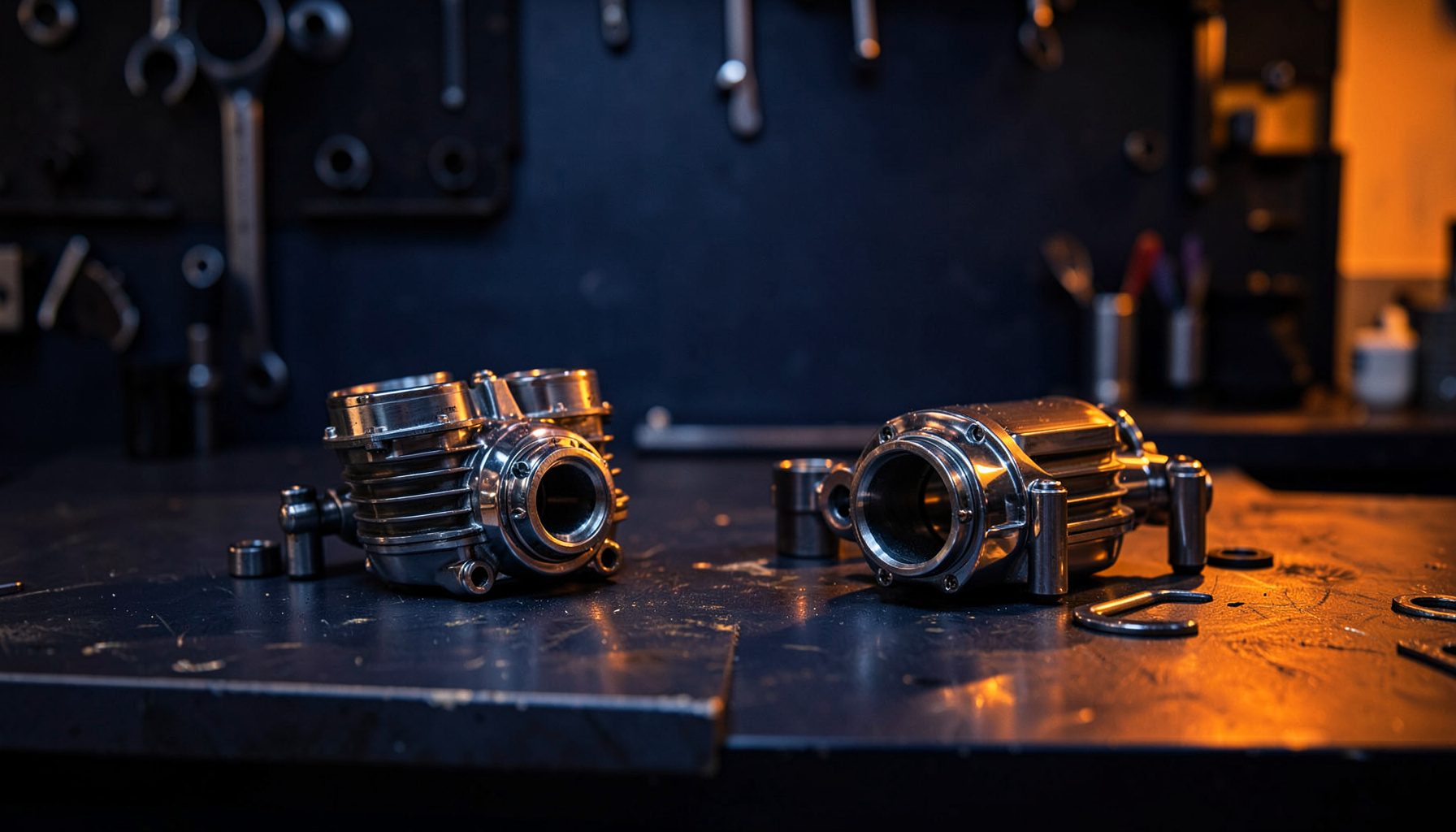
Choosing the Best Motorcycle Battery Charger and Maintainer
A reliable battery charger can be the difference between a bike that fires up instantly and one that leaves you stranded in the driveway. Whether you ride a commuter, a weekend adventure bike or a classic machine, the right charger protects the battery during storage and restores useful charge without overloading it.
Australian riding conditions make battery care particularly important. Summer heat around Perth, Brisbane and Darwin can accelerate battery deterioration, while long distances between towns in regional Queensland or New South Wales make dependable starting power especially valuable. A suitable motorcycle battery maintainer is a small investment compared with the cost and inconvenience of replacing a battery prematurely.
Understand Your Motorcycle Battery
Start by identifying the battery type fitted to your motorcycle. Conventional flooded lead-acid batteries, AGM batteries and gel batteries are all lead-acid designs, but their charging requirements can vary. Lithium iron phosphate batteries require a charger designed specifically for lithium chemistry, so a standard lead-acid setting should never be used as a substitute.
Check the label on the battery or consult the motorcycle handbook for voltage, capacity and recommended charging current. Most motorcycles use a 12-volt system, but that does not mean every 12-volt charger is suitable. A high-output automotive charger may deliver current too aggressively for a small motorcycle battery.
Battery condition also affects charger choice. If the battery is deeply discharged, sulphated or physically damaged, a maintenance charger may not be able to recover it. Swelling, cracking, leaking fluid or a persistent burning smell are warning signs that the battery should be replaced rather than repeatedly charged.
Choose Between Charger Types
A basic trickle charger supplies a low, steady current and can be useful for short periods. However, older designs may continue charging after the battery is full, which can cause overheating, electrolyte loss or internal damage. They are best used only when the manufacturer confirms that continuous connection is safe.
An automatic smart charger is generally the most versatile option for modern riders. It monitors voltage, adjusts the charging stage and switches to float or maintenance mode once the battery reaches capacity. Many models perform a recovery or desulphation phase before normal charging, although this feature cannot repair every failed battery.
For a motorcycle stored over winter or left unused between rides, a battery tender with automatic shut-off and long-term float control is usually the practical choice. Riders in Tasmania or the cooler parts of Victoria may leave a bike parked for months, while owners in hot northern areas should focus on heat-resistant equipment and regular battery checks rather than assuming the maintainer can compensate for severe temperature exposure.
Match The Charger To Your Riding Setup
Look for a charger with the correct battery chemistry mode, suitable amperage and clear status indicators. For a small motorcycle battery, a lower charging rate is usually safer than a powerful unit intended for cars, caravans or marine batteries. A selectable motorcycle mode can help prevent excessive current during the initial charging stage.
Connection options matter when the bike is kept in a garage, apartment car park or under a weather cover. Ring-terminal leads can remain attached to the battery, allowing quick connection without removing the seat. Crocodile clips are convenient for occasional charging, while a fused permanent lead adds protection against accidental short circuits.
Australian riders should also consider mains compatibility and location. Choose a charger rated for Australia’s 230–240-volt supply, and keep the unit protected from rain, dust and direct sun. If the motorcycle is used for touring across the Outback, pack a compact charger only when you have access to mains power; a portable jump starter or spare charging plan may be more useful in remote areas.
Practical Features Worth Paying For
Good safety features reduce the chance of turning a routine battery top-up into an electrical problem. Reverse-polarity protection, short-circuit protection, over-temperature control and automatic shut-off are valuable additions. A charger with a weather-resistant casing is helpful, but “water-resistant” does not mean it can be left exposed during a storm.
When planning maintenance work, it is sensible to source the charger alongside compatible electrical spares, terminals and replacement components. Pattern Parts carries a broad range of motorcycle parts, including April motorcycle parts, which can be useful when servicing a bike before storage or preparing it for the next touring season. Always confirm fitment by exact make, model and year rather than relying on appearance alone.
Features To Prioritise
- Automatic charging and float maintenance
- Separate modes for AGM, gel, lithium or flooded batteries
- Reverse-polarity and short-circuit protection
- Permanent lead with an inline fuse
Details To Check Before Buying
- Charging current for your battery’s amp-hour rating
- Australian mains compatibility
- Cable length and connector style
- Warranty, instructions and replacement leads
Use The Charger Safely
Before connecting the unit, switch off the motorcycle and place it in a well-ventilated area. Inspect the battery, terminals and cables, then connect positive and negative leads in the order specified by the charger instructions. If the battery is fitted inside a sealed compartment, ventilation is still important because some lead-acid batteries can release gas while charging.
Do not charge a frozen, swollen or leaking battery. Avoid placing the charger directly on the engine, exhaust or a damp concrete floor, and keep sparks, cigarettes and open flames away from the work area. If you remove the battery from the motorcycle, use the correct procedure for immobilisers, alarms and electronic accessories so settings are not unnecessarily lost.
Online product information also needs careful interpretation. Technical claims about a charger should be checked against the manufacturer’s manual, while unrelated health material—such as this discussion of sleep quality effects—belongs to a separate evidence and safety context. Reliable purchasing decisions come from matching verified specifications to the battery in front of you.
Build A Battery Maintenance Routine
A charger works best as part of a wider routine. Check terminal tightness, clean corrosion with an appropriate battery-safe method and inspect the battery after long rides or extended storage. If the motorcycle has parasitic drain from an alarm, tracker or USB accessory, measure the drain or disconnect the accessory according to the manufacturer’s guidance.
For a bike that is ridden weekly, the charging system may keep the battery healthy without a maintainer. Still, short trips can leave the battery undercharged because starting consumes significant power and the alternator may not have enough time to replace it. A smart charger used overnight at sensible intervals can help, especially on commuter bikes that spend more time idling in traffic than travelling at open-road speed.
Watch for repeated warning signs: slow cranking, dim lights before starting, a charger that never reaches maintenance mode or a battery that loses charge within days. These symptoms may indicate a failing battery, loose connection, faulty regulator-rectifier or excessive accessory drain. When that happens, test the motorcycle’s charging voltage rather than simply buying a higher-powered charger.
Choose a smart charger that matches your battery chemistry, capacity and storage pattern, then install it in a clean, ventilated and protected location. With the correct maintainer and a regular inspection routine, your motorcycle will be ready for the next ride from the suburbs to the coast, the high country or the long road between regional towns.