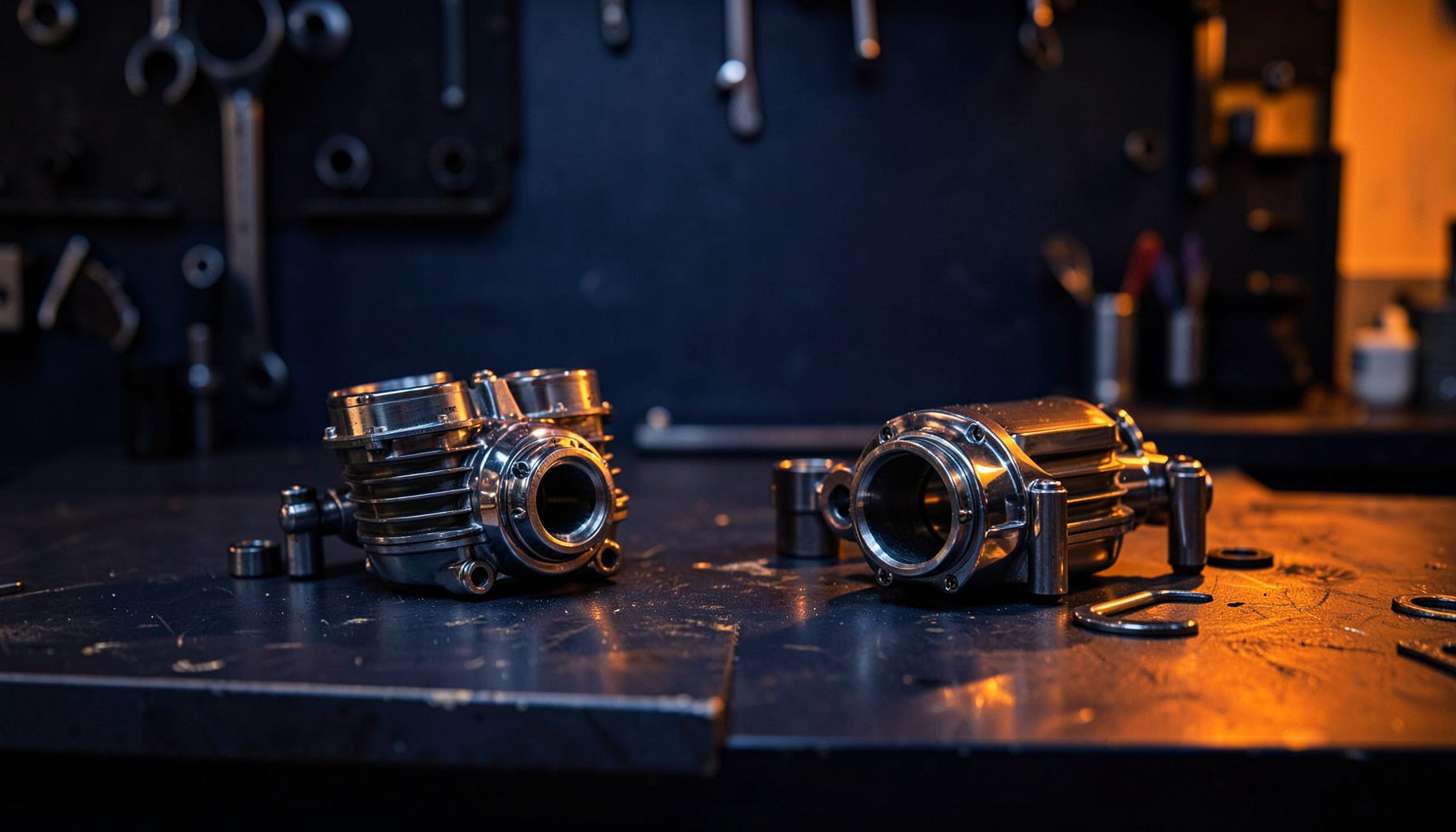
How to Check Motorcycle Compression Without a Gauge
A compression test measures how effectively an engine seals the air-fuel mixture inside its cylinders. The usual method uses a compression gauge, but a rider can still carry out several useful checks with basic workshop tools. These checks will not provide an exact pressure reading, yet they can reveal a seriously weak cylinder or an engine that needs closer inspection.
A motorcycle with poor compression may be difficult to start, lose power, misfire, use more fuel or produce unusual exhaust smoke. The cause could be worn piston rings, a damaged valve, incorrect valve clearance, a blown head gasket or cam timing that has shifted.
This guide is useful for roadside diagnosis, a pre-purchase inspection or basic maintenance at home. It applies to many petrol motorcycles, from learner-approved bikes in Sydney and Melbourne to larger touring machines used across regional Australia.
Why Engine Compression Matters
During the compression stroke, the piston squeezes the mixture before ignition. The valves must close properly, the head gasket must seal, and the piston and rings must prevent excessive leakage past the cylinder wall. If any of these parts fail, the engine may struggle to build pressure.
A compression problem often affects starting first. An electric-start motorcycle may crank faster than usual because a cylinder is not resisting the piston movement. A kick-start bike may feel unusually easy to push through its stroke, although automatic decompression systems can create a similar sensation.
Many modern single-cylinder motorcycles use an automatic decompressor on the camshaft. This deliberately releases some pressure during cranking, so a light kick-start feel is not proof of engine damage. Compare the sound and resistance with the manufacturer’s normal behaviour rather than relying on feel alone.
Prepare The Motorcycle Safely
Work on a cold or slightly warm engine in a well-ventilated area. Put the bike in neutral, support it securely and keep the rear wheel away from loose clothing or tools. Remove the key before beginning, then disconnect the ignition or fuel supply as appropriate for the motorcycle.
Remove the spark plug cap and spark plug so the engine can turn freely. Keep dirt from falling into the plug hole. On fuel-injected motorcycles, unplugging the injector or fuel pump may prevent unwanted fuel delivery. Carburetted models may need the fuel tap turned off, especially if the engine could be cranked for several seconds.
Wear eye protection and avoid touching the plug lead while the starter is operating. Do not perform the test beside fuel vapour, a hot exhaust or an open flame. If the motorcycle is fitted with an alarm or immobiliser, check the owner’s manual before disconnecting electrical components.
Perform A Basic Compression Check
The simplest method is a thumb or finger test. With the spark plug removed, place a clean finger firmly over the plug hole without allowing it to enter the cylinder. Briefly operate the electric starter, or turn the engine through several kick-start cycles. A healthy cylinder should push strongly against your finger and lift it away from the hole.
This test is only a rough screening method. It can show that compression is extremely low, but it cannot measure pressure or distinguish between a marginal cylinder and a healthy one. Never hold your finger over the hole while using a high-powered starter for an extended period, and keep clear of the spark plug lead.
Listen to the cranking rhythm as well. Regular pulses usually indicate that each compression event is similar. A repeating fast spot, a soft hiss or a cylinder that produces little resistance may point to a valve, piston, ring or timing issue. On a multi-cylinder bike, test each cylinder in the same way and compare the results.
If you have access to a spare spark plug, reconnect it to the plug cap and ground its metal body against the engine while cranking only when the ignition system cannot create a fuel or fire hazard. This is primarily a spark check, not a compression measurement, and it should be done according to the motorcycle manufacturer’s procedure.
| Observation | Possible meaning | Useful follow-up |
|---|---|---|
| Strong, even pulses | Compression is probably present | Check fuel, spark and timing if the engine will not start |
| Very weak or absent pulse | Severe compression loss may exist | Inspect valve operation and arrange a measured test |
| One cylinder feels weaker | Uneven sealing or valve timing | Compare valve clearances and run a gauge test |
| Fast, smooth cranking | Low resistance or decompressor operation | Compare with service information and another cylinder |
| Hissing from intake or exhaust | A valve may not be sealing | Locate the leak with a leak-down test |
| Compression improves after adding a few drops of oil | Rings or cylinder wear may be involved | Seek an engine inspection before buying parts |
Read The Signs Correctly
A wet check can provide another clue, although it still cannot replace a compression gauge. Add only a small amount of clean engine oil through the spark plug hole, rotate the engine briefly, then repeat the finger test. If resistance improves noticeably, worn piston rings or cylinder wear may be allowing pressure past the piston.
If the result does not improve, the leak may be through a valve, head gasket or cam timing fault. Too much oil can cause a temporary misfire or foul the plug, so use only a few drops and avoid this method on engines where the manufacturer gives different instructions.
Compression symptoms should be assessed with other evidence. Blue smoke under acceleration can suggest oil passing the rings, while popping through the intake may indicate a valve or mixture problem. A rattling cam chain, incorrect valve clearance or difficult starting after a timing-chain service deserves prompt attention.
Australia’s state and territory roadworthy rules differ, and a basic finger test will not establish whether a bike meets registration or inspection requirements. A motorcycle being prepared for a Queensland safety certificate, a Victorian roadworthy inspection or a long ride through rural South Australia should receive a proper workshop assessment when engine condition is uncertain.
Decide On The Next Diagnostic Step
A compression gauge is inexpensive compared with major engine work and is the correct tool for recording cylinder pressure. Test with the throttle fully open, a strong battery and the manufacturer’s specified cranking procedure. Compare the readings with the service manual and focus on the difference between cylinders, not just one number.
A leak-down test is more precise when compression is low. Compressed air is introduced into the cylinder at top dead centre, allowing the technician to identify air escaping through the intake, exhaust, crankcase or cooling system. Valve-clearance and cam-timing checks should usually come before dismantling the engine.
Use these practical recommendations when checking a motorcycle at home:
- Clean around the spark plugs before removal so grit cannot enter the cylinder.
- Disable fuel and ignition systems before cranking the engine.
- Compare every cylinder using the same test duration and starting conditions.
- Treat automatic decompression systems as normal until service information says otherwise.
- Repeat suspicious results with a compression gauge and a fully charged battery.
- Have a qualified motorcycle workshop inspect persistent low compression before ordering pistons, valves or a big bore kit.
- Consider parts availability and correct model fitment when planning repairs for Australian-market motorcycles.
Pattern Parts supplies motorcycle maintenance components, engine parts and replacement spares for a wide range of makes and models. Once a basic check points to a compression issue, use the bike’s exact year and model information to find suitable filters, gaskets, valve components or engine upgrades, then confirm the diagnosis before fitting parts.