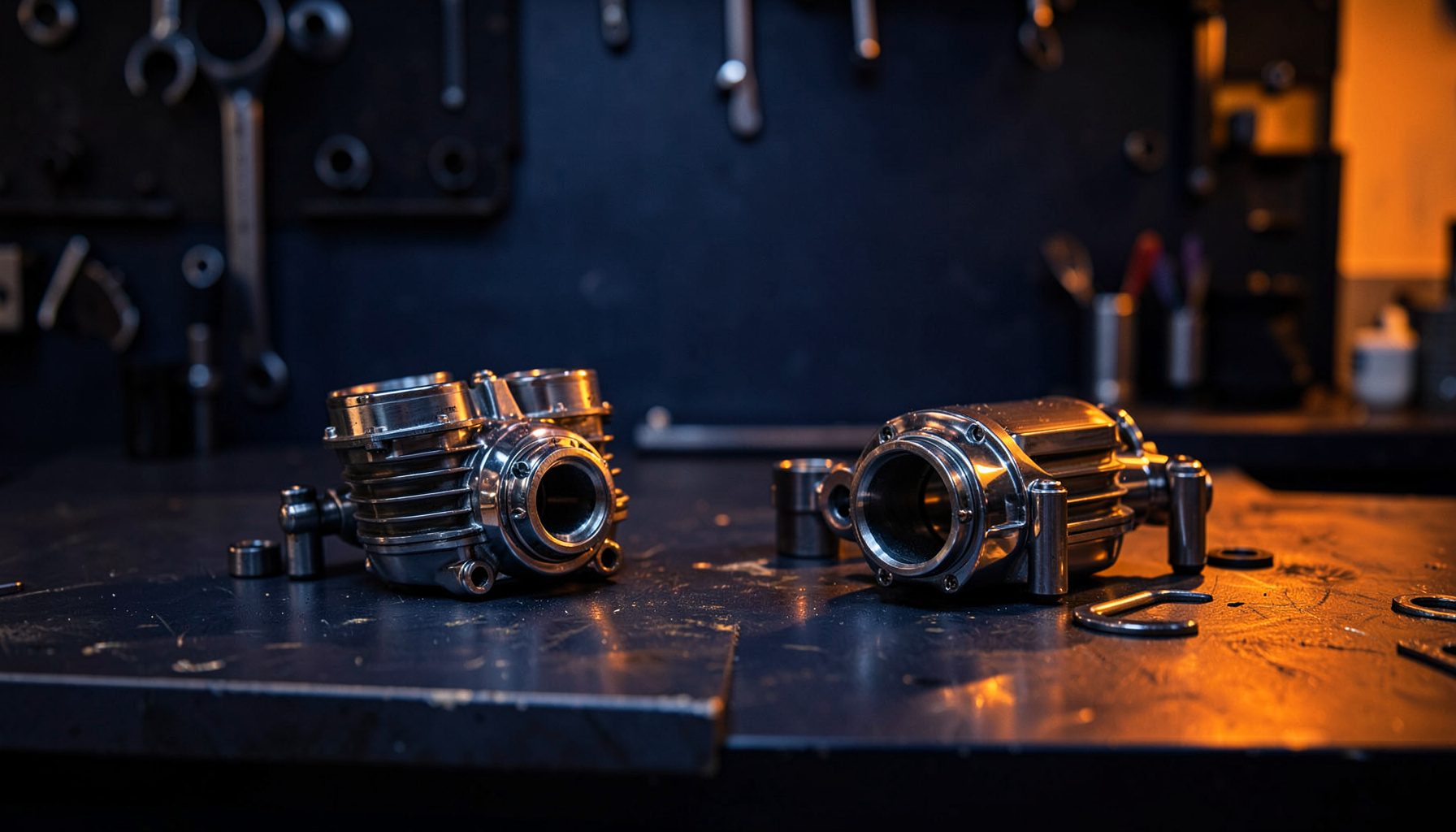
Selecting a Motorcycle Exhaust for UK MOT Compliance
Riders cruising down the Great Ocean Road or weaving through traffic near Parramatta often chase a throatier note from their bike, and an aftermarket exhaust is one of the easiest upgrades to feel. Many Aussies shop with UK-based suppliers because the catalogue is broader and the components tend to be engineered to strict standards. Picking a system that lines up with British MOT rules is a sensible way to guarantee quality, even if your bike only ever sees Brisbane suburbs or the dusty run to Cairns.
The UK MOT test framework is one of the more rigorous roadworthiness checks anywhere in the English-speaking riding world, and an exhaust that passes it has typically been designed within tight tolerances. While Australian states manage the car via separate rego systems and ADR compliance rules, the MOT framework remains a useful benchmark for parts shoppers who want longevity and quiet operation. A system that satisfies MOT testers in a Nottingham service station will usually behave itself on a servo further in Dubbo.
The right exhaust also keeps your bike friendly with neighbours, track-day officials, and the occasional roadside noise complaint in alpine areas where sound bounces off the gum trees. Plenty of riders have been pinged by local council bylaws over impounded bikes, and a well-chosen can saves grief further down the track. The following sections cover how to read decibel figures, spot a proper baffle, and avoid the usual traps that catch out first-time buyers.
Buying online from a UK specialist gives access to type-approved gear, but it also means paying attention to paperwork, fittings, and post-sale support. Pattern Parts carries a deep catalogue, so the rest of this guide is built around practical steps you can apply before clicking add to cart.
Decoding UK MOT Noise Limits
The MOT test uses a stationary sound check rather than a drive-by measurement, which catches plenty of unsuspecting owners. A tester typically holds a sound level meter at a fixed distance from the exhaust outlet, often at a 45-degree angle, and the engine is held at a prescribed RPM, usually around three-quarters of redline or as specified by the manufacturer. Anything above roughly 101 decibels for most motorcycles will fail outright, though the figure shifts depending on the bike's age and category. Older bikes built before a certain year have a slightly more generous ceiling, while pre-1983 machines are exempt from the noise portion altogether.
Understanding this measurement matters because exhaust makers quote two different figures: a claimed maximum dB at a stated RPM and a measured dB under MOT conditions. A can that advertises race use only with no quoted MOT-friendly number is almost guaranteed to draw a red flag from the tester. Buying parts sight-unseen from the other side of the world means you have to trust the listing, so favour sellers who publish both the static and drive-by numbers.
Slip-On Versus Full System Choices
Slip-on units replace only the end can and keep the factory headers and catalytic hardware in place. They are the easiest path through MOT because the original emissions gear continues to do its job, and noise levels stay closer to manufacturer specifications. For most Aussie riders doing the daily commute into the CBD or weekend blasts through the Yarra Valley, a quality slip-on delivers a meaningful sound lift without creating compliance headaches.
Full systems replace headers and the entire back end, which opens the door to weight savings and sharper performance. They are also more likely to fail UK MOT tests unless the kit includes a proper catalytic converter, a retained oxygen sensor bung, and a homologated baffle. Riders chasing serious power gains for track days at Phillip Island will often fit a full system but keep the OEM exhaust boxed up for the ride home or for the rare rego inspection.
Catalytic Converters and Emissions Hardware
The MOT emissions check is relatively basic compared to modern Euro or US smog tests, but the tester still looks for a catalytic converter where the bike was originally equipped with one. Removing a cat on a fuel-injected bike is a guaranteed failure on most machines built after 2003, and it will throw a check engine light on anything with an O2 sensor downstream. Riders planning a long trip across the Nullarbor should remember that Western Australian inspectors can be equally picky when a vehicle is imported or presented for an occasional compliance check.
A good aftermarket system either retains the original catalyst or includes a high-flow unit that meets UNECE R41 or equivalent Euro 4/5 standards. The paperwork that arrives in the box should list the type-approval number, the relevant regulation, and the specific bike models it covers. If that paperwork is missing, the can may still pass a casual look-over but will draw unwanted attention from any tester who bothers to lift the rear wheel.
Spark Arrestors and Baffle Design
Bikes ridden through dry bushland, pine plantations, or grassy state forests benefit from a spark arrestor that meets USDA Forest Service or Australian equivalent standards. While MOT testers do not specifically check for spark arrestion, the right baffle design affects both noise and back-pressure, which influences how the engine runs. A poorly designed baffle can make throttle response snatchy, costing you fuel economy on a long haul through central Queensland.
Look for systems with removable baffles or dB killers, because that lets you tame the sound for the commute and open it up for weekend rides around Mount Panorama or social track days. Stainless steel perforated cores last longer than plain steel in salty coastal air, which matters if you live near Kiama or anywhere the southerly buster drags sea spray across the car park.
Homologation Marks to Spot
MOT testers in the UK look for an e mark stamped on the exhaust body, followed by a number indicating the issuing country. For Australia, an e mark is not strictly required because local approval runs through ADR rather than ECE, but it is a strong indicator that the part meets European type-approval. A can with a clear stamp is far easier to defend if any official question arises, and it usually means the manufacturer has done the homework.
Avoid generic unbranded cans with no markings whatsoever, especially if they promise huge power gains for a low price. They tend to fail MOT on noise, fitment, or welding quality, and they often rust through within a season of coastal riding. Reputable sellers publish part numbers, type-approval references, and bike-fitment lists, so keep an eye out for those details when comparing options on Pattern Parts.
Installation and Setup Considerations
Fitting an exhaust is straightforward on most bikes, but the small details decide whether the system passes or fails. Make sure mounting springs seat correctly, gaskets are fresh, and any oxygen sensor is reconnected before the first start. A loose joint can leak exhaust gases, which raises noise levels and may pull a fail during a MOT visual inspection for leaks or security.
After fitting, take the bike for a proper run rather than just idling in the driveway, because exhaust tone at idle differs greatly from the sound under load at 5,000 RPM. Many riders do a short loop through their local streets, then head to a quiet stretch of bitumen for an honest listen at speed. If anything rattles or drones uncomfortably in the midrange, the baffle may need adjustment or replacement before any official inspection.
Tuning Considerations After Fitting
A new exhaust changes the back-pressure and the way exhaust gases flow through the system, which can leave the fuelling a little lean or rich. On older carburetted bikes, a simple rejet or a shim adjustment under the needle often restores smooth throttle response. Fuel-injected machines benefit from a remap or at the very least an ECU reset, because the lambda sensor readings shift once the new can is fitted.
Many modern aftermarket exhausts include a port for the lambda sensor, and the more reputable kits ship with a bung that suits common sensor threads. Skipping this step is a false economy, because an unmapped bike can run hotter, drink more slowly, and eventually wave a warning light on the dash. Riders who cover serious kays between Sydney and Melbourne will notice the difference at highway speeds, where a properly tuned bike settles into a steady cruise rather than hunting through the rev range.
For Australians sourcing parts from Pattern Parts, the brand filter and bike-fitment tool help narrow the field to systems that are type-approved and engineered for daily use. Pick a slip-on or full system that matches your exact model, confirm the dB rating sits within MOT noise limits, and double-check that catalytic hardware is retained where the bike originally had it. With the paperwork sorted and the baffle seated, the next step is a fair-dinkum weekend fitting session in the shed.
If you want a deeper note without the paperwork drama, head to the Pattern Parts exhaust section and filter by type-approved options for your exact model. Grab a fresh gasket kit, schedule a wrenching afternoon, and you will be back on the throttle with a sound that satisfies testers from Nottingham to Noosa. Order once, fit it right, and the only noise you will hear is the bike itself.