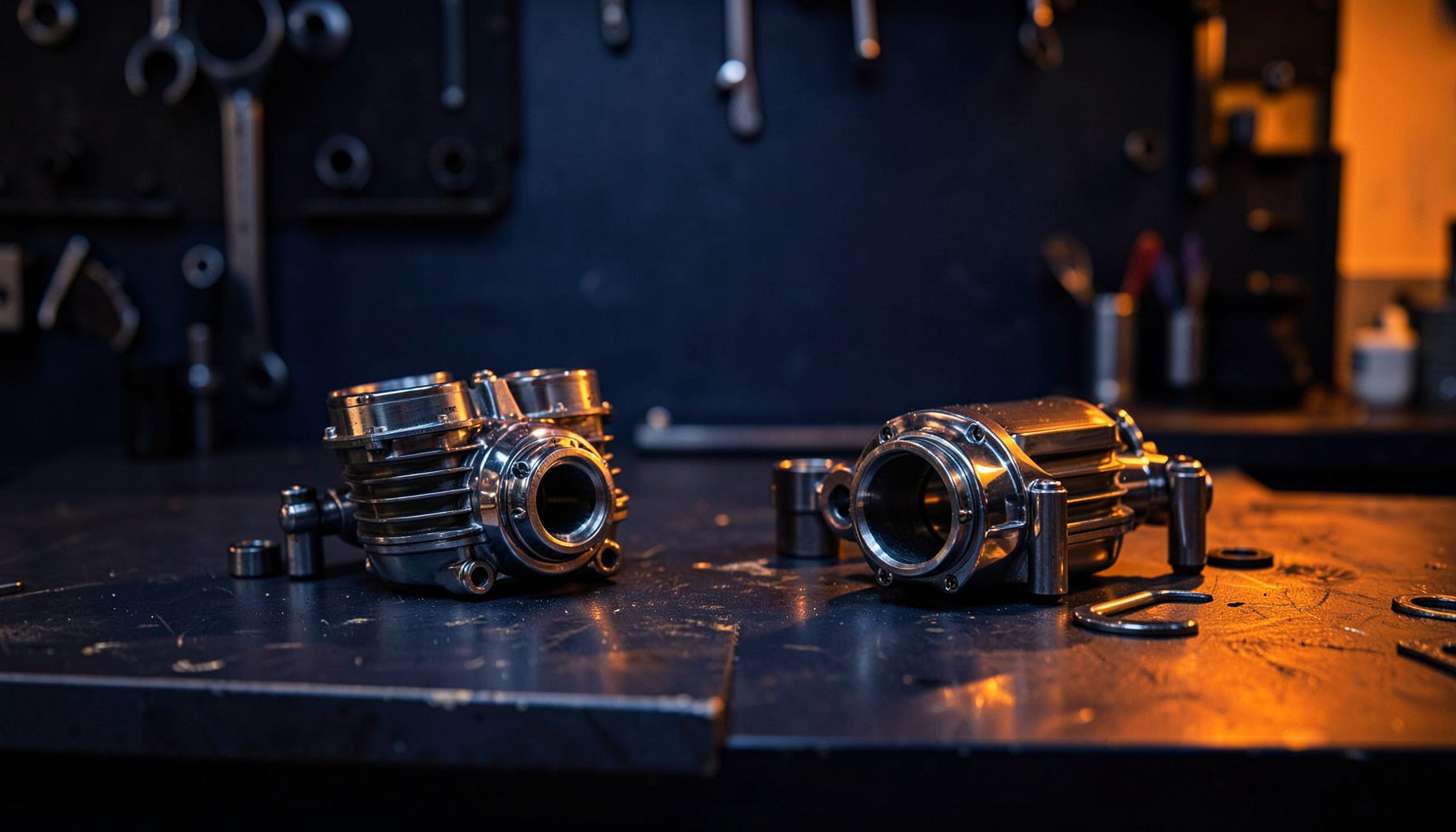
How to diagnose motorcycle clutch problems beyond slipping
Clutch faults are often labelled “slipping”, but a motorcycle can develop harsh engagement, judder, excessive drag, an inconsistent bite point, difficulty finding neutral, or gears jumping out. Each symptom points to a different part of the control or clutch assembly, so accurate observation saves time and money.
Most Australian motorcycles are right-hand drive and, because traffic keeps left, their clutch lever is usually on the left; some cruisers and adventure bikes use right-hand controls. Follow the owner’s manual, support the bike securely, and let hot components cool before inspection.
Read the symptom accurately
Describe when the symptom appears: during pull-away, low-speed crawling, gear changes, or only after warming up. Judder at a steady bite point differs from vibration that starts once the clutch is fully engaged.
A dragging clutch can make the engine rev while the bike accelerates poorly; a slipping clutch usually has rising revs but continued forward motion. Note the lever feel and whether heat or load changes the fault.
Test only in a safe area. Stop riding if the chain jumps, a gear will not select, or the clutch overheats, because repeated hard launches can damage friction material and hide the cause.
Measure free play correctly
With the transmission in neutral, gently pull the lever until the plates begin to touch and compare that point with the specified range. Many road motorcycles use roughly 10–20 mm of lever movement, but that is not universal and varies with cable routing and condition.
Distinguish lever free play from pressure-plate clearance. On an adjustable dry clutch, lever movement is an adjustment aid; plate clearance is the gap between friction plates with the clutch open. The service manual should state the correct values for the model.
If the lever must be pulled too far to find first contact, it may be too tight; excessive movement means it may be too loose. Correct the adjustment rather than compensating for a stretched cable, damaged linkage, or worn clutch.
Inspect the control system
On a cable-operated clutch, inspect the inner cable for fraying, kinks, corrosion, and tight bends at the lever, engine, and swingarm. Check the adjuster and locknut, and lubricate the pivot and exposed cable only where permitted. Keep grease off the friction plates.
For a hydraulic clutch, look for leaks, a damaged hose, a soft lever, and reservoir contamination. Bleeding may be needed after hose or fluid work, but air in the line and a worn master cylinder are separate faults.
Inspect the lever return spring, lever, and pedal or linkage for damage and looseness. A damaged cable can imitate a worn pressure plate, while a binding lever can make a healthy clutch feel rough.
Separate drag from judder
Judder during first engagement usually indicates uneven pressure, a warped plate, a loose basket, oil on a dry friction surface, or worn friction material. On a dry clutch, even a small oil film changes the bite; an exhaust leak near an open basket can contaminate the assembly.
Drag feels different: the lever is stiff, the bike may creep in gear, and the clutch stays hot. Causes include incorrect free play, an over-tightened adjuster, faulty lubrication, a distorted plate, or the wrong oil level or specification in a wet clutch.
Temperature can hide the cause. Sydney stop-start traffic and Brisbane summer heat may expose heat-related drag that a short workshop test misses. Let the machine cool and repeat the same test.
Examine plates, basket and springs
With the bike secured and cooled, remove the clutch cover according to the service manual. Inspect plates for scoring, heat marks, warping, and uneven wear; fresh scoring on one face can indicate a shifted basket or poor alignment.
Measure friction and steel plates against service limits, and check the pressure plate, springs, and spring seats. Compare matched components rather than assuming even wear. If the basket, pressure plate, or springs need renewal, compare the required dimensions with Joker Racing clutch components.
Inspect input-shaft splines, basket fasteners, and actuator travel as well. Incorrect plate fitting, wrong friction material, or altered spring pressure can prevent full disengagement. A big bore kit needs a deliberate baseline setup, so follow its instructions rather than reusing old settings.
Trace gears, neutral and driveline
A crunch when selecting a gear may come from worn dog teeth, a damaged shift drum, a weak detent, or a misadjusted gear cable. On bikes with a gear-position sensor, inspect the sensor and wiring too; a neutral indicator does not prove the dog clutch is healthy.
Gears jumping out under acceleration or downhill load can indicate dogs, forks, detents, or shift-mechanism wear, but also poor chain tension, damaged sprockets, and loose engine components. Check these before blaming the plates.
Do not use the clutch to hold a gear on a hill. If selection becomes unreliable, stop and arrange transport; in traffic, an uncontrolled shift can cause a crash. Keep hands clear of the shifting mechanism.
Follow a controlled repair path
Confirm the symptom, reproduce it, inspect, measure, and adjust or replace one component at a time. Clean and adjust before ordering parts. Record each measurement and change, because alterations to lever feel, plate clearance, and bite point can mask the original fault.
Identify whether the fault lies in the control, friction pack, basket, springs, shift mechanism, or driveline before building a parts list. Australia’s mix of Japanese, European, and American marques makes year, model, and engine-number verification essential, especially for aftermarket upgrades.
If ambiguity remains, a technician with a torque wrench, dial gauge, and model-specific manual can test plate condition and clutch geometry directly. Before buying overseas, check Australian Customs requirements, GST, freight times, and return terms; the part must match the motorcycle exactly.
Start with a written symptom log and cold free-play measurement, then follow the evidence through controls, plates, basket, shift mechanism, and driveline. This distinguishes a cable or hydraulic fault from an internal clutch problem and avoids replacing a healthy assembly.
When the failed part is confirmed, compare OEM-equivalent dimensions and model compatibility in the UK-based Pattern Parts clutch catalogue, then cross-check the required hardware before ordering. Use supplier information alongside the service manual, and book a qualified mechanic for clutch reassembly or adjustments beyond your experience.