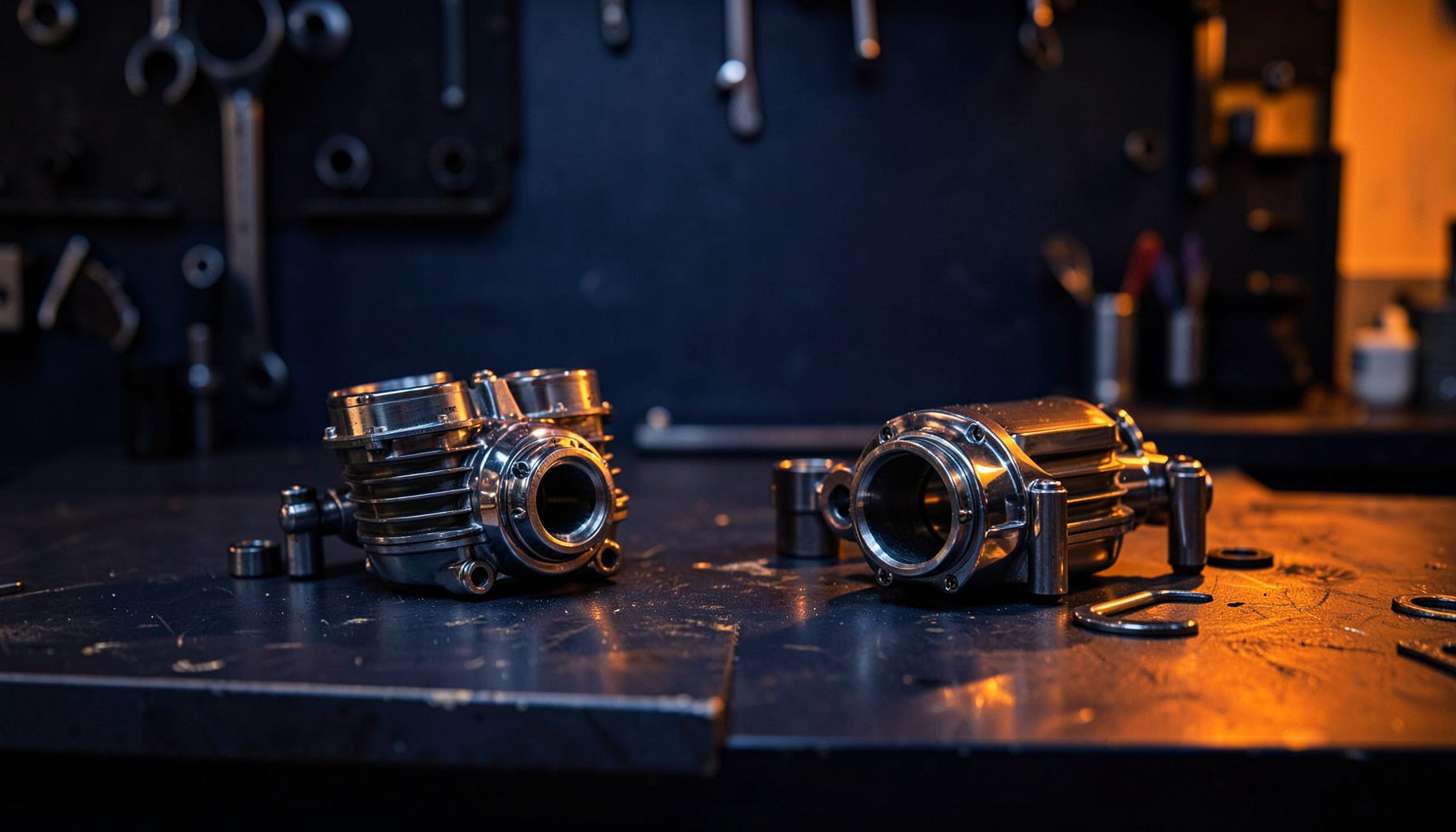
How to Diagnose Motorcycle Fuel Pump Failures
A motorcycle fuel pump can fail gradually or stop without warning, leaving the engine cranking but refusing to start. The symptoms often overlap with a flat battery, blocked fuel filter, faulty injector, worn spark plug or side-stand safety switch, so replacing the pump immediately can waste money.
Most modern fuel-injected motorcycles use an electric pump inside or near the fuel tank. It pressurises petrol before the engine starts, then maintains a steady supply while the injectors deliver fuel. Carburetted motorcycles may use a vacuum-operated or mechanical pump, with a different set of tests.
Australian riding conditions can make fuel delivery faults more noticeable. Long distances between service stations in regional Western Australia or the Northern Territory place greater demands on reliability, while heat around Queensland and New South Wales can expose weak electrical connections and ageing hoses.
A methodical check is safer and more accurate than relying on the sound of the pump alone. The aim is to confirm whether the pump receives power, creates the correct pressure and delivers enough fuel under real operating conditions.
| Symptom | Possible cause | Useful first check |
|---|---|---|
| No pump sound at key-on | Fuse, relay, wiring or failed pump | Listen, inspect fuse and test voltage |
| Cranks but will not start | Low pressure, injector fault or ignition fault | Check pressure and spark |
| Cuts out under load | Weak pump, blocked filter or restricted tank breather | Test pressure while revving |
| Starts after cooling down | Pump overheating or electrical resistance | Check current draw and connections |
| Runs roughly after refuelling | Contaminated fuel or water | Inspect a fuel sample and tank |
Recognise The Warning Signs
A healthy electric pump usually makes a brief whirring sound when the ignition is switched on. It should prime for a few seconds, then stop once the system reaches pressure. A completely silent pump can indicate an electrical problem, although some motorcycles only activate the pump when the engine control unit sees a valid start signal.
Hard starting, hesitation, surging and stalling are common signs of inadequate fuel pressure. The bike may idle normally but lose power when climbing a hill, overtaking or opening the throttle because demand rises beyond what the weakened pump can supply.
A rider might describe the problem as the bike “having a dummy spit”, but the diagnosis still needs measured evidence. Record when the fault occurs, whether the engine is hot, how much fuel is in the tank and whether the issue began after filling up.
Begin With Safe Basic Checks
Work outside or in a well-ventilated area, away from cigarettes, heaters and electrical sparks. Allow a hot engine to cool before opening fuel lines, wear eye protection and keep an approved fire extinguisher nearby. Petrol vapour is highly flammable, and a garage with a roller door partly closed is not adequate ventilation.
Check the battery voltage, fuel level, engine-stop switch, side-stand position and relevant fuses. A weak battery can spin the starter while leaving insufficient voltage for proper pump operation. Inspect connectors around the tank for corrosion, loose terminals or stretched wires, particularly on bikes that have recently had a tank lifted.
If the motorcycle was filled with E10, confirm that the model is approved for that fuel. Incorrect or contaminated fuel can produce symptoms that resemble a pump failure. For longer trips through the Outback, avoid running the tank nearly dry, since the fuel also helps cool an in-tank electric pump.
Test The Electrical Supply
Use the wiring diagram or service manual to identify the pump connector, relay and earth circuit. With the ignition switched on, test for battery voltage at the pump terminals during the priming period. If voltage is present but the pump remains silent, the motor, internal filter or pump assembly is a strong suspect.
No voltage sends the investigation upstream. Test the fuse, relay output, ignition feed, engine-stop circuit and earth connection. A relay can click and still have burnt internal contacts, while a corroded earth may allow a test light to glow but fail when the pump draws significant current.
A multimeter is useful, but a voltage-drop test under load gives better information. Excessive loss between the battery and pump points to resistance in a connector, fuse holder, relay or wiring. Repair the underlying connection before installing a replacement component.
Check Pressure And Flow
A fuel-pressure gauge connected to the manufacturer’s test point is the most reliable way to assess delivery. Compare the reading with the motorcycle’s specification, because pressure requirements vary considerably between models. Some systems use a regulator inside the tank, while others place it on the fuel rail or return line.
Low pressure may result from a worn pump, clogged strainer, restricted filter, split internal hose or failing pressure regulator. Pressure that rises slowly, drops immediately after the pump stops or collapses during acceleration provides useful clues. Follow the service manual’s procedure and use fittings rated for petrol injection systems.
A flow test can supplement pressure testing, but it must be performed with proper containers and safe handling. A pump may show acceptable pressure with no fuel demand yet fail to provide sufficient volume. This explains why a motorcycle can idle in the shed but falter on the road.
Rule Out Spark And Injector Problems
An engine that cranks without starting does not automatically have a fuel-pump fault. Check for ignition spark, injector pulse and the correct crankshaft-position signal. A failed sensor or immobiliser system can prevent the pump from running, or allow priming while stopping the engine from firing.
Spark-plug condition can also mislead the diagnosis. Wet plugs may indicate excess fuel, while dry plugs suggest that fuel is not reaching the combustion chamber. Before interpreting the plug, use this guide to spark plug wear and check whether the engine has been repeatedly cranked.
Inspect the tank for rust, sediment or water, especially on an older bike stored near the coast. A blocked injector can imitate low fuel pressure at the cylinder, while a damaged tank breather can create a vacuum and restrict flow. Opening the filler cap briefly after a stall may reveal a venting issue, but it is not a permanent fix.
Use These Practical Checks
Start with the least invasive checks before removing the tank or fuel pump assembly.
- Listen for the priming sound at key-on
- Confirm battery voltage and fuse condition
- Inspect pump connectors and the tank earth
- Check for a blocked breather or contaminated petrol
Once basic checks are complete, compare the symptom with the test result rather than guessing from mileage alone.
- Pressure low with good voltage: inspect pump, filter and regulator
- No voltage at the pump: trace relay, wiring and safety circuits
- Correct pressure but no start: test spark, injector pulse and sensors
- Fault only when hot: investigate pump temperature and voltage drop
Choose The Correct Repair
Replace the complete pump module only when testing supports that decision. Depending on the model, the serviceable part may be a motor, strainer, filter, regulator or internal hose rather than the entire housing. Match the replacement to the motorcycle’s year, engine version and fuel-system specification; an apparently similar unit may have the wrong pressure or electrical load.
Use new seals whenever the tank plate or pump flange is removed, and route internal hoses so they cannot kink. Clean the tank before fitting new parts if rust or debris caused the original failure. After reassembly, cycle the ignition several times, inspect carefully for leaks and confirm pressure before starting.
For riders comparing repair costs with a replacement motorcycle, a clear budget matters. Information about dealer-arranged finance can help explain one possible purchasing route, though finance terms and approvals depend on the provider and Australian market.
Prevent A Repeat Failure
Use clean, reputable fuel and follow the motorcycle manufacturer’s recommendations about ethanol compatibility. Replace fuel filters at the specified interval, keep electrical connectors dry and address charging-system faults promptly. Overcharging, low system voltage and poor earthing can shorten the life of an electric pump.
Before a long ride from Melbourne to regional Victoria, across the Nullarbor or through northern Queensland, test the bike under load and carry basic roadside equipment. A spare fuse, compact multimeter and the correct roadside-assistance details are more useful than a random replacement pump. Pattern Parts supplies replacement filters, fuel-system components and related motorcycle parts for many makes and models.
When symptoms point to fuel delivery, take readings, record the results and repair the confirmed fault rather than replacing parts by guesswork. If pressure testing involves opening the fuel system and you are not fully confident with petrol safety, have a qualified motorcycle technician complete the work before the bike returns to the road.