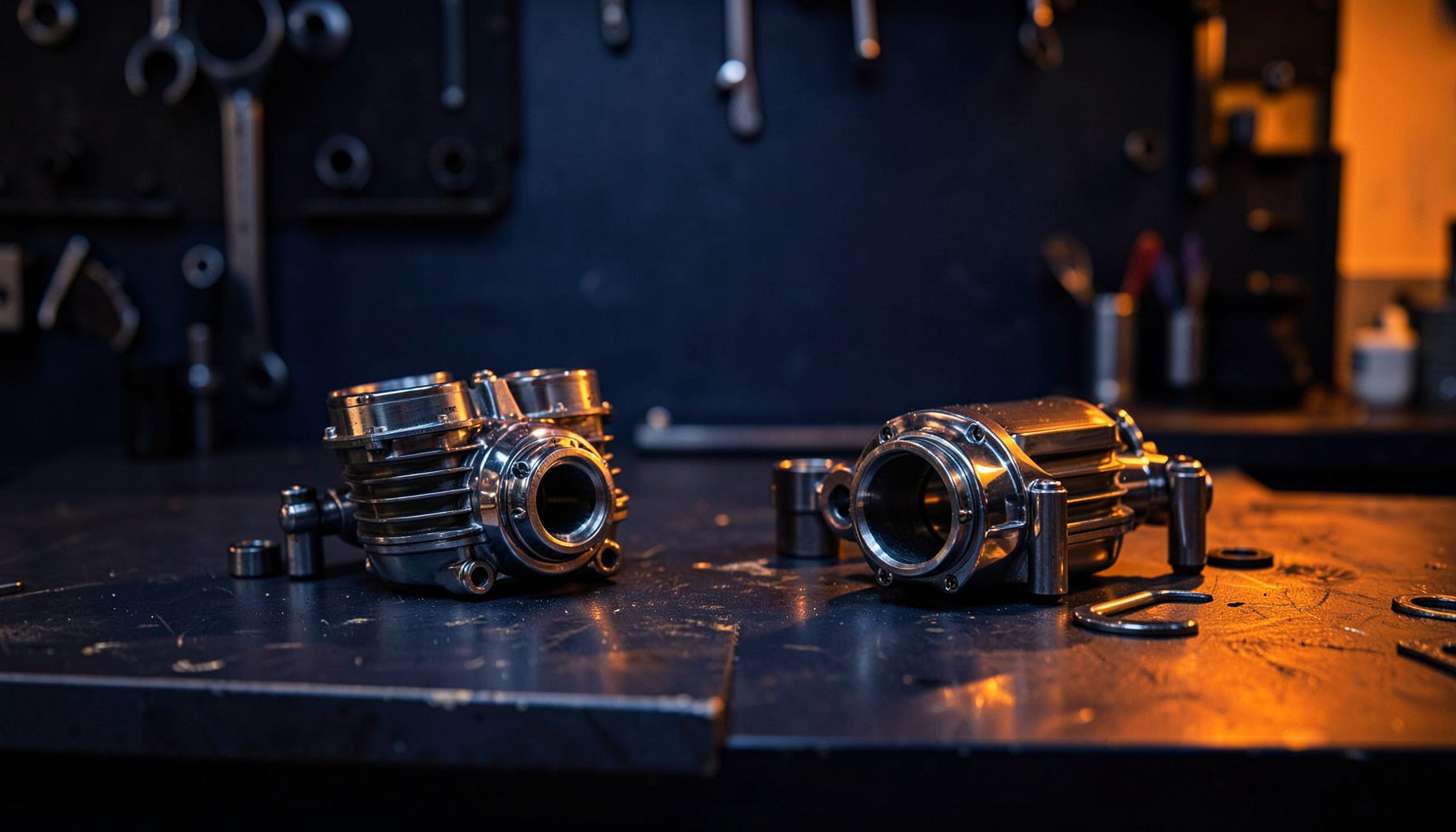
How To Install Motorcycle Engine Case Savers And Sliders
Motorcycle engine case savers and sliders provide a valuable layer of protection between vulnerable engine covers and the road. A low-speed tip-over, gravel spill or slide can grind through an alternator, clutch or stator cover within seconds, turning a minor incident into an expensive recovery.
The right protection must fit the exact motorcycle and leave controls, fasteners and moving parts unobstructed. This guide explains how to select, prepare and install case covers, engine sliders and related crash protection on bikes commonly ridden across Australia, from daily commuters in Sydney to touring machines crossing regional highways.
Why Engine Protection Matters
A motorcycle’s engine cases can be exposed beyond the frame, particularly on naked bikes, sports models and adventure motorcycles. The clutch cover on one side and generator or stator cover on the other may contact the bitumen first during a slide. Even a stationary fall in a garage can crack a magnesium or aluminium cover.
Case savers are usually shaped plates or moulded guards that spread impact and abrasion over a wider area. Sliders use replaceable pucks or sacrificial blocks to help the bike glide rather than dig into the surface. Neither product makes a crash harmless, but both can reduce damage and help prevent oil loss that would leave a rider stranded.
Australian riders also face varied surfaces, from coarse urban asphalt in Melbourne to loose gravel on outback routes. Protection that works for occasional track days may differ from equipment suited to a touring or adventure bike, so consider how and where the motorcycle is used.
Choose Protection For Your Motorcycle
Start with the bike’s exact year, model and engine variant. A guard designed for a 2020 Yamaha MT-07 may not suit an earlier model, even if the engine appears similar. Check mounting points, exhaust routing, fairing shape and whether aftermarket headers or crash bars have changed the available space.
Look for products made from impact-resistant polymer, machined aluminium, stainless steel or a combination of materials. Polymer sliders are often effective at absorbing abrasion, while aluminium plates can provide broad coverage. A reputable racing protection range can be useful when comparing construction, replacement puck availability and track-focused designs.
Avoid choosing solely by the lowest price. A guard that covers only the centre of a case may leave the outer edge exposed, while an oversized product can interfere with a side stand, gear lever or exhaust. Confirm that the kit includes spacers, brackets, bolts and fitting instructions before beginning.
Gather Tools And Inspect The Kit
Most installations require metric sockets, hex keys, combination spanners, a torque wrench, screwdrivers and a flat, stable work surface. A paddock stand can help keep the motorcycle upright, but use a suitable lift or support system if removing components that affect balance. Keep a drain pan and clean rags nearby in case a cover bolt releases a small amount of oil.
Lay out every part and compare it with the instructions. Check that bolt lengths match the intended positions, as a bolt that is too long can bottom out in the engine case or damage internal components. Inspect the guard for sharp edges, distorted holes or manufacturing damage before it goes near the motorcycle.
Use threadlocker only where the manufacturer specifies it. Some fasteners enter oil passages or require a particular lubricant, and applying compound indiscriminately can make future servicing difficult. A workshop manual or reliable parts guide is valuable when bolt torque and tightening sequence are not printed with the kit.
Prepare The Bike Safely
Park on level ground, switch off the ignition and allow the engine and exhaust to cool completely. Remove luggage, belly pans or fairing sections that block access. If the motorcycle has recently been ridden in Brisbane heat or dusty conditions, clean the mounting area so grit does not become trapped between the guard and the case.
Support the bike securely and keep it upright throughout the work. Do not rely on a side stand if fitting protection that could alter the balance or require pressure against the motorcycle. Disconnecting the battery is sensible when nearby work involves electrical components, although it is not normally needed for a straightforward external guard installation.
Before removing any original fastener, photograph the area and note the position of wiring clips, hoses and brackets. Some engine case bolts have different lengths, and mixing them up during reassembly can cause leaks or internal interference. Place removed hardware in labelled containers rather than on the workshop floor.
Install The Case Saver Or Slider
Hold the protector against the engine and check that all holes align without force. If the product uses a bracket, install the bracket loosely first, followed by spacers and the guard. Start every fastener by hand for several turns; cross-threading an engine case is far more costly than replacing a damaged bolt.
Tighten the fasteners gradually in a criss-cross or manufacturer-specified order. This allows the guard to sit evenly and prevents one mounting point from carrying excessive load. Finish with a calibrated torque wrench set to the value supplied by the motorcycle or protection-kit manufacturer.
Do not hammer, bend or file the guard to make it fit. Misalignment usually indicates the wrong part, a displaced spacer, an incorrectly routed cable or a leftover original bracket. If the kit uses replacement engine-case bolts, compare their thread length carefully before tightening.
Check Clearance And Function
Turn the handlebars from lock to lock and inspect the protector, cables and hoses. Operate the gear lever and rear brake pedal through their full movement, then check the side stand, centre stand and foot controls. On fairing-equipped motorcycles, refit panels temporarily and confirm that no plastic is pressed against the guard.
Look beneath the engine for possible contact with the exhaust, oil filter, drain plug or ground. A slider should not become the lowest point in a way that risks catching on a kerb or rut. On adventure bikes used around Canberra or the Snowy Mountains, allow for suspension compression and movement over uneven terrain.
After the first short ride, inspect every fastener for movement and look for oil seepage. Recheck torque after the initial heat cycle if the instructions recommend it. Protection can transfer impact loads into its mounting points, so a cracked bracket, distorted spacer or loose bolt should be addressed immediately.
Maintain Protection After Installation
Case savers and sliders are sacrificial components, not permanent guarantees. Inspect them after any fall, gravel strike or track session, even if the motorcycle appears undamaged. Replace a worn puck or cracked plate rather than continuing to rely on compromised protection.
Keep the following checks in your regular motorcycle maintenance routine:
- Confirm that mounting bolts remain tight at service intervals.
- Look for cracks, deep abrasion and deformation around bolt holes.
- Check that guards have not shifted into cables, hoses or controls.
- Clean trapped mud, chain lubricant and road salt from the mounting area.
- Replace damaged spacers, bushes and slider pucks with correct parts.
- Record the kit’s torque settings with the motorcycle’s service notes.
When protection is removed for an oil change or engine service, clean the contact surfaces before refitting it. This is also a good time to inspect nearby components, including the chain and sprockets. Riders comparing replacement sizes can consult this practical chain sizing guide before ordering related drivetrain parts.
Correctly installed engine guards should remain secure, clear of moving components and easy to inspect. They are especially worthwhile on motorcycles used for commuting through Sydney traffic, weekend rides along the Great Ocean Road or long-distance travel where a damaged case could end a trip far from a workshop.
Choose protection matched to your motorcycle’s model and riding conditions, follow the supplied torque specifications, and inspect the installation after its first ride. With the right parts and careful fitting, case savers and sliders can help preserve essential engine covers when an otherwise manageable fall turns harsh.