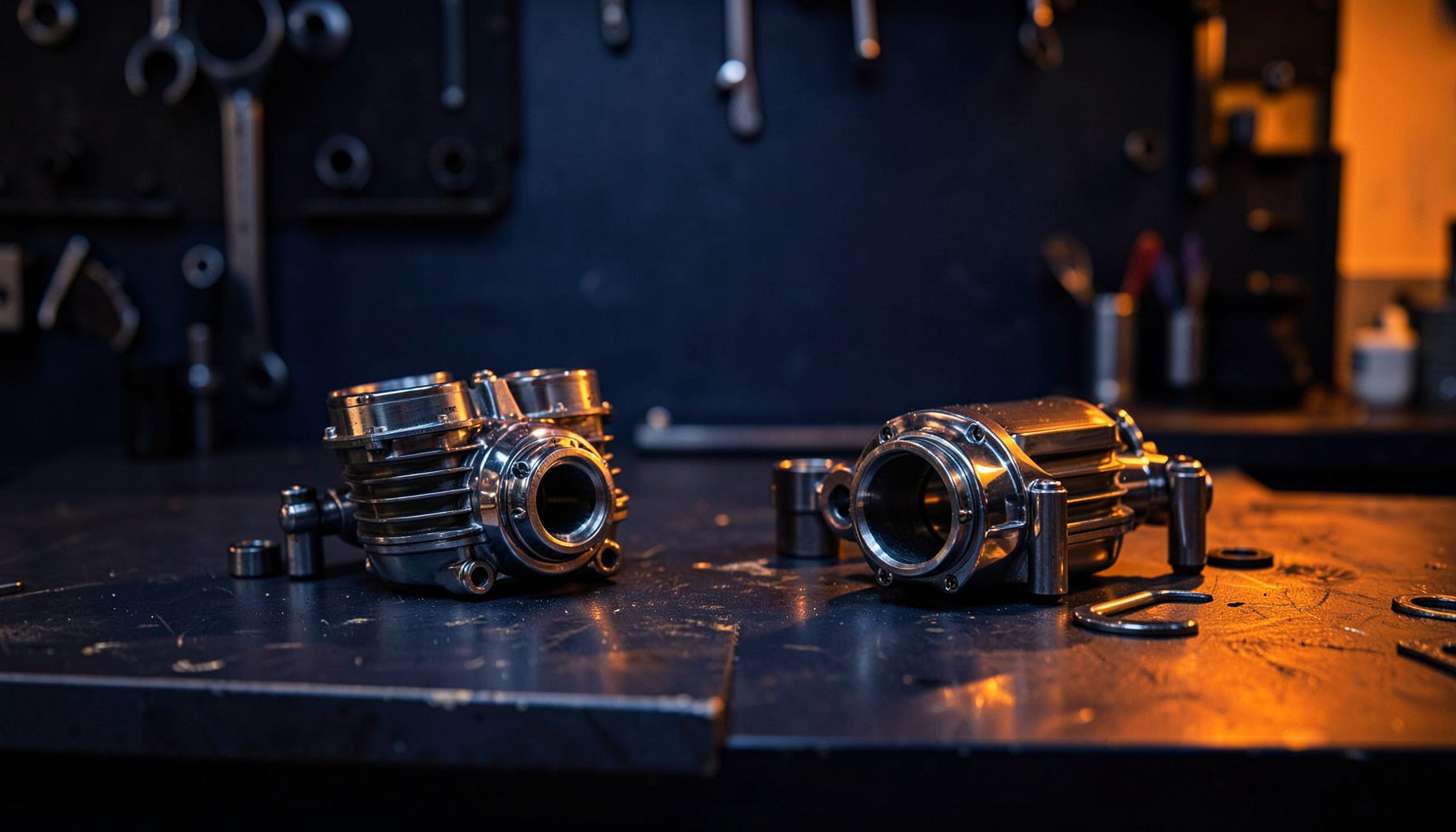
How to replace motorcycle chain and sprockets on a shaft drive bike
If you are looking for how to replace motorcycle chain and sprockets on a shaft drive bike, there is an important catch: a conventional shaft-drive motorcycle has no main drive chain or transmission sprockets. Power travels through a gear set, an enclosed drive shaft and a rear differential, with the final drive lubricated separately. Fitting chain-and-sprocket parts to such a bike would be mechanically wrong. Learn more about Scoop Le Futur Mercedes Classe C électrique Attendu Pour 2026.
This guide shows how to confirm what your motorcycle uses, how to replace a chain and sprockets when it has a chain final drive, and what owners of genuine shaft-drive bikes should inspect instead. It also accounts for Australian workshop practices, online parts buying and conditions ranging from city traffic to the bush.
Identify the final drive before buying parts
Walk around the motorcycle and trace the output from the gearbox. A chain-driven bike has a roller chain running between a countershaft sprocket and a rear sprocket. A belt-drive bike uses a wide toothed belt, while a shaft-drive bike has a tube running from the engine to the rear wheel. Many supersport and naked bikes sold in Australia are chain-driven, but cruiser and touring models are not automatically shaft-driven.
If a sale listing says shaft drive but the photographs show a chain, treat the listing as imprecise. Match the VIN, year, model code and engine, then consult the maker’s parts diagram or service manual. For a cross-check on replacement items, the motorcycle parts range includes chains, sprockets, brakes, filters and engine components, but compatibility still depends on the exact machine.
Prepare tools and parts for Australian conditions
Australian motorcycles generally use metric fasteners, so a metric socket set is essential. The tool size and tightening torque for sprocket and axle bolts remain model-specific, so read the workshop manual before loosening anything and photograph the chain, sprocket positions and adjuster before removal.
- Replacement chain with the specified pitch, width and link count
- Matching front and rear sprockets with the correct tooth counts
- Suitable master link or quick link for the chain design
- Metric sockets, chain tool, torque wrench and wheel stand
Because specialist stock can be patchy outside major cities, many Aussie riders compare an international dealer with local availability before ordering. A UK purchase can mean GST on import, freight, exchange-rate changes and return costs, so check the total landed price rather than the advertised price. Your mate may call the rear sprocket the cog, but both terms must lead to the same OEM-equivalent part number.
Match components to the exact motorcycle
Record the chain pitch and width, roller or link count, front and rear sprocket tooth counts, and whether the chain uses a riveted master link or a quick link. These dimensions prevent a visually similar chain from being installed incorrectly. An aftermarket sprocket with a different tooth count can also alter gearing, acceleration and odometer accuracy.
Never rely on the model name alone. Car announcements can also be model-year specific, as this report on the electric Mercedes-Benz C-Class for 2026 shows. A motorcycle listing should likewise state year, engine, output gear and final-drive layout before any payment is made.
Compare the three final-drive layouts
The correct replacement depends on the layout, and each system has different wear points, adjustment methods and service requirements.
| Final-drive layout | Main wear items | Routine adjustment | Typical warning sign |
|---|---|---|---|
| Chain drive | Drive chain, front and rear sprockets | Chain tension | Slack, hopping or harsh noise |
| Belt drive | Toothed belt and pulleys | Limited or model-specific | Fraying or tooth wear |
| Shaft drive | Drive shaft, universal joints, gears and oil | Usually no chain adjustment | Oil leak, clunk or changed whine |
Only the chain layout contains the parts named in the search. On a shaft-drive bike, replacing a nonexistent chain or sprocket is impossible; the equivalent task is inspecting and servicing the enclosed shaft and gear assembly. A belt-drive bike belongs in yet another category and should never receive chain-and-sprocket parts.
Replace the chain and sprockets on chain-driven models
For a confirmed chain-driven motorcycle, begin with the maker’s removal procedure. Support the bike securely, remove the rear wheel and chain guard, and release tension with the adjuster. Mark the front sprocket’s orientation, then expose and remove its retaining plate and the front and rear sprocket fasteners.
- Fit the new chain over the new sprockets in the correct direction, using an approved master link or connecting link.
- Replace the chain, front sprocket and rear sprocket as a matched set; do not mix a stretchy old chain with new components.
- Set chain slack at the position specified by the manual, then align the sprockets and adjust the rear wheel evenly.
- Torque the sprocket, axle and wheel fasteners to the specified values, check brake clearance and complete a low-speed road test.
Use the correct chain breaker or rivet tool and keep grit out of the sprocket teeth. If the adjuster reaches the end of its travel, inspect the swingarm and chain for hidden stretch rather than forcing the wheel farther back. Some motorcycles use a different tensioning arrangement, so the service manual remains the deciding guide.
Inspect a genuine shaft-drive rear end
A shaft-drive motorcycle uses an output gear, drive shaft, universal joints and a rear differential or final-drive housing. There is no countershaft sprocket, rear sprocket, drive chain or chain adjuster. Oil is usually contained within the final-drive housing, but its type, quantity and change interval depend on the manufacturer.
Check the housing and output seals for weeping, inspect the universal-joint boots for splits, and look for corrosion or excessive play. Listen for changes in gear whine and feel for clunks under load. During servicing, use only the specified gear oil and check backlash as directed; some designs use a dry or hybrid lubrication system.
Local conditions matter. A shaft-driven tourer can face stop-start traffic around Melbourne, humid coastal air near the Gold Coast, dust on routes through the Dandenong Ranges and corrugated roads in northern NSW. These conditions do not create a chain-and-sprocket job, but they make seal condition, oil level and joint wear sensible checks. Follow the maker’s service schedule rather than an online guess.
Complete the job and get the bike road-ready
After any work, verify that the controls, wheel and brakes operate normally and that nothing has loosened. On a chain-driven bike, recheck tension and sprocket alignment after the first warm ride. On a shaft-drive bike, inspect for fresh oil marks and listen for new noise. A workshop test or rolling-road check can confirm that the drivetrain behaves correctly.
Before buying, write down the VIN, exact model year, chain specification, sprocket tooth counts and final-drive type, then confirm the part numbers with the manufacturer or supplier. If the machine is a genuine shaft-drive model, book the specified oil, seal and joint inspection instead of a chain replacement. Match the components, document the work and ride only after every prescribed check is complete.