How to Choose the Right Big Bore Kit for Your Motorcycle
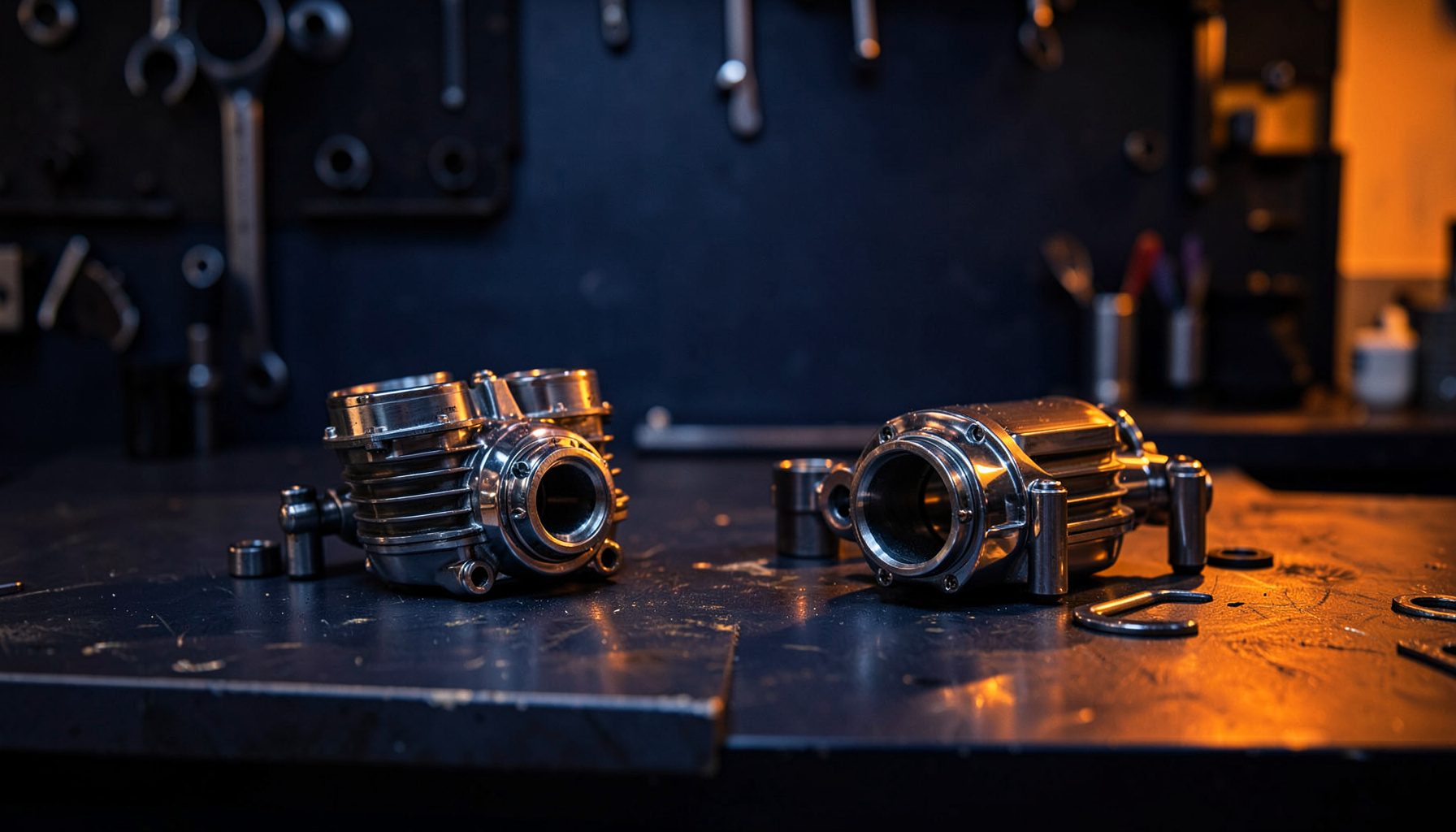
A big bore kit replaces the standard cylinder, piston and related hardware with components that increase engine displacement. The extra capacity can deliver stronger torque, improved acceleration and a more flexible riding experience, but the result depends on far more than choosing the largest available piston.
For Australian riders, the ideal kit must suit the motorcycle’s engine code, intended use and local riding conditions. A commuter travelling across Melbourne, a weekend rider in Brisbane and an adventure rider covering long distances outside Perth may need very different combinations of power, cooling capacity and reliability.
Compatibility should come before claimed horsepower. Cylinder dimensions, crankshaft stroke, piston-to-valve clearance, compression ratio, fuel delivery and ECU calibration all influence whether an upgrade performs well. A kit that fits physically may still require machining, upgraded clutch components or a custom tune.
Use the following comparison as a starting point before checking individual manufacturer specifications and installation requirements.
| Kit Type | Typical Purpose | Supporting Changes Often Needed | Best Suited To |
|---|---|---|---|
| Mild big bore | Extra torque with factory-like manners | ECU adjustment, fuel check, fresh gaskets | Daily road bikes and touring |
| Mid-range kit | Noticeable performance increase | Intake, exhaust, clutch and cooling assessment | Street and spirited riding |
| High-compression kit | Maximum output from increased capacity | Premium fuel, tuning, stronger valvetrain components | Track or competition use |
| Large-capacity conversion | Major engine character change | Machining, crank inspection, fuelling and transmission upgrades | Specialist builds |
Start With Engine Compatibility
Identify the exact model year, engine designation and current specification before ordering. The same motorcycle name can cover several generations with different cylinder studs, oil passages, cam profiles, ECU systems and crankshafts. Confirm the kit’s bore diameter, supplied piston, ring set, cylinder arrangement and gasket thickness against your engine.
Measure the existing cylinder and inspect the crankcase. Some conversions require case boring or cylinder-sleeve work, while others use a replacement barrel designed for direct installation. Check whether the piston crown clears the cylinder head, valves and connecting rod throughout the complete stroke. These checks are essential when combining aftermarket parts from different brands.
Consider the condition of the bottom end as well. A bigger piston can increase combustion force and reciprocating load, exposing wear in the crank bearings, conrod, oil pump or gearbox. On a high-mileage motorcycle, rebuilding the lower engine before adding displacement is often more sensible than fitting performance parts to worn foundations.
Match Displacement To Your Riding
Calculate the proposed capacity rather than relying on marketing descriptions. Engine displacement is based on bore and stroke, so a modest increase in bore can produce a meaningful change in cubic centimetres. The larger the increase, the more likely the engine will need revised fuelling, ignition timing and cooling control.
A mild conversion is generally the sensible choice for commuting, touring and mixed road use. It can add low- and mid-range torque without moving the engine too far from its original operating range. A substantial capacity increase may produce greater peak power, yet it can raise heat, fuel consumption, clutch wear and service demands.
Think about Australian conditions when selecting the target. Stop-start traffic in Sydney and Melbourne can expose cooling weaknesses, while long highway stretches between regional towns place sustained load on the piston and oil system. Riders in northern Queensland may also need to account for high ambient temperatures and humidity.
Check Fuelling, Ignition And Cooling
A larger cylinder draws more air and fuel, so the standard injector, carburettor jetting or fuel map may no longer be suitable. Depending on the model, the conversion may need larger injectors, a fuel controller, ECU reflashing, revised throttle-body settings or carburettor recalibration. An exhaust and high-flow air filter can alter the mixture further.
Compression ratio is equally important. A high-compression piston can improve torque and efficiency, but it may require higher-octane petrol and accurate ignition control. Australian fuel availability varies between city stations, rural routes and remote travel, so choose a setup that can operate safely with the fuel you can realistically obtain.
Inspect the radiator, thermostat, water pump, oil cooler and cooling airflow before increasing output. A clean radiator and correctly functioning fan matter more than an impressive dyno figure when riding through summer traffic. After installation, monitor operating temperature and check for signs of detonation, lean running or oil consumption.
Plan The Supporting Hardware
Extra torque can overwhelm a tired clutch or accelerate wear in the gearbox and final drive. Inspect the clutch plates, springs and basket, then consider stronger springs if the original unit slips under load. The chain and sprockets also affect how effectively the new power reaches the road; this chain and sprocket guide explains how gearing and component choice work together.
Valve springs, camshafts and the timing chain deserve attention on engines that will operate at higher rpm. Verify the piston’s valve pockets match the selected cam profile and that the timing marks remain accurate after assembly. On some builds, a stronger oil pump, upgraded clutch or revised crankcase breather provides worthwhile protection.
Do not overlook brakes and suspension. More acceleration can make the standard braking and damping package feel inadequate, particularly on a lightweight motorcycle. Check pad condition, brake fluid, fork seals, shock performance and tyre load ratings before treating the engine upgrade as complete.
Account For Australian Compliance
A big bore conversion can change the motorcycle’s recorded capacity, power output, emissions and noise characteristics. Modification rules are administered at state and territory level, so requirements can differ between New South Wales, Victoria, Queensland, Western Australia and other jurisdictions. Check the relevant transport authority and consult an authorised engineer before purchasing parts if certification may be required.
Learner-approved motorcycle restrictions are especially important. A capacity or power increase may remove a motorcycle from the LAMS-eligible category, even if the machine remains visually standard. This can affect registration, insurance and the rider’s licence conditions. Keep invoices, specifications and engineering paperwork with the motorcycle’s records.
Road use also brings practical limits around exhaust noise and emissions equipment. Removing a catalytic converter or fitting an unapproved exhaust may create compliance problems during inspection or roadside enforcement. For a registered street bike, retain suitable emissions hardware and choose a reputable tuner familiar with Australian requirements.
Choose A Reliable Installation Strategy
Review the kit contents carefully. A complete package may include a cylinder, piston, rings, wrist pin and gaskets, while other products require separate head gaskets, circlips, bearings or installation hardware. Confirm whether machining, cylinder honing or ring-gap adjustment is required before work begins.
Professional installation is valuable when crankcase clearance, squish measurement or ECU calibration is involved. The builder should measure bore clearance, ring end gaps, deck height and compression ratio rather than assuming the supplied parts are ready to assemble. Correct break-in procedure and early oil changes help the new piston and rings bed in properly.
Buy from a supplier that provides clear specifications, replacement parts and model-specific support. Pattern Parts carries motorcycle engine components, filters, electrical parts and performance equipment for a broad range of makes, making it easier to source compatible items for a complete build rather than mixing uncertain components.
Compare the kit’s real-world benefits with its total cost, including tuning, gaskets, machining, clutch work and compliance checks. Select the smallest capacity increase that delivers the torque and performance you need, then support it with careful measurement, suitable fuelling and dependable cooling. Browse the available engine components at Pattern Parts and verify every specification against your motorcycle before ordering.