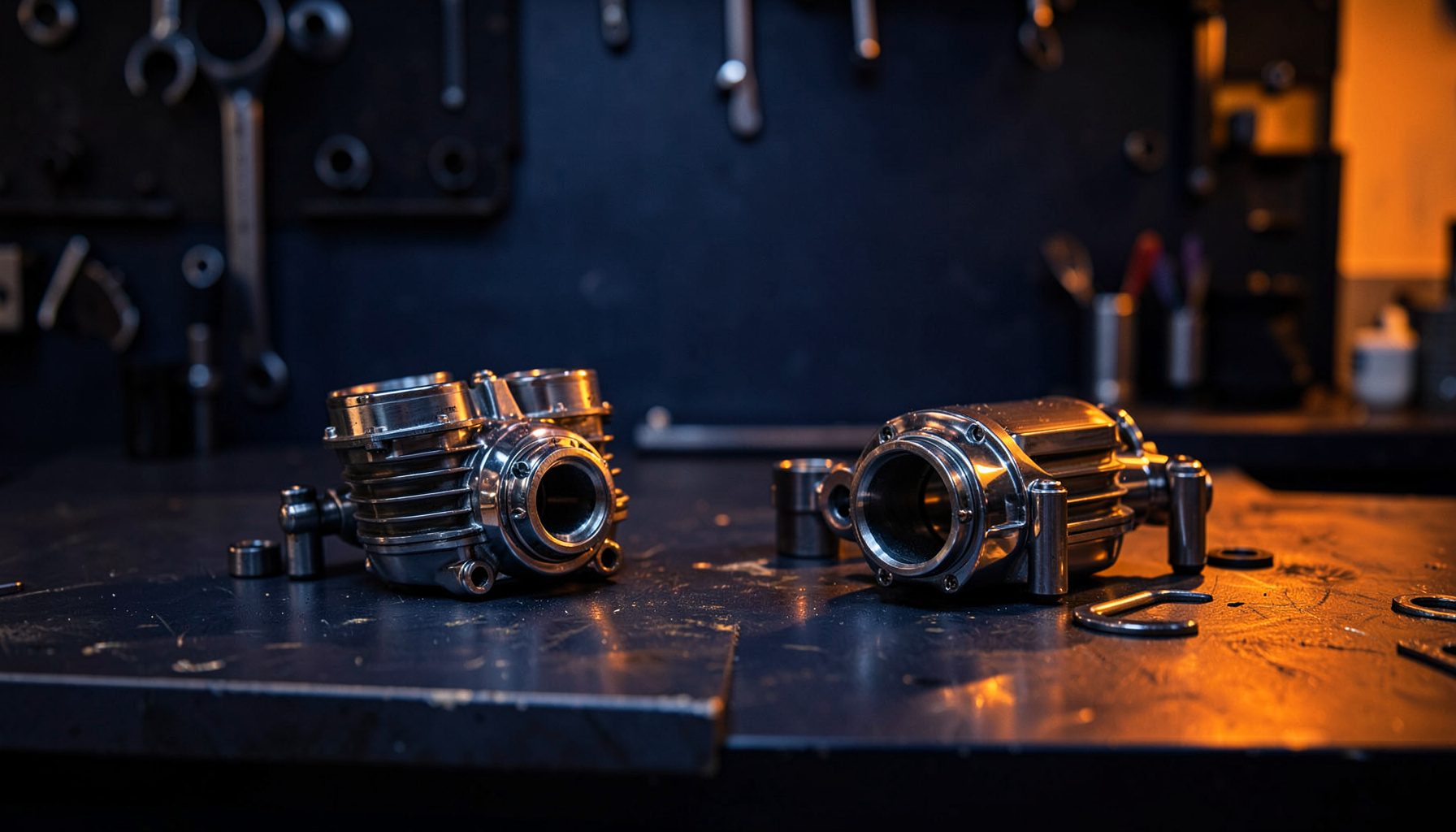
When Your Motorcycle Refuses to Start
A motorcycle that suddenly refuses to fire can turn a quick ride into a frustrating roadside job. The cause may be simple, such as a flat battery or an engine stop switch in the wrong position, but starting problems can also point to fuel delivery, ignition, compression or immobiliser faults.
For riders in Australia, conditions can make diagnosis more demanding. A bike parked outside in a humid Queensland summer, exposed to a cold Melbourne morning, or left for weeks between rides on a remote property may develop different symptoms. A calm, systematic approach to how to troubleshoot a motorcycle that won't start will help you find the fault without replacing parts unnecessarily.
Start With The Basic Checks
Begin with the controls and visible conditions before reaching for tools. Confirm that the ignition is switched on, the engine stop switch is set to “run”, the side stand is raised where required, and the transmission is in neutral. Some motorcycles will crank only when the clutch is pulled in, while others use a side-stand safety switch that can prevent starting altogether.
Check the fuel level rather than relying entirely on the gauge, especially if the motorcycle has been parked on uneven ground. Turn the fuel tap to “on” or “reserve” on older carburetted models. Inspect around the tank, fuel lines and engine for leaks. If you have just filled up at a servo, poor or contaminated fuel can also cause trouble, particularly after water has entered an unsealed tank cap.
Listen carefully when pressing the starter button. A completely silent response may indicate a blown fuse, faulty ignition switch, failed starter button or safety interlock. A single click often suggests low battery voltage or a starter solenoid problem, while rapid clicking usually means the battery cannot supply enough current.
Check The Battery And Starting Circuit
A motorcycle battery can appear healthy and still collapse under load. Switch on the headlight and observe whether it dims sharply when you press the starter. If you have a multimeter, a fully charged 12-volt battery generally reads around 12.6 volts at rest. During cranking, it should not drop dramatically; a reading near or below 10 volts suggests a weak or damaged battery.
Inspect the positive and negative terminals for looseness, corrosion or white powdery deposits. Follow the negative cable to its frame or engine earth point and make sure the connection is clean and tight. Australian heat can shorten battery life, while bikes stored outdoors near the coast may suffer accelerated terminal and connector corrosion.
Use a suitable motorcycle battery charger rather than repeatedly attempting to start the engine. A jump-start from a car can damage sensitive motorcycle electronics if done incorrectly. If a jump pack is necessary, use one designed for motorcycles and follow its instructions. Once the bike starts, investigate why the battery discharged by checking the charging system, including the regulator-rectifier and alternator output.
Investigate Fuel Delivery
If the starter motor turns the engine at normal speed but it does not run, fuel delivery is a sensible next area to examine. Listen for the brief whine of an electric fuel pump when the ignition is switched on. No sound may indicate a blown fuel-pump fuse, relay fault, wiring problem or failed pump. Never inspect fuel near cigarettes, heaters or other ignition sources.
A carburetted motorcycle that has been sitting for months may have stale petrol, blocked pilot jets or a sticking float. Use the correct starting procedure for the model, including the choke or enrichener when the engine is cold. Avoid excessive throttle movement, as repeatedly twisting the grip can flood some engines.
Fuel-injected motorcycles may suffer from blocked injectors, low fuel pressure or an immobiliser issue. Check whether the instrument panel displays a warning light or error code. If the tank has recently been removed for maintenance, confirm that every quick-connect fuel line and electrical plug has been refitted correctly. A reliable parts reference can help you identify the correct fuel-system component, but model-specific service information should guide any replacement.
Test Spark And Ignition
A petrol engine needs a strong spark at the correct time. Remove a spark plug, reconnect it to the plug cap, and hold the threaded metal body firmly against a clean engine ground while operating the starter. A healthy spark is usually bright blue and consistent. Wear insulated gloves and keep the test away from fuel vapour.
If there is no spark, inspect the plug cap, high-tension lead, ignition coil connectors and relevant fuses. A wet or blackened plug can indicate flooding, poor combustion or an incorrect mixture. Replace damaged plugs with the specified type and gap rather than fitting a generic alternative. Check the crankshaft position sensor and ignition switch wiring if the fault affects all cylinders.
An immobiliser indicator that remains illuminated or flashes in an unusual pattern may prevent ignition or fuel injection. Try the spare key if available and keep other electronic keys away from the ignition during testing. On newer motorcycles, an inexpensive diagnostic scan may reveal a sensor or communication fault that is difficult to identify by visual inspection alone.
Consider Airflow, Compression And Workshop Support
The engine needs clean air and adequate compression as well as fuel and spark. Inspect the air filter for heavy dust, oil saturation or signs of rodent nesting. This matters particularly for motorcycles stored in sheds, garages or rural areas. Make sure the throttle opens and returns freely, and check that the intake boots have not split or come loose.
If fuel, spark and airflow appear normal, perform a compression test using the manufacturer’s procedure. Low compression may result from tight valve clearances, valve damage, worn rings or a decompression mechanism fault. A timing-chain failure can also leave the engine cranking unusually fast, so stop testing if the sound changes suddenly or metallic noises appear.
Roadside repairs are not always practical, especially when travelling long distances between towns in Western Australia or through the Northern Territory. If the motorcycle is under warranty, has an electronic fault, or requires internal engine work, arrange professional diagnosis. Australian roadworthiness requirements and ADR-compliant equipment also matter when fitting replacement lights, exhausts or electrical components, particularly after an aftermarket modification.
Work through the checks in order, record each symptom and avoid guessing with expensive parts. Once the cause is found, source a correct-fit battery, filter, plug, sensor or engine component for the exact make, model and year. Pattern Parts provides a broad range of motorcycle spares and upgrades, helping Australian riders get a stranded bike back into dependable service.