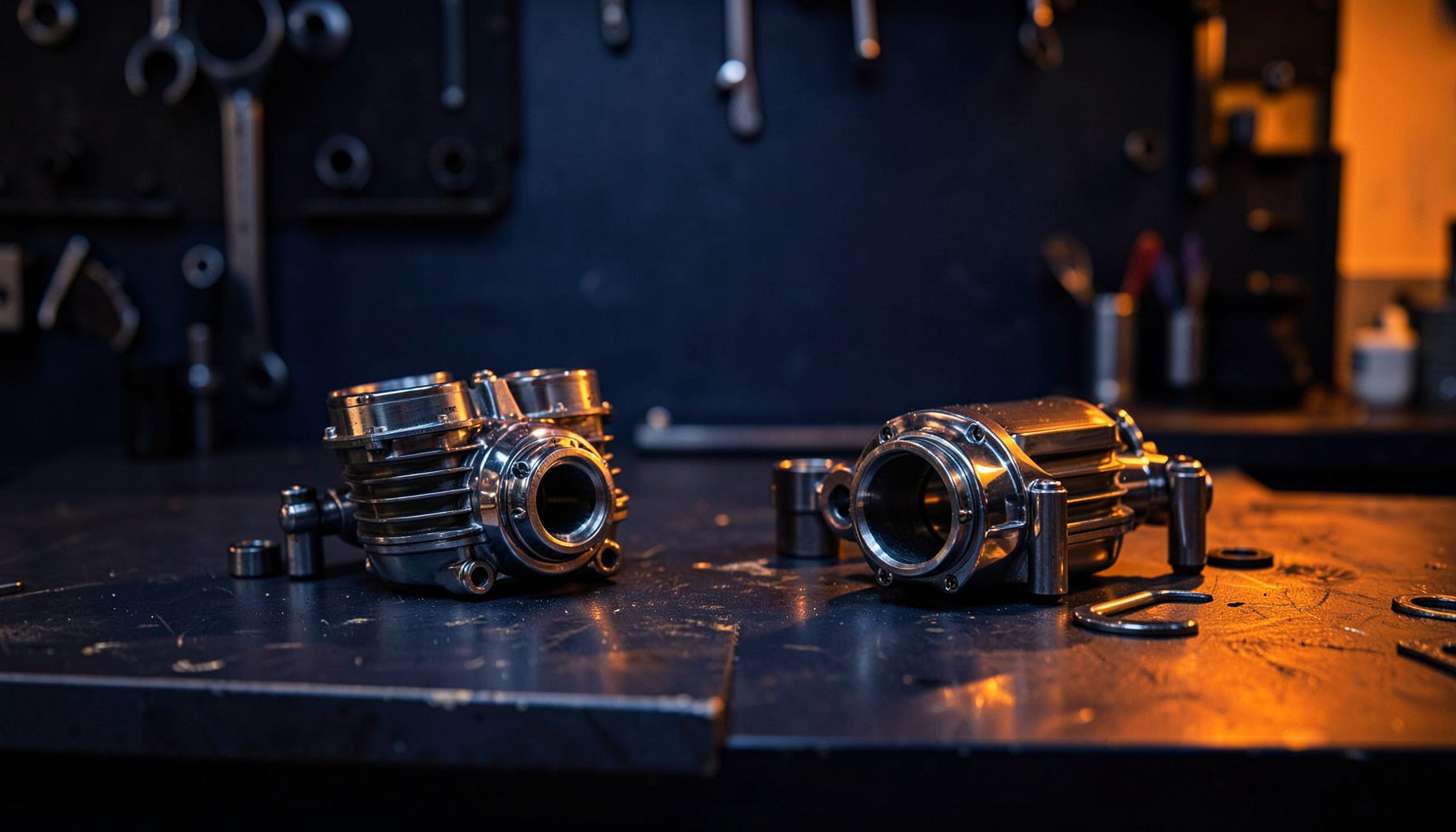
Best motorcycle air filters for improved performance
Choosing the best motorcycle air filters for improved performance is less about chasing the largest airflow figure and more about matching the element to the engine, airbox and riding conditions. A filter that seals correctly and flows freely can help the engine breathe, while a poor fit can allow unfiltered air to enter or create an unnecessary restriction.
The right choice also depends on whether you want original-equivalent reliability or a bolt-on upgrade. Pattern Parts, a Nottingham-based supplier with more than 30,000 motorcycle products, stocks OEM-equivalent replacements and aftermarket tuning equipment, allowing Australian riders to compare practical service parts with higher-flow options.
How motorcycle air filters affect the engine
A motorcycle air filter removes dust, grit, insects and other contaminants before they enter the intake or engine. Its media must balance airflow with filtration. Too restrictive, and the engine may struggle to draw in enough air at high revs; poorly sealed, and it may admit dirt that damages piston rings, bearings and other internal components.
Air restriction is especially noticeable when the engine is working hard, but a larger filter does not automatically create more power. The intake tract, airbox, fuel system and electronic engine controls all influence the result. For everyday street motorcycles, a well-designed filter that maintains a good seal often provides the most useful improvement.
Compare the main filter types
Four styles cover most common motorcycle applications. Each uses a different approach to balancing filtration, airflow, maintenance and cost.
| Filter type | Best suited to | Main strengths | Main compromise | Indicative AU price |
|---|---|---|---|---|
| OE-style foam | Street bikes and regular servicing | Strong sealing, good dust protection, reusable | Needs regular cleaning and correct re-oiling | $20–$70 |
| Panel filter | Models using a flat panel airbox | Simple installation, direct replacement | Paper elements are usually disposable | $25–$90 |
| Oiled cotton performance | Street and spirited riding | High surface area, good airflow, reusable | More expensive and requires maintenance | $60–$180 |
| Open or race element | Track and competition use | Maximum airflow potential | More exposed to dirt and water; possible noise and warranty issues | $120–$300+ |
OEM-style foam filters are often the safest general-purpose choice, particularly for commuting and mixed-condition riding. Panel filters are convenient when the motorcycle uses a conventional flat airbox. Oiled cotton filters suit riders seeking more airflow without replacing the entire intake, while open elements are primarily intended for dedicated competition use.
Match the filter to your motorcycle
Start with the complete motorcycle identification: make, model, year, engine capacity and variant. Similar-looking models can use different airboxes, intake ducts or filter shapes, so a part number is more reliable than the model name alone. Fuel-injected and carburetture-equipped versions may also differ, especially on older bikes.
Next, consider how the filter will be used. A commuter covering short trips around Sydney or Melbourne needs reliable filtration and simple servicing. A rider who regularly carries passengers or climbs steep roads may benefit from a performance filter with additional sealing. Track riders can tolerate more exposed intake components than riders operating in wet, dusty or coastal conditions.
OEM-equivalent versus performance upgrades
An OEM-equivalent replacement is designed to fit the original airbox and reproduce the specified airflow and filtration performance. It is usually the least disruptive option, with no need for modifications. This makes it appropriate for warranty-sensitive bikes, recently purchased motorcycles and riders who prioritise convenience.
A performance filter may use more open cotton media, additional pleats or a different frame to increase surface area. If the intake remains sealed, this can improve airflow and throttle response, particularly with an otherwise standard engine. If the airbox is removed or replaced with an open intake, airflow may increase further, but hot air, road noise and reduced filtration can offset the benefit.
Engine mapping can also influence results. Some motorcycles require revised fuelling or an ECU flash to take full advantage of a freer-flowing intake. A sensible upgrade preserves the closed airbox, uses a suitable gasket and is validated by the motorcycle manufacturer or a reputable tuner.
Get the fit and airflow right
Correct fit means more than the frame entering the airbox. The sealing flange must sit evenly, the clamp should compress the filter in the intended area and no gap should allow air to bypass the media. A filter installed upside down, twisted or distorted may look secure while restricting airflow or admitting contaminants.
Compare published information carefully. Peak airflow alone does not show how a filter behaves under suction or whether it provides an effective seal. Independent tests, filter specifications, motorcycle fitment information and manufacturer guidance offer a more useful basis for comparison. For significant changes, before-and-after dynamometer testing is preferable to estimating power from airflow figures.
Riding conditions across Australia
Melbourne and Sydney riders often experience stop-start traffic, where modest airflow improvements can complement a well-maintained engine. Brisbane brings heavier summer humidity, rain and airborne pollen, making sealing and routine filter inspections especially important. Along the coast, salt-laden air can also collect around intake components and corrode exposed mesh.
Central Australian riding presents a different challenge. Dust, corrugated tracks and long distances between services can load an air filter heavily, while high ambient temperatures reduce the density of the intake air. A reusable foam element can be useful in these conditions, but it should be cleaned and inspected frequently rather than left to accumulate fine grit.
Pattern Parts is based in the UK, so Australian purchases may be treated as imports. GST generally applies to low-value imported goods, and customs duty can also apply when the consignment exceeds the current A$1,000 low-value threshold. Freight and declared value may affect the final amount, so buyers should check the checkout and any import information carefully.
Choose and order with confidence
Before fitting any filter, inspect the airbox, intake duct, gasket and clamp for damage or oil contamination. Foam and cotton elements should be cleaned according to the manufacturer’s instructions, allowed to dry completely and re-oiled with the correct product. Paper and disposable media must never be oiled, and aggressive solvents or high-pressure cleaning can damage filter media.
Keep the purchase details and fitment records for future servicing or warranty discussions. Under Australian Consumer Law, goods must be fit for their disclosed purpose, while an incorrect motorcycle fitment can make it difficult to resolve a problem. Performance modifications may also affect manufacturer warranty considerations, so checking the bike maker’s guidance is sensible.
For a replacement or upgrade, enter the exact motorcycle details at Pattern Parts, compare the available OEM-equivalent and performance air filters and confirm the intake arrangement before checkout. With the correct model-specific part selected, riders can enjoy cleaner intake air, more consistent breathing and performance suited to their Australian riding conditions.