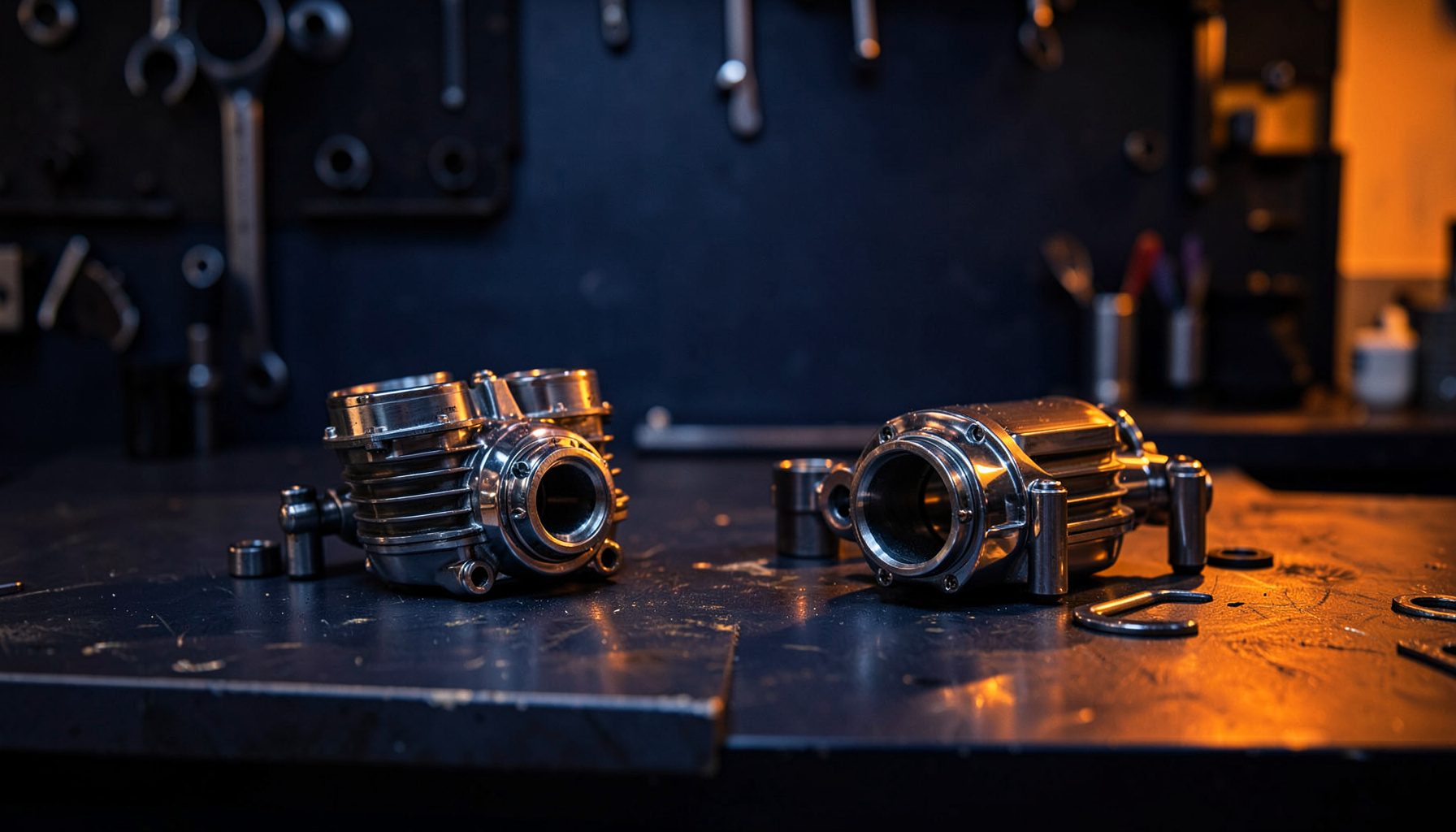
The best motorcycle parts to upgrade for track days
A track day exposes weaknesses that are easy to overlook during normal road riding. Braking zones arrive faster, tyres work harder, suspension loads change from corner to corner, and a motorcycle that feels perfectly capable on the street may need more control and consistency on a circuit.
The most effective upgrades are usually not the loudest or most powerful parts. Brake components, suspension settings, tyres, drive components and rider controls can produce a larger improvement in lap time and confidence than expensive engine modifications. Reliability matters just as much, particularly when travelling to a circuit several hours from home.
Australian riders have a wide choice of venues, from Phillip Island and Sydney Motorsport Park to Queensland Raceway, Morgan Park and The Bend Motorsport Park. Each circuit places different demands on a motorcycle, so select parts according to your bike, riding level and local conditions rather than buying upgrades purely for appearance.
Improve braking performance first
High-friction motorcycle brake pads are one of the most practical track day upgrades. Track-focused compounds can provide stronger initial bite and maintain friction through repeated heavy braking. A suitable pad should still offer predictable control when cold, since many riders travel to the circuit on the same motorcycle and may need to use the brakes in the paddock or on public roads.
Fresh brake fluid is equally important. Fluid absorbs moisture over time, which can lower its boiling point and create a soft lever during extended use. A high-temperature racing fluid, installed and bled correctly, helps maintain a firm feel. Braided brake lines can further improve lever consistency by reducing expansion under pressure, especially on older machines with original rubber lines.
Check rotor thickness, caliper condition and pad fitment before ordering parts. A superbike used at The Bend may need a different braking solution from a lightweight road bike running at a technical venue such as Morgan Park. Always confirm compatibility with the exact model and year.
Match tyres and suspension to the circuit
Track-oriented tyres offer a useful balance of grip, feedback and stability, but they need to operate within their intended temperature range. Some road-legal performance tyres work well for occasional track days and are easier to manage during transport and changing weather. More specialised compounds can deliver greater grip, though they may need warmers, careful pressure management and a rider who can maintain sufficient pace.
Australian conditions can make tyre selection particularly important. A hot summer day at Sydney Motorsport Park or Queensland Raceway can raise surface temperatures quickly, while a cooler morning at Phillip Island can leave a tyre below its ideal operating range. Follow the tyre manufacturer’s pressure guidance and adjust only with a clear understanding of carcass design and track conditions.
Suspension upgrades often provide a greater improvement than engine power. Fork springs matched to rider weight, refreshed fork oil, a quality rear shock and adjustable damping can improve stability under braking and traction on corner exit. Before replacing major components, set sag, check preload and make sure the suspension is serviced. A correctly adjusted standard system may outperform an expensive unit with poor settings.
Strengthen the chain and final drive
The chain and sprockets transfer every improvement in engine performance to the rear wheel. A high-quality sealed chain can offer dependable strength and reduced friction, while new sprockets prevent accelerated wear and maintain accurate engagement. Replace worn chain and sprockets as a matched set rather than fitting a new chain to damaged teeth.
Changing final-drive gearing can suit a particular circuit. A larger rear sprocket or smaller front sprocket can improve acceleration out of slower corners, while taller gearing may reduce unnecessary shifts on a fast circuit. The correct choice depends on the motorcycle’s standard gearing, engine characteristics and track layout. At Phillip Island, for example, a gearing decision may have different consequences from one made for a tight club circuit.
Inspect chain slack at the manufacturer’s recommended position and account for suspension movement. Track use puts extra load through the final drive, so check fasteners, sprocket carrier bearings and cush-drive rubbers during preparation. Correct alignment is essential for handling, chain life and rider confidence.
Choose engine upgrades for reliability
Air filters and exhaust systems can improve throttle response and reduce weight, but they should be selected as part of a balanced package. A freer-flowing intake or exhaust may require fuel tuning to deliver its full benefit. On fuel-injected motorcycles, suitable ECU calibration can help match the engine to the new airflow and avoid an excessively lean or poorly controlled response.
Big bore kits, high-compression components and aggressive camshaft changes can produce substantial power, yet they are rarely the first choice for a casual track-day machine. Extra output can increase heat, clutch load and service requirements. A dependable engine with clean cooling passages, fresh oil, a healthy charging system and accurate fuelling is usually more valuable over a full day of riding.
Before fitting performance engine parts, inspect valve clearances, spark plugs, coolant hoses and oil seals. Australian track operators and motorcycle clubs may have noise limits, so an exhaust that sounds acceptable on the road could create problems during a circuit’s sound check. Keep the original parts available in case the motorcycle needs to return to road specification.
Upgrade rider controls and track preparation
Adjustable rearsets can improve ground clearance and allow riders to position the foot controls for their leg length and riding style. Adjustable levers, a quick-action throttle and a well-maintained clutch can also make control inputs more precise. These changes should be tested progressively because an unfamiliar riding position can create fatigue or interfere with normal road use.
A quickshifter may reduce interruption during upshifts, while a steering damper can add stability when acceleration unloads the front wheel. These components need correct installation and setup; poor adjustment can make gear changes harsh or introduce resistance into the steering. Electrical upgrades should include secure connectors, protected wiring and a battery in good condition.
Track preparation also involves removing unnecessary items, securing the battery, checking wheel fasteners and inspecting brake pad thickness before each session. In Australia, riders often transport bikes long distances to venues such as The Bend from Adelaide or Phillip Island from Melbourne, so build in time for a full inspection after the journey. Carry replacement consumables, tools and basic spares rather than relying on a nearby motorcycle shop to stock an exact fitment.
Browse Pattern Parts for brake components, chains, sprockets, filters, electrical parts, exhausts and engine spares suited to a wide range of motorcycle brands. Confirm the model and year, compare road and track requirements, and use the available maintenance guidance to prepare a motorcycle that is faster, more controlled and dependable throughout the day.