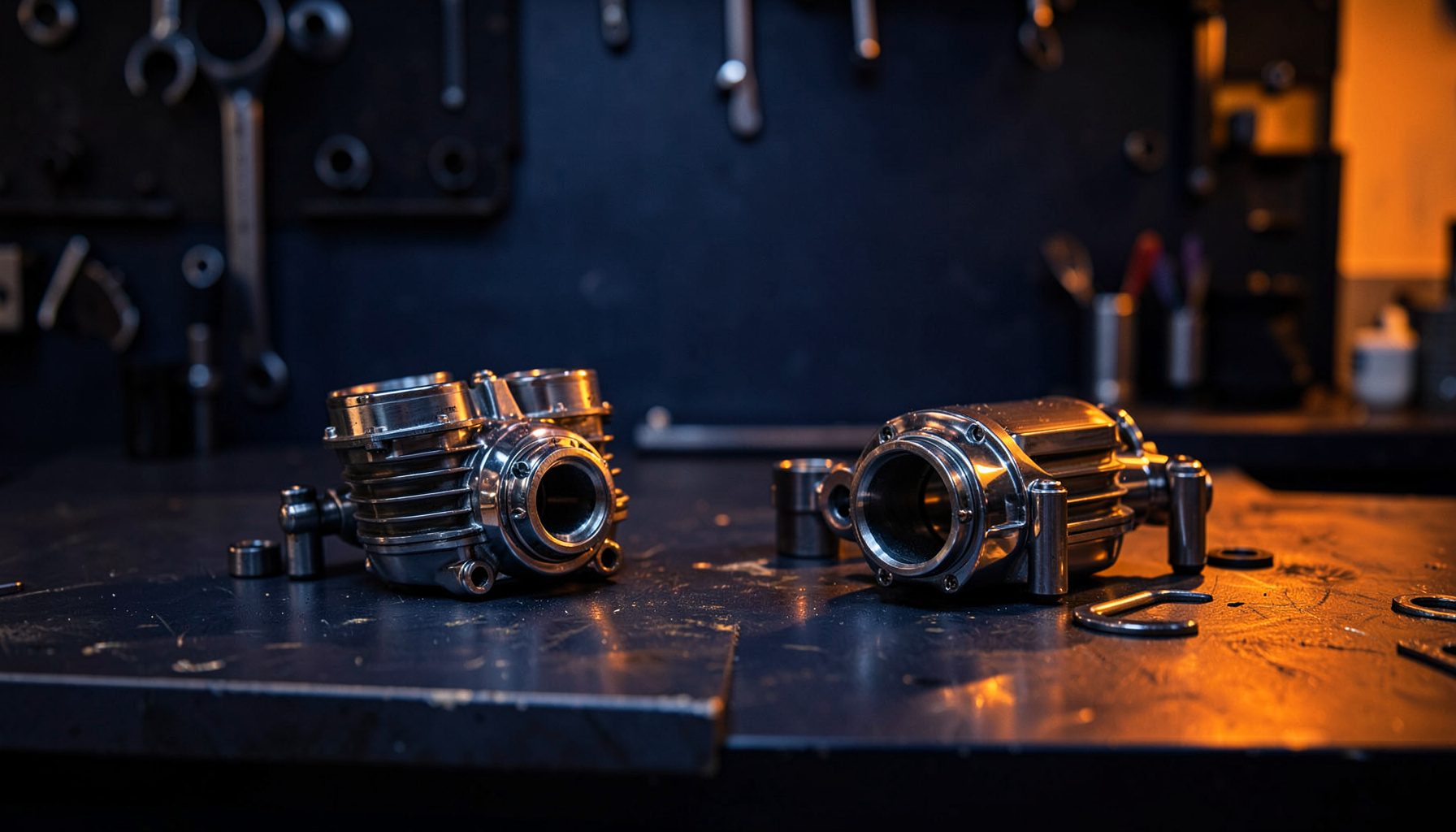
Essential tools for motorcycle maintenance at home
Working on your own bike in a home garage is one of the most rewarding habits a rider can develop. It saves money, deepens your understanding of the machine and turns routine chores into satisfying weekend projects. For Australian riders who often clock serious kilometres between capital cities — Sydney to Melbourne, Brisbane to Cairns, Perth to the mining regions — keeping a bike in top condition is not optional, it is essential for safety and longevity.
The right gear also helps you adapt to the country's varied conditions. Dusty outback tracks, salt-laden coastal air in places like Newcastle or Wollongong, and the sudden temperature drops of a Tasmanian winter all place different stresses on drivetrain components, brakes and electrical systems. With a modest collection of quality tools, most of these routine tasks can be tackled in your own shed.
Before diving into the toolbox, it helps to think about what jobs you realistically want to handle yourself. Oil changes, chain maintenance, brake checks, air filter cleaning and basic electrical work are well within reach of a home mechanic with a few hours to invest. Choosing tools that match those tasks keeps your initial outlay sensible while still leaving room to grow.
Building a practical home workshop
A workable home workshop starts with space, light and a flat surface. Many Australian riders use a corner of a single-car garage, a converted carport in Adelaide, or a standalone Colorbond shed in a Perth backyard. The key ingredients are a stable bench at standing work height, bright LED lighting that does not cast shadows on small parts, and a floor that can handle the occasional spill of oil or coolant.
Storage matters more than most beginners expect. A simple pegboard above the bench keeps frequently used spanners and screwdrivers within arm's reach, while a stack of labelled plastic drawers is perfect for storing spare nuts, bolts and consumables. Magnetic strips work well for metal tools, and a small parts tray prevents the inevitable scattering of clips and circlips on the floor.
Climate is worth considering too. Garages in Hobart or Canberra can become genuinely cold during winter, and working with numb fingers is frustrating and unsafe. A small bar heater or a compact home heating setup can transform a chilly workspace into a year-round maintenance bay, and it pays for itself the first time you tackle a chain replacement on a frosty Sunday morning.
The core hand tools every rider needs
A solid set of hand tools is the foundation of any home maintenance routine. A metric combination spanner set, typically 8 mm to 19 mm, covers the bulk of fasteners found on Japanese, European and increasingly popular Indian-built machines. Add a comprehensive socket and ratchet set, ideally with both 3/8-inch and 1/2-inch drives, and you will be able to tackle everything from a sprocket nut to a triple clamp pinch bolt.
Screwdrivers, pliers and hex keys round out the basics. A quality set of T-handle hex and Torx keys speeds up bodywork removal dramatically, while a long-reach needle-nose plier is invaluable for reaching hose clips and small electrical terminals. Many riders in Australia find that a 90-degree pick set is surprisingly useful for removing old O-rings and gaskets without scoring soft alloy surfaces.
A torque wrench is often overlooked by beginners, yet it is arguably the most important tool in the box. Manufacturers specify torque values for critical fasteners such as axle nuts, head bolts and brake caliper bolts, and guessing these settings can lead to stripped threads or, worse, components working loose at highway speed. A click-type torque wrench in the 20 Nm to 100 Nm range is a sensible first purchase.
Specialty tools that earn their place over time
Once the basics are covered, a handful of specialty tools can lift your workshop from amateur to genuinely capable. A motorcycle scissor jack or a small hydraulic lift makes wheel removal and chain service far easier, especially on heavier bikes like adventure tourers popular on routes from Alice Springs to Cairns. Chain maintenance is also made much simpler with a dedicated chain breaker and rivet tool, rather than improvising with hammers and grinders.
A compression tester and a basic multimeter open the door to diagnostic work. Riders exploring a single or in remote areas benefit hugely from being able to check battery voltage, test for parasitic drain and measure cylinder compression without a trip to a workshop. Similarly, a brake bleeder kit makes brake fluid renewal a one-person job rather than a coordination exercise with a helper.
For those tackling suspension work, a sag scale and a fork oil level gauge are inexpensive but game-changing. They allow proper setup of preload and sag for different riding styles, whether you are commuting through Melbourne traffic or loading up for a weekend trip along the Great Ocean Road.
Safety gear you should never skip
A motorcycle workshop carries the same hazards as any mechanical space, and personal protection matters. Safety glasses are the single most important item, particularly when working with compressed air, springs or grinding debris. Australian summer garages in places like Rockhampton or Broome can hit brutal temperatures, so breathable workshop clothing and a steady water supply are equally important.
Mechanic's gloves protect against cuts, hot exhaust components and chemical exposure from brake cleaners and solvents. Hearing protection is wise when using impact tools or angle grinders, and a basic dust mask is essential when handling brake dust, which can be a genuine health hazard. A fire-resistant mat under any welding or grinding work prevents sparks from reaching concrete or timber surfaces.
Keep a stocked first-aid kit close at hand and know the location of the main electrical isolation switch for the garage. Many suburban Australian homes have a dedicated workshop circuit, and knowing how to cut it quickly is part of workshop routine, not paranoia.
Cleaning, lubrication and consumables
Cleaning is half the maintenance battle, especially in dusty environments. A pressure washer, used carefully at a sensible distance, makes short work of grime on wheels and lower fairings. A can of degreaser, a handful of microfibre cloths and a soft brush for those hard-to-reach areas around the swingarm will leave any bike looking almost new.
Lubricants and fluids are consumables that always need replacing. Quality engine oil matched to the manufacturer's grade, brake fluid of the correct DOT rating, fork oil for suspension work and chain lubricant suited to either road or off-road conditions are staples. Riders covering long gravel stretches in the Flinders Ranges or the Kimberley benefit from a heavier chain lube that resists fling-off.
Keep an organised shelf of common consumables, including spare fuses, a few spare bulbs, cable ties, a roll of electrical tape and a small tube of silicone sealant. These low-cost items resolve a surprising number of roadside issues before they become workshop jobs.
Comparing the core tool categories
| Tool category | Typical AUD price | Best suited for | Skill level |
|---|---|---|---|
| Spanner and ratchet sets | $80 – $250 | General fastener work | Beginner |
| Torque wrench | $90 – $220 | Critical fastener tensioning | Beginner to intermediate |
| Chain maintenance kit | $60 – $180 | Chain cleaning and replacement | Intermediate |
| Motorcycle jack or stand | $120 – $450 | Wheel removal and storage | Intermediate |
| Multimeter and diagnostic tools | $40 – $160 | Electrical troubleshooting | Intermediate |
| Brake bleeder kit | $30 – $90 | Brake fluid renewal | Beginner |
Choosing tools that match the maintenance you actually plan to do keeps spending focused. Beginners benefit most from a solid hand tool foundation and a torque wrench, while more experienced riders gradually add specialty equipment as confidence and projects grow.
Browse the full catalogue at Pattern Parts to find replacement components, consumables and workshop gear for almost every make and model on Australian roads. With the right tools, a little patience and a regular maintenance schedule, your bike will be ready for whatever the next ride brings — whether that is a coastal run up to Byron Bay, a desert crossing or simply the daily commute.