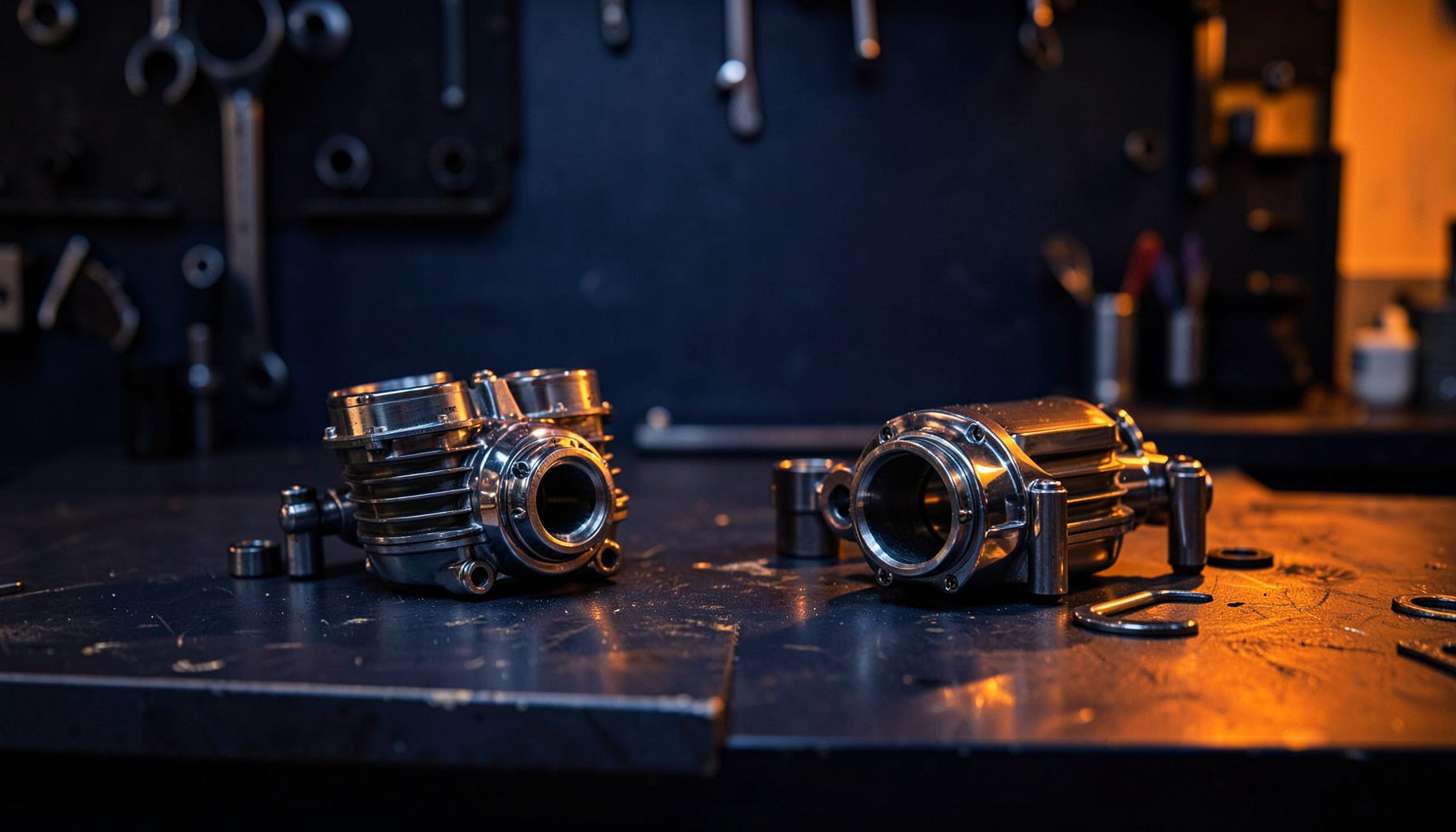
Difference between motorcycle oil and gearbox oil for wet clutches
A wet-clutch motorcycle makes lubrication more complicated than choosing a strong oil for the engine. Its clutch, gears and bearings may share the same oil supply, yet each component needs a fluid with different working properties. Motorcycle oil and gearbox oil serve different purposes in this arrangement, and choosing the wrong one can cause slipping, judder or premature wear.
The product labels and owner’s manual provide the starting point, not a simple rule about which bottle goes where. Engine oil lubricates and cools while circulating through the clutch; gearbox oil protects toothed components and may live in a separate compartment. Some motorcycles also use dedicated final-drive oil. Checking the design first prevents an expensive mistake.
What a wet clutch shares with the engine
A wet clutch uses friction plates and steel plates housed in a basket beside the crankshaft. Engine oil bathes those plates, providing lubrication, cooling and the controlled friction needed for the clutch to transmit torque. Unlike a dry clutch, the design depends on circulating oil rather than keeping the friction surfaces completely dry.
In many machines, that same oil then travels through the gearbox to reach gear teeth, shafts and bearings. Some designs keep the transmission in a separate oil space, while the rear-chain final drive may have its own lubricant. The owner’s manual identifies these layouts.
Why friction compatibility matters
Clutch operation depends on a stable balance between grip and slip. Oil that is too slippery can allow the plates to continue slipping under power; oil with unsuitable friction characteristics can make engagement abrupt or produce shudder. Heat generated in heavy traffic or by repeated hill starts can change that balance, causing symptoms that seem intermittent. Organic, sintered and other friction materials can also respond differently to additives.
Motorcycle oils intended for wet clutches are formulated to work with those materials, often carrying JASO MB approval. A general automotive engine oil, or a product chosen only for its viscosity, can interfere with clutch friction. The result may be a slipperier clutch, rattling or chattering engagement, or faster wear. The correct specification comes from the motorcycle manufacturer.
The separate job of gearbox lubricant
Gearbox oil forms a durable film between meshing teeth, rolling bearings and synchroniser components. It resists the loads, shear and heat created when changing gear. The required viscosity, additive package and quantity can differ from the engine oil, because the clutch may need a different friction profile even when both fluids share a sump.
Checking the manual also tells you whether the final drive shares the transmission oil. That rear sprocket and chain can work under substantial loads, including a heavier rider, luggage or an approved ute-towing setup. A dedicated final-drive lubricant may be specified for that job. Do not substitute one product for another merely because both are sold as motorcycle oils.
Reading the oil specification correctly
Start with the exact oil specification and capacity listed for the model and year. Look for the required viscosity grade, such as 10W-40, but do not treat that number as the complete instruction. A viscosity grade describes flow behaviour; it does not confirm wet-clutch compatibility. Check for JASO MB or the manufacturer’s own approval, and follow any synthetic or mineral-oil requirement.
Then confirm where each fluid belongs. Some manuals call for engine oil in both the crankcase and gearbox, while others prescribe a distinct gear oil with its own grade, volume and drain procedure. An oil-filler label can conceal important details, so record the product name, grade and approval from the manual before buying. Changing fluids also calls for the specified drain plugs, sealing washers and tightening torque. Overfilling can cause churning, aeration, foaming and leaks; underfilling leaves components without adequate protection.
Recognising the wrong fluid early
Watch the lever and the behaviour at low speed. A healthy wet clutch should release cleanly, engage progressively and pull the bike without continued slip. Judder when pulling away, a snappy engagement, rising RPM while the speed does not increase, or a hot smell after a trip are useful warning signs. These issues can also come from worn plates, cable adjustment or a damaged friction material.
If slip appears, have the clutch checked rather than compensating with a thinner oil or a different lever position. A workshop can measure free play, inspect the plates and confirm the oil specification. Riding a slipping clutch can burn friction material and damage the basket.
Australian riding conditions and maintenance
Australian conditions add useful stress tests. Stop-start commuting around Melbourne and Sydney can heat the oil and exercise the clutch repeatedly. Central Australian summer temperatures can exceed 40°C, and dusty outback routes call for the manual’s inspection schedule.
Load and towing expose the whole drivetrain to higher forces. If a motorcycle is approved for towing behind a ute, observe its load limits and use the specified lubricant for both gearbox and final drive. Tyre setup matters too: this guide to motorcycle tyre pressure explains how pressures change for different riding conditions, loads and temperatures.
Australian riders service a mixed local fleet of Japanese, European and older second-hand motorcycles, so the exact model specification matters more than brand reputation. State roadworthiness rules in Victoria and Queensland require vehicles to be safe and fit for use. A slipping clutch or leaking gearbox is not a cosmetic defect.
Building a reliable service routine
A dependable service routine makes fluid selection much easier. Record the date, mileage and product used at each change, then compare the bike’s clutch feel and gearbox noise with the previous visit. Keep the oil level within the manual’s range using its checking procedure. Watch for leaks around the sump plug, gearbox seals and final-drive housing, especially after a wash.
Use the specified products and replace sealing washers where required. Clean the strainer or magnetic plug when the manual directs you to, and check the clutch cable or hydraulic lever for correct free play. Ask the workshop whether heavy commuting, dusty roads or towing calls for a shorter inspection interval.
The right fluid allows a wet clutch to grip predictably and keeps the gearbox protected under Australian heat, traffic and load. Select the exact specification for the motorcycle, not a general substitute or the strongest oil on the shelf. Correct fluid is one part of a safe, serviceable machine.
Choose the specified fluids and service parts from Pattern Parts’ range of more than 30,000 motorcycle products, including filters, chains, sprockets and engine components. Book the service recommended in your owner’s manual and equip the bike with the right parts for its next fluid change.