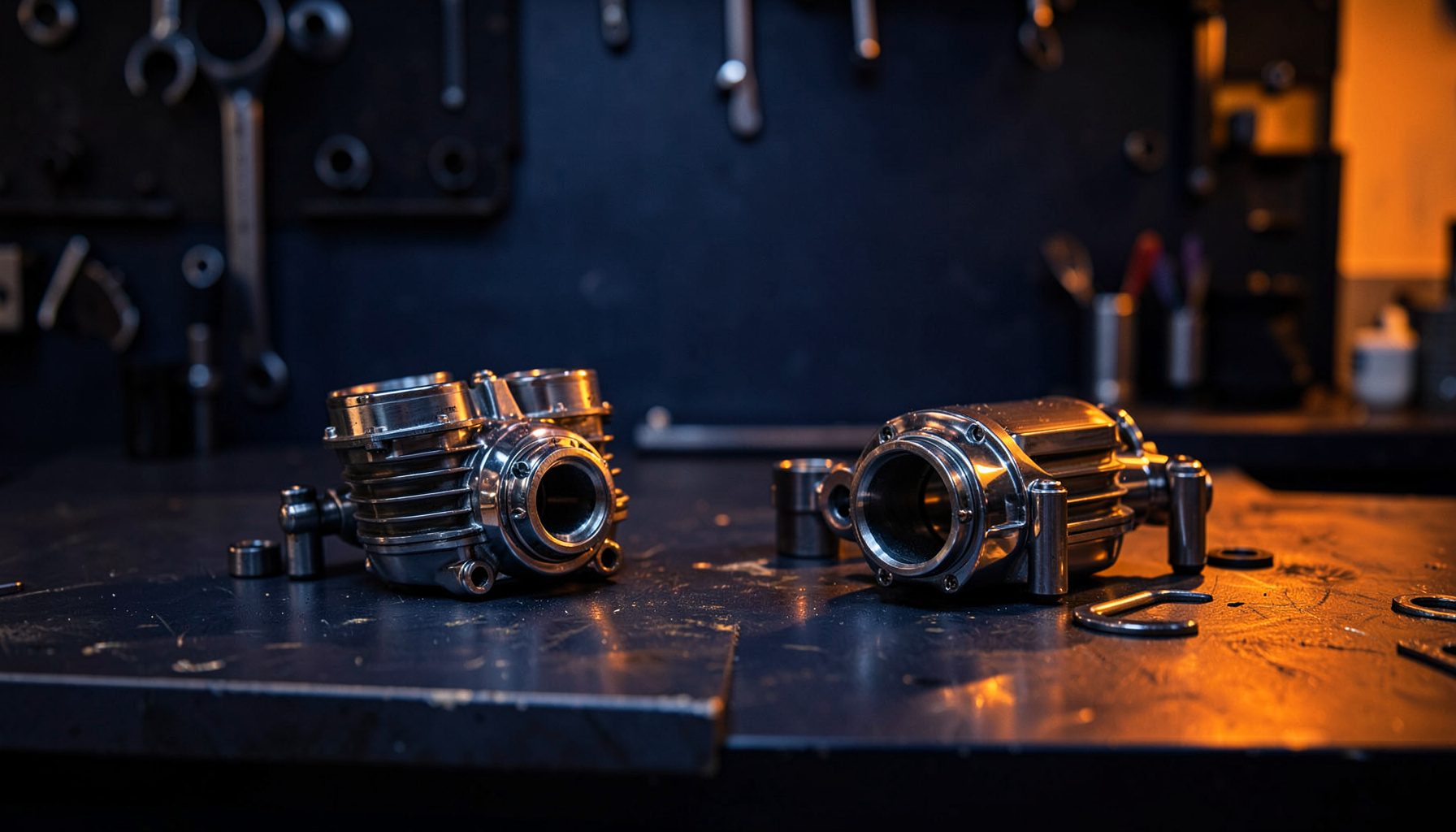
OEM And Aftermarket Motorcycle Exhaust Systems Explained
Choosing an exhaust system can change far more than the sound of a motorcycle. The right setup may improve throttle response, reduce weight, sharpen appearance, or support engine tuning. The wrong one can create excessive noise, poor fuelling, reduced ground clearance, and problems with registration or roadside compliance.
For Australian riders, the decision also depends on where and how a bike is used. A commuter travelling through Sydney, a weekend rider on the Great Ocean Road, and an owner touring regional Queensland may need very different priorities. Understanding the distinction between OEM and aftermarket exhausts makes it easier to choose a legal, practical, and well-matched replacement.
What OEM Exhaust Systems Offer
OEM, or original equipment manufacturer, exhausts are designed for a specific motorcycle model and engine configuration. The header pipes, muffler, catalytic converter, mounting points, heat shields, oxygen sensor fittings, and exhaust valve systems are developed as part of the complete motorcycle package.
That factory integration usually delivers predictable performance. An OEM silencer tends to work smoothly with the standard airbox, fuel injection mapping, emissions equipment, and noise controls. It is also the simplest choice when a motorcycle must retain its original specification for a warranty claim, inspection, or resale.
Factory exhausts are often quiet and durable, although they can be heavy because they include substantial baffling, emissions hardware, and heat management. Replacement cost can also be high, particularly for newer models from major brands such as Honda, Yamaha, Kawasaki, Suzuki, BMW, and Ducati.
How Aftermarket Exhausts Differ
Aftermarket exhaust systems are produced by specialist manufacturers rather than the motorcycle brand. They range from replacement slip-on mufflers to complete systems incorporating new headers, a collector, link pipe, and silencer. Materials may include stainless steel, aluminium, titanium, or carbon fibre.
A slip-on usually changes the muffler while retaining the original headers and catalytic converter. This is often the most straightforward upgrade for a road bike. A full exhaust system can deliver greater weight savings and increased gas flow, but it may need fuel adjustment, an ECU flash, or a piggyback controller to work properly.
The result depends heavily on the design. A reputable aftermarket exhaust can improve response and produce a deeper exhaust note, while an oversized or poorly matched system may reduce low-speed torque. Loudness alone is not evidence of improved performance, especially on a standard engine.
Performance, Sound, And Weight
The principal attraction of an aftermarket motorcycle exhaust is often weight reduction. Removing several kilograms from high on the motorcycle can make direction changes feel easier and may improve the bike’s balance. The difference is generally more noticeable on sports bikes, adventure motorcycles, and machines with large factory silencers.
Performance gains are more complex. Free-flowing headers and mufflers can help an engine breathe at higher rpm, but the engine still needs the correct air-fuel mixture. On a fuel-injected bike, altered exhaust flow may create flat spots, popping on overrun, or a lean condition if the ECU cannot compensate.
Sound is another major factor for Australian owners. A system that sounds exciting on an open road may be tiring during a daily Melbourne commute or irritating in a quiet suburban street. Baffle removal and “race use only” components can also turn an otherwise suitable exhaust into a compliance risk.
Legal Requirements In Australia
Australian exhaust rules are governed by national design requirements and state or territory enforcement. ADR 83/00 covers external noise emissions for many motorcycles, while emissions equipment and catalytic converters may also be relevant to the vehicle’s approved configuration. Exact inspection and enforcement practices vary between jurisdictions.
A replacement exhaust should be intended for the specific model and carry appropriate compliance information where required. New South Wales, Victoria, Queensland, Western Australia, South Australia, Tasmania, the ACT, and the Northern Territory can apply different registration inspection processes and defect enforcement. A system accepted in one state should not automatically be assumed legal everywhere.
Removing a catalytic converter, disabling an exhaust valve, fitting an unbaffled muffler, or using a race-only header can create issues at inspection and during a roadside noise check. Riders should check current guidance from their state transport or road authority before buying, particularly when a motorcycle is used on public roads rather than at a circuit.
Fitment And Compatibility Checks
Correct fitment involves more than selecting the right engine capacity. Model year, variant, oxygen sensor position, emissions specification, ABS hardware, centre-stand clearance, pillion footrests, and luggage mounts can all affect compatibility. Some exhausts fit a standard bike but interfere with panniers or an aftermarket rear shock.
Check whether the product is a slip-on, de-cat link pipe, or complete header system, and confirm what original parts must be retained. It is also important to inspect the gasket, springs, clamps, heat shields, and mounting brackets included with the kit. A professional installation can prevent leaks and ensure that the system is not placing stress on the cylinder-head studs.
Exhaust modifications often form part of a wider tuning project. If gearing is being changed at the same time, this guide to choosing chain and sprocket kits can help keep the final drive matched to the bike’s use.
Choosing For Australian Riding Conditions
Urban riding in Sydney, Melbourne, and Brisbane places a premium on manageable noise, smooth low-speed response, and heat control. A compact slip-on with a functioning dB killer may offer the visual and weight benefits of an upgrade without making everyday traffic unpleasant. In hot Queensland conditions, quality heat shielding and durable finishes are particularly valuable.
Riders covering long distances through regional New South Wales or Western Australia should prioritise corrosion resistance, secure mounting, and serviceable packing. Stainless steel is often a sensible choice for all-weather use, while titanium reduces weight but can cost more and may show heat discolouration.
Australian motorcycles also face long touring distances, dust, rain, and varying fuel availability. A dramatic change in exhaust flow may require tuning that is inconvenient far from a workshop. For a standard touring or adventure bike, a modest, model-specific system can be more useful than a maximum-flow racing exhaust.
Cost, Maintenance, And Long-Term Value
OEM exhausts generally cost more to replace, but their direct fitment and factory finish can support resale value. They are also easier to explain to a future buyer who wants an original motorcycle. Used OEM parts may be available through breakers, although dents, internal corrosion, damaged mounting points, and failed catalytic components need careful inspection.
Aftermarket systems offer a wider range of prices and appearances. Budget mufflers can be appealing, but poor welds, thin materials, weak springs, and inaccurate brackets may lead to rattles or leaks. Established manufacturers usually provide clearer fitment information, replacement packing, spare parts, and documented noise or emissions testing.
Any exhaust should be checked periodically for loose fasteners, cracked brackets, blown gaskets, damaged packing, and carbon marks around joints. Stainless steel can still stain, and carbon-fibre sleeves need inspection for heat damage. Keeping the original exhaust stored safely is wise if the motorcycle may later be sold or returned to factory specification.
Making The Right Exhaust Choice
OEM is usually the strongest option for quiet operation, factory calibration, straightforward compliance, and dependable resale value. It suits riders who want the motorcycle to behave exactly as designed and who prefer minimal modification.
An aftermarket exhaust is more suitable when reduced weight, improved appearance, a different sound, or carefully planned engine tuning is the priority. The best choice is a model-specific, road-legal system that works with the existing fuel system and retains required emissions and noise equipment.
Before ordering, confirm the motorcycle’s exact year and variant, review legal requirements in the state where it is registered, and decide whether the bike is used mainly for commuting, touring, spirited road riding, or track work. Browse compatible exhaust components and supporting motorcycle parts at Pattern Parts, then choose a system that improves the bike without compromising reliability or legal road use.