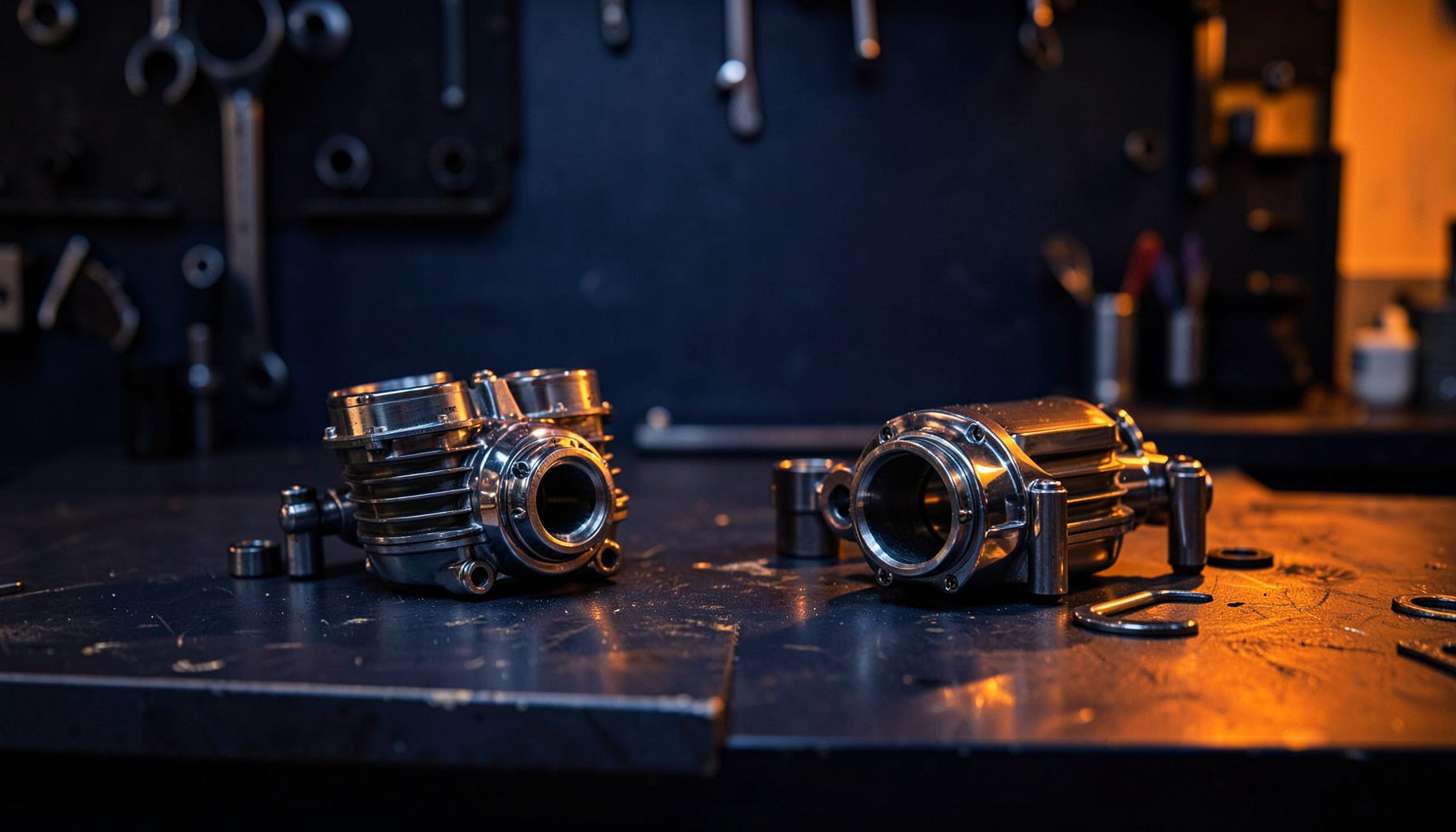
The Essential Motorcycle Toolkit For Long Distance Touring
A long ride across Australia demands more than a tyre-pressure gauge and a multitool. Remote distances, rough gravel shoulders, intense heat and limited mobile coverage can turn a small mechanical fault into a serious delay. A carefully selected motorcycle toolkit helps you diagnose common problems, make temporary repairs and reach the next roadhouse with confidence.
The best touring kit is compact, durable and matched to your motorcycle. A weekend ride through the Blue Mountains may need a different approach from a crossing of the Nullarbor Plain or a trip along the Stuart Highway. Carry tools for realistic roadside repairs, then test everything before leaving your driveway.
Build Around Recovery
Start with the failures most likely to stop your bike: punctures, a flat battery, a loose chain, blown fuses and damaged controls. Tubeless motorcycles need a quality puncture-repair kit, reamer, insertion tool, rubber plugs and a way to inflate the tyre. Riders on tube-type wheels should carry tyre levers, patches, spare tubes and a compact pump.
A small socket set, combination spanners, Allen keys and Torx bits should fit the fasteners used on your specific motorcycle. Add a ¼-inch ratchet, extension bar and adjustable wrench, but avoid filling the panniers with tools you cannot use. Check your owner’s manual and practise removing bodywork, accessing the battery and adjusting the chain.
Choose Tools That Suit Australian Roads
Australian touring can involve long stretches between services, especially when heading west from Norseman or north through the Northern Territory. A reliable head torch, work gloves and reflective vest are valuable when a repair takes place beside the road after sunset. Keep drinking water separate from your tools and never assume the next servo will be close.
Dust and corrugations can loosen fasteners, while sudden rain can expose weak electrical connections. Pack thread-locking compound, cable ties, duct tape, self-amalgamating tape and a few lengths of safety wire. These items are light, inexpensive and useful for securing a loose guard, protecting a cable or holding a cracked fairing until proper repairs are available.
Cover Electrical And Control Problems
Electrical faults are difficult to diagnose in poor light, so include a compact multimeter, spare fuses and a test light. A few crimp connectors, insulated wire, electrical tape and small screwdrivers can help bypass a damaged connection. Carry a battery lead or jump-start pack that is rated for your engine size, and check its charge before every major trip.
Control cables and levers deserve particular attention. A spare clutch cable, cable ties and a universal emergency cable can keep an older motorcycle moving after a failure. Inspect the throttle, clutch and brake operation during fuel stops. If you carry personal electronics on tour, store their leads and approved vaping supplies in a separate waterproof pouch so they do not become tangled with repair gear.
Match The Kit To The Motorcycle
There is no universal touring toolkit. A chain-drive adventure bike needs chain lubricant and a method for adjusting axle hardware, while a shaft-drive tourer has different inspection needs. A motorcycle with spoked wheels may require spoke tools and spare nipples, whereas a cast-wheel machine benefits more from valve-core tools and a bead-sealing solution.
| Toolkit Item | Best Use | Packing Note |
|---|---|---|
| Tyre plug or patch kit | Repairing a puncture | Keep it accessible, not beneath all luggage |
| Compact air compressor | Restoring tyre pressure | Test it from the motorcycle socket |
| Multimeter and spare fuses | Finding electrical faults | Pack in a sealed pouch |
| Chain tool and spare master link | Repairing a damaged drive chain | Match the chain size exactly |
| Cable ties, tape and wire | Temporary structural repairs | Carry several lengths and widths |
| First-aid and protective gloves | Protecting rider and hands | Replace used or expired items |
Before departure, confirm that your axle sockets, spark plug socket and wheel-removal tools actually fit. Some factory toolkits omit the leverage needed to undo tight fasteners. A short breaker bar or compact length of pipe can make a difference, provided it fits safely in your luggage and does not damage the tool.
Prepare For Heat, Dust And Distance
Heat affects tyres, batteries, electronics and the rider. Check tyre pressures when cold, inspect tread for cracking and monitor pressure changes as the day warms. A battery that starts reliably in cool Melbourne weather may struggle after hours parked in direct sun near a remote Queensland fuel stop.
Use sealed bags or roll-top pouches for sensitive tools and electrical parts. Fine dust can work into switches, connectors and pump mechanisms, while wet-weather riding around the tropics can promote corrosion. Apply a light protective spray to suitable metal tools and keep a small rag available for cleaning chain lubricant and grime from your hands.
Pack By Repair Priority
Organise the motorcycle toolkit so the items needed beside the road are immediately reachable. Put puncture equipment, the pump, gloves, torch and basic hand tools in an external pannier pocket or top box. Heavier tools should sit low and close to the motorcycle’s centreline to avoid upsetting handling.
Useful checks before rolling out include:
- Confirm the pump, jump pack and torch are charged.
- Match spare fuses, plugs and cables to the motorcycle.
- Test wheel and axle tools on the actual bike.
- Replace damaged tape, worn plugs and expired first-aid items.
Carry consumables in labelled bags rather than loose inside a tool roll. A spare master link, valve cores, replacement bulbs, nuts, bolts and washers can save a long wait for parts. Keep a written list of your motorcycle’s oil grade, fuse ratings, tyre sizes and chain specification in the kit or on your phone.
A sensible inspection routine includes:
- Check fasteners, controls and chain tension each morning.
- Look for nails, cuts or embedded stones in the tyres.
- Inspect luggage mounts after corrugated-road sections.
- Clean and repack tools after a wet or dusty day.
Turn Preparation Into A Riding Habit
A toolkit works best when paired with basic mechanical knowledge. Learn how to plug your tyre, locate every fuse, isolate the battery and adjust the chain before travelling. A short practice session at home is far easier than learning beside the Eyre Highway with traffic passing and daylight fading.
Keep a roadside assistance policy, emergency contacts and offline maps with your repair equipment. Tell someone your route when travelling beyond reliable mobile coverage, and use a satellite messenger where the journey takes you far from towns. Before your next big ride, review your motorcycle parts, replace anything worn and build a compact kit that suits your machine.
Pack it, test it and take it on the road. With the right tools and a little practice, riders can handle common touring problems calmly and spend more time enjoying Australia’s open highways.