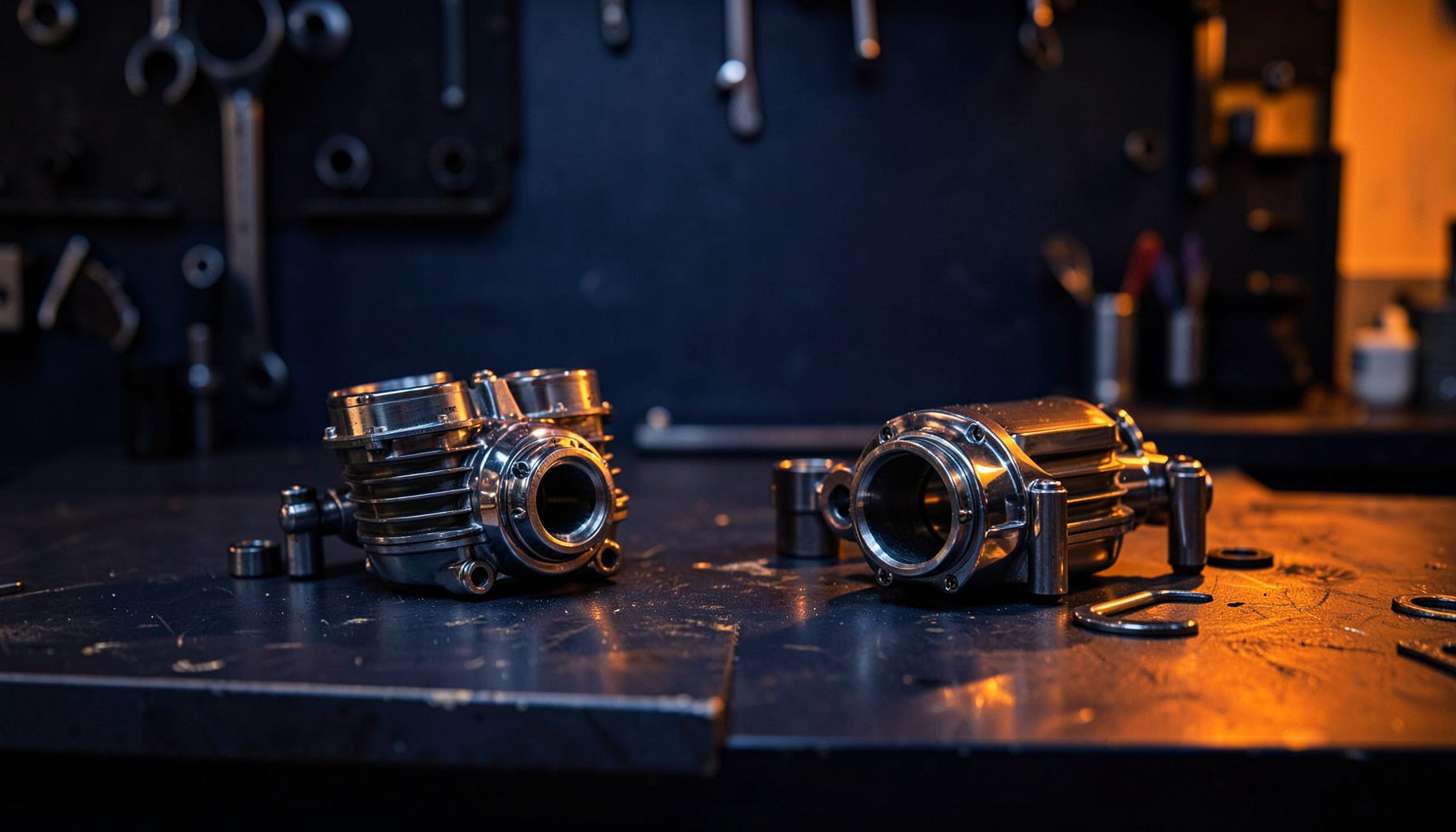
Motorcycle carburetor jetting for altitude: a complete guide
Altitude changes the way a motorcycle engine breathes, so a carburetor tuned near the coast may leave a rider chasing hesitation on a steep climb. The purpose of altitude carburetor jetting is not simply to use less fuel; it is to maintain a responsive mixture, protect the engine and preserve usable power when the air is thinner.
Carburetors remain common on Australian classics, early Hondas, Yamaha twins, Suzuki singles and some European favourites, even though modern motorcycles usually have fuel injection. Riders heading towards Kosciuszko, Mount Buller or the Alpine Way between Bright and Mount Beauty need preparation suited to both the engine and the conditions.
Australian details matter: right-hand-drive bikes, metric tools, E10 at many servo pumps and long distances between fuel stops. Before throwing a leg over the old girl, check the route, forecasts and local road conditions, then tune against the machine’s condition rather than the mountain’s reputation.
How altitude changes carburetor mixture
As elevation rises, barometric pressure and air density fall. The oxygen percentage stays broadly the same, but each cubic metre contains less oxygen, so an engine producing the same power needs a different fuel delivery from a stock sea-level calibration.
Reduced pressure also alters the pressure difference across a carburetor’s venturi, changing how fuel is drawn into the mixture. Sea-level settings commonly become too lean, producing hesitation under load, a weak bottom end and reduced performance at high revs.
Temperature and load matter too. Cold, dense air can partly offset the pressure loss caused by elevation, while warm intake air has the opposite effect. A trip to the snowfields should not be tuned using assumptions borrowed from a hot ride through central Australia.
Establish a dependable baseline
Start with the motorcycle, not a new jet. Check compression, ignition, cooling, air-filter condition and fuel delivery. Inspect float height and fuel pressure, test for leaks and, on multi-cylinder engines, balance the carburettors using the service manual’s procedure.
Clean the fuel tap, jets and passages without changing their sizes, then confirm the manufacturer’s recommended idle and operating settings. A wideband oxygen sensor or suitable air–fuel meter gives better evidence than plug colour alone. Record the jet markings, readings and fuel type, noting that E10 and E5 may need different calibration.
Resolve hesitation, surging or a rich idle before the climb. A worn needle, incorrect float setting or restricted filter can imitate an altitude problem. Pattern Parts’ filters, electrical items and engine components can help address those faults before carburetor tuning begins.
Select jets for the higher climb
Higher elevation usually requires a smaller main jet and often a smaller pilot jet, because the engine needs less fuel for the available air. One or two sizes smaller for the main circuit may be a starting point, but engine-maker guidance and the baseline setting must take priority.
There is no universal jet chart. Displacement, cam timing, exhaust modifications, air-filter design and carburetor model all affect the answer. Change one circuit at a time, and do not reduce the pilot simply because the main jet has already been reduced; they serve different operating ranges.
A high-altitude kit can be useful when matched to the exact carburetor and engine. Keep the slide and needles at their baseline settings unless the instructions specify otherwise. If a sea-level jet was already too small, making it smaller will worsen a lean stumble.
Diagnose the mixture on the road
A wideband gauge is particularly valuable. For petrol engines, lambda around 1.0 at steady cruise is a useful reference, with the manufacturer’s specifications taking priority. Watch how the reading changes under load and near the bottom of the rev range.
A lean bike may surge, hesitate or ping; a rich one may feel lively low down but smell of fuel, use petrol quickly and leave a sooty plug. Plug colour is supporting evidence, not a verdict. A black, oily plug may indicate oil consumption rather than a carburetor problem.
Carry the correct tools and spares. Avoid repeated adjustments beside traffic: pull over safely, allow the engine to settle and reassess. If the mixture remains wrong after a sensible jet change, check synchronisation, ignition, compression and fuel pressure again.
Manage fuel and changing temperatures
Fuel supply deserves the same attention as mixture. Carry enough petrol for the route plus a generous reserve, and check the tank vent, tap and filter. Remote Australian routes can leave long gaps between servos, making a spare fuel filter and an emergency fuel plan valuable.
Winter mornings in the Victorian High Country can be cold enough for dense air, while a sunny arvo changes intake temperature again. Check the Bureau of Meteorology forecast, snow reports and road closures before leaving. Kosciuszko’s summit reaches 2,228 metres, but lower climbs can still trouble a carburetor.
Riders need sensible protective clothing as well. A campground tailgate may call for a comfortable layer once the bike is parked, and this guide to comfortable sweatshirts can help with off-bike comfort. Keep sweatshirts away from the handlebars and leave abrasion-resistant gear for the ride.
Safe altitude jetting recommendations
Use a measured process, with the service manual as the starting point rather than the final authority. These steps suit most carbureted motorcycles used on Australian high-country trips:
- Test compression, ignition, float height and fuel pressure before changing jets, and confirm a stable idle.
- Record the original jet sizes and baseline mixture reading, then make a modest main-jet change using the maker’s altitude guidance.
- Keep pilot and slide settings unchanged unless symptoms or service data justify altering them.
- Carry original jets, a plug socket and basic tools, and recheck the mixture after the climb and back at sea level.
Retest at the operating temperature and load encountered on the route; a clean idle can hide a poor mixture at the top end. Make one adjustment and reassess rather than fitting progressively smaller jets. An undersized main jet can contribute to overheating or detonation, while an oversized one can cause a rich exhaust.
Get the right parts before the ride
Pattern Parts is a Nottingham-based UK supplier with a catalogue of more than 30,000 products, including OEM-equivalent filters, electrical parts and engine components for a wide range of motorcycles. Its maintenance guidance is a useful companion when checking a carburetor, fuel system or ignition before a high-country trip.
Check the catalogue and the bike’s service data, fit the correct parts, and carry the small items most likely to stop a carbureted motorcycle far from home. Test the finished setup at sea level, then make any altitude adjustment from that proven baseline. Prepare the bike properly, and the next climb can be about enjoying the road rather than diagnosing a stumble.