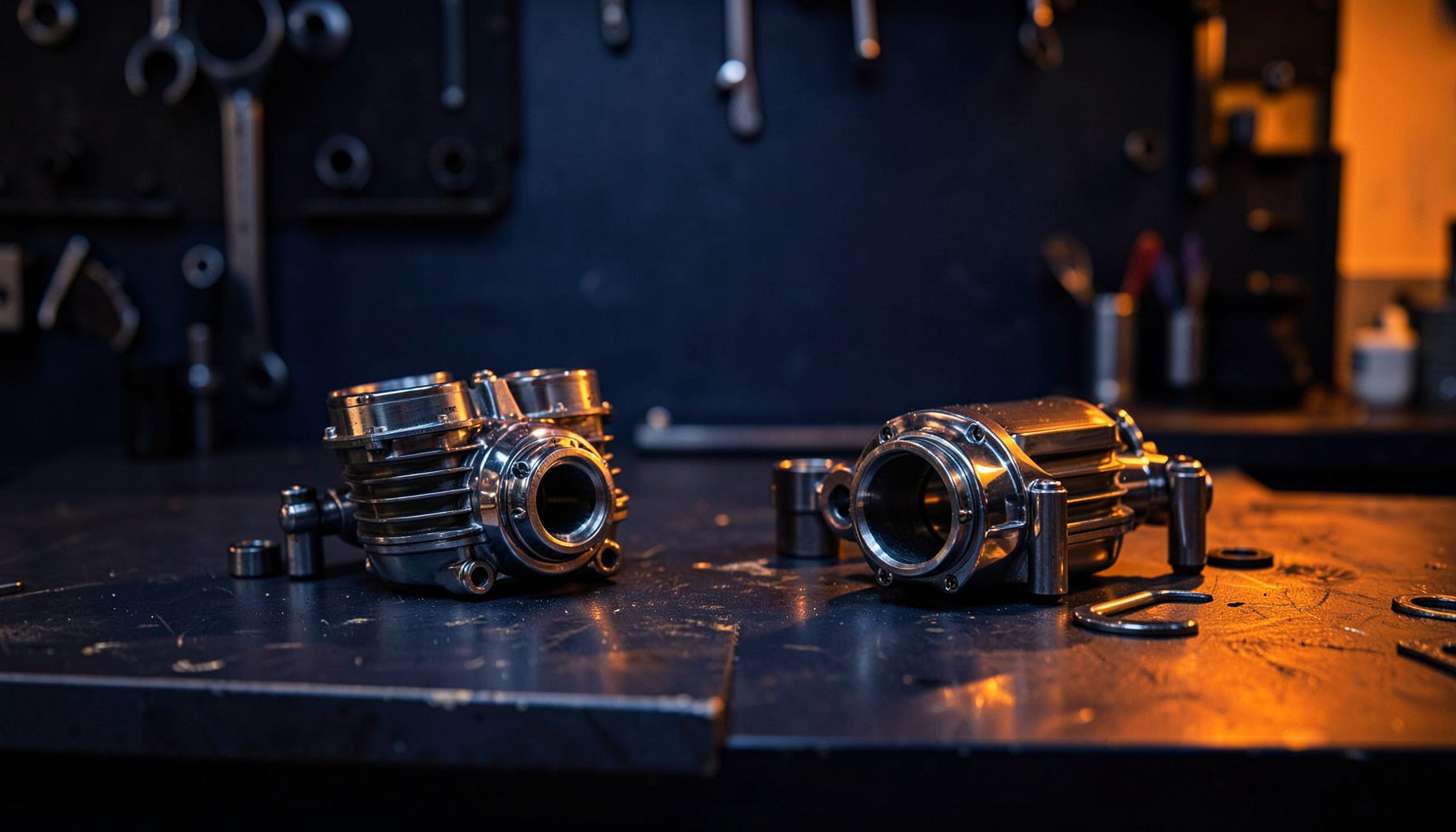
Understanding Motorcycle Ignition Coil Function And Failure Signs
An ignition coil is a compact but essential part of a motorcycle’s electrical system. It converts the battery or alternator’s relatively low voltage into the much higher voltage needed to create a spark across the spark plug gap. Without that reliable spark, the engine may crank normally yet fail to start, misfire, or run poorly under load.
For Australian riders, coil condition matters across a wide range of conditions, from daily commuting through Melbourne traffic to long-distance touring in Queensland or Western Australia. Heat, dust, rain, vibration and extended periods of storage can all affect ignition performance. Understanding the warning signs helps prevent unnecessary parts replacement and reduces the chance of being stranded far from home.
What An Ignition Coil Does
An ignition coil contains two insulated windings wrapped around a magnetic core. The primary winding receives a low-voltage electrical supply, while the secondary winding produces a much higher voltage. When the ignition control unit or points interrupt the primary circuit, the magnetic field collapses and induces high voltage in the secondary winding.
That high-voltage pulse travels through a spark plug lead, coil cap or direct ignition boot to the spark plug. The resulting spark ignites the compressed air-fuel mixture inside the cylinder. On modern motorcycles, electronic ignition systems control this process precisely, using signals from sensors to determine when each coil should fire.
Some motorcycles use one coil for two cylinders, while others use a separate coil-on-plug unit for each cylinder. The exact arrangement depends on the engine design, model year and ignition system. Checking the wiring diagram and parts catalogue is important before ordering a replacement.
How Ignition Problems Feel On The Road
A failing motorcycle ignition coil often causes intermittent symptoms before it stops working completely. The engine may hesitate during acceleration, stumble at higher revs or misfire when the throttle is opened quickly. A weak spark can be especially noticeable when the engine is hot, when cylinder pressure is higher or when the motorcycle is climbing a hill.
Hard starting is another common sign. The starter motor may turn the engine at normal speed, but combustion takes longer to begin. In some cases, the bike starts when cold and then cuts out after reaching operating temperature. A coil with internal insulation damage can break down as its temperature rises.
Other symptoms include uneven idling, reduced fuel economy, backfiring and an illuminated engine warning light. On fuel-injected motorcycles, a diagnostic code may point towards an ignition circuit or misfire, but the code does not automatically prove that the coil itself is defective.
Common Causes Of Coil Failure
Age and heat are major contributors to ignition coil failure. Repeated heating and cooling cycles can weaken insulation, while engine heat can harden plastic housings and deteriorate rubber seals. Vibration from a single-cylinder or large-capacity engine can also stress the coil body, mounting bracket and electrical terminals.
Moisture is another concern, particularly for motorcycles parked outdoors in coastal cities such as Sydney, Brisbane and Perth. Water entering a plug cap or connector can create a path for the spark to escape. Corrosion increases electrical resistance and may cause an intermittent fault that is difficult to reproduce in a workshop.
Incorrect spark plug gaps, damaged plug leads and poor earth connections can place extra demand on the coil. Non-standard ignition components, unsuitable accessories or wiring modifications can create similar problems. Before blaming the coil, inspect the complete high-tension circuit and its low-voltage supply.
Testing A Coil Before Replacing It
A visual inspection should come first. Look for cracks, melted plastic, swelling, carbon tracking, loose terminals and green corrosion around connectors. Check that the coil is firmly mounted and that the spark plug cap is fully seated. A damaged cap or lead can imitate a failed coil while costing much less to repair.
Resistance testing with a quality multimeter can provide useful information. Measure the primary winding across its low-voltage terminals and the secondary winding between the high-voltage output and the specified terminal. Compare the readings with the motorcycle manufacturer’s service data, as acceptable values vary substantially between models.
Resistance alone cannot identify every failure. A coil may show an acceptable reading when cold but fail under operating temperature or high electrical load. If available, an oscilloscope, spark tester or approved diagnostic tool gives a more reliable assessment. Avoid holding a plug lead while the engine is running, since ignition voltage can cause a painful electric shock.
Selecting A Suitable Replacement
A replacement coil should match the motorcycle’s model, engine configuration, connector style and ignition control system. OEM-equivalent parts are often the safest choice for standard road bikes, while performance coils may be appropriate where the manufacturer or tuning specialist confirms compatibility. A higher advertised voltage does not automatically mean better performance.
Australian road motorcycles must remain compliant with applicable state or territory registration rules and Australian Design Rules. Exhaust and engine modifications may attract scrutiny during inspections, especially if a coil upgrade forms part of a broader tuning package. Keep the original parts and confirm that any modification remains legal for road use in your state.
| Check | Why It Matters | Practical Action |
|---|---|---|
| Part number | Prevents compatibility errors | Match the catalogue number and model year |
| Primary and secondary resistance | Confirms electrical suitability | Compare with service manual specifications |
| Connector and mounting points | Ensures a secure installation | Check plugs, brackets and lead orientation |
| Ignition type | Avoids control-unit damage | Confirm CDI, TCI or ECU compatibility |
| Road legality | Protects registration compliance | Check local modification requirements |
Installation And Ongoing Care
Disconnect the battery before working on the ignition wiring, and keep the ignition switch off during installation. Route high-tension leads away from sharp edges, hot exhaust components and moving parts. Apply only the manufacturer-approved dielectric grease to suitable connections; excess grease should not be used to compensate for a loose or damaged terminal.
Replace worn spark plugs at the recommended interval and set the correct gap. Inspect plug caps whenever the tank or airbox is removed, because small cracks may allow moisture entry. Riders in dusty inland areas should pay close attention to grit around connectors, while those in wet coastal regions should check for condensation and corrosion.
A consistent maintenance routine is useful for every frequently handled item, much like following a careful care guide to extend the life of household equipment. Gentle cleaning, proper storage and prompt attention to small faults can prevent a minor electrical issue from becoming a roadside breakdown.
Practical Ignition System Recommendations
- Check spark plugs, caps, leads, connectors and earth points before condemning the coil.
- Use manufacturer specifications for resistance, plug gap and replacement parts.
- Keep water out of electrical connectors when washing or storing the motorcycle.
- Record intermittent faults, including engine temperature, weather and riding conditions.
- Use a qualified motorcycle technician for ECU, CDI or wiring faults that remain unresolved.
When a motorcycle begins to misfire, early diagnosis can protect the catalytic converter, improve fuel economy and restore reliable starting. Browse Pattern Parts for motorcycle ignition components, electrical spares and maintenance parts suited to your model, then replace worn items before the next commute, weekend ride or long Australian touring trip.