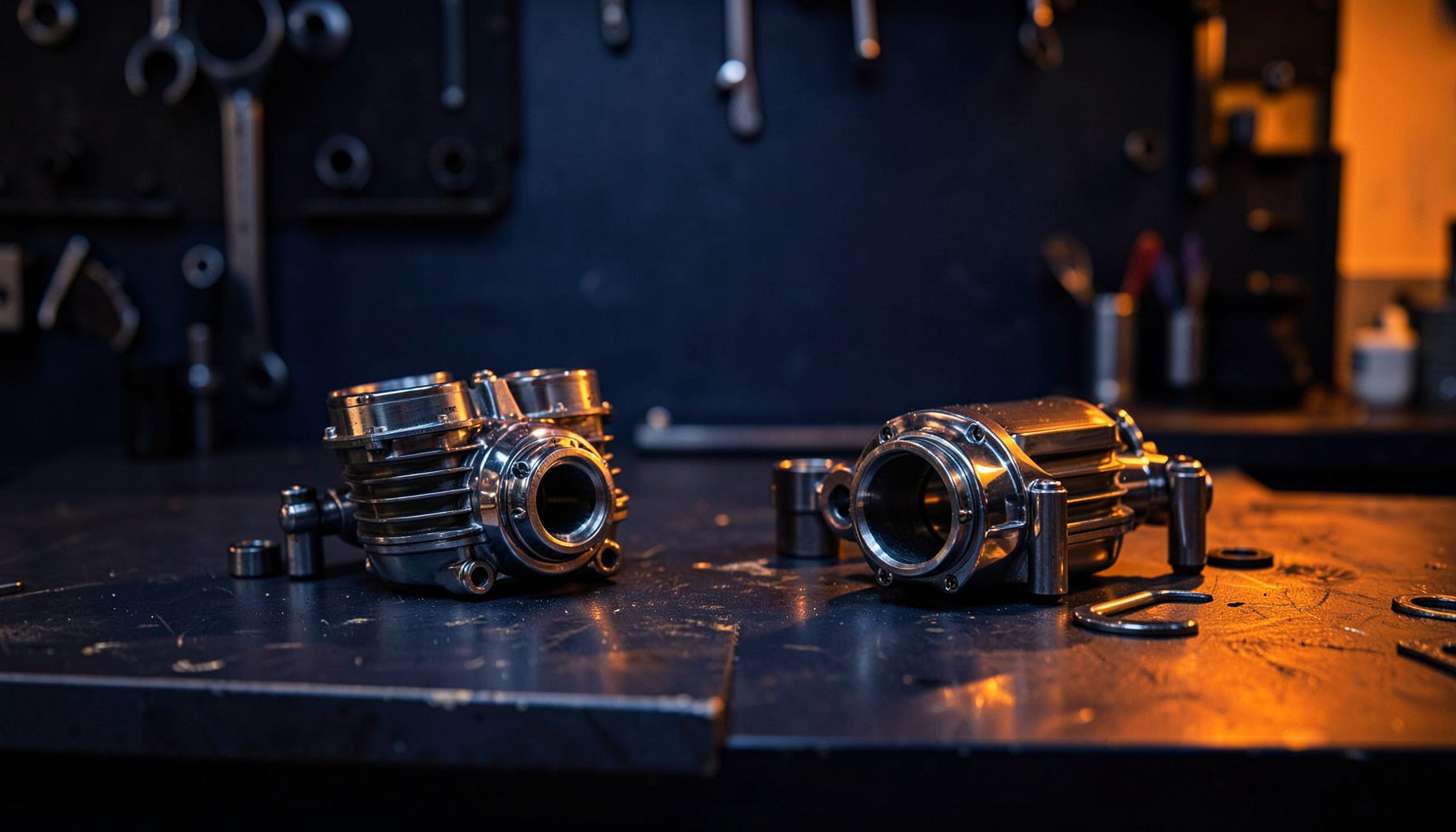
Understanding motorcycle radiator coolant and when to flush it
Radiator coolant is the liquid that carries heat from your motorcycle engine to the radiator. It prevents freezing in cold weather, raises the boiling point in hot conditions, and protects metal parts from corrosion. Neglecting it can lead to blocked passages, leaks and serious engine damage.
The right fluid matters because motorcycles do not all use the same coolant chemistry. The owner’s manual should decide the type and mixing method; colour alone is not a reliable guide. A bottle of automotive coolant may also be unsuitable for a motorcycle engine.
A coolant change replaces the old fluid, while a flush also washes out residue and contamination. The terms are often used interchangeably, but a simple drain-and-refill may be enough if the cooling system is clean and the coolant has not degraded.
Australian riding makes this maintenance especially relevant. Melbourne can deliver intense summer heat, humid Brisbane summers reduce the margin for cooling, and long trips through the outback leave fewer chances to notice a small leak. Many Australian riders also handle basic servicing in a home garage.
What radiator coolant actually does
Coolant flows through the engine’s water jackets before reaching the radiator. It absorbs heat from the cylinder head and cylinder walls, then carries that heat to the fins, where airflow releases it into the atmosphere. The water pump drives this continuous circulation.
Its protective additives are just as important as its heat-transfer role. They help prevent corrosion, scale formation and deposits inside the narrow passages of the engine and radiator. As coolant ages, these additives deteriorate, allowing rust and sediment to build up.
Water alone can provide basic cooling, but it lacks the chemical protection required by many engines. Some motorcycles rely on specific coolant formulations to protect seals, coatings, sensors and the water pump. The manufacturer’s requirements take priority over generic workshop advice.
Choosing the correct coolant for your motorcycle
Start with the owner’s manual and identify the required coolant type. Common formulations include glycol-based, non-glycol and organic-technology coolant, but approval can be specific to an engine or model. Some manufacturers even restrict the use of particular brands or require their own branded fluid.
Check whether the product is ready to use or concentrated. Premixed coolant should normally be installed as supplied. Concentrated coolant must be mixed with distilled or deionised water in the specified ratio, and ordinary tap water can introduce minerals that encourage deposits.
Do not mix coolant brands or chemistries unless the manufacturer explicitly allows it. Similarly, topping up a premixed system with distilled water can dilute the protective mixture. Keep the product label and your owner’s manual accessible when checking compatibility.
When a coolant flush is due
Many motorcycles have a coolant replacement interval of around two years, while approved long-life fluids may last considerably longer under ideal conditions. Check the manual, coolant label and service history rather than applying one interval to every bike. Replace degraded coolant promptly even if the odometer reading is low.
A flush becomes more appropriate when the old fluid contains debris, corrosion products or deposits that a simple replacement would leave behind. Heavy use, repeated overheating and neglected servicing can accelerate this contamination.
Reasons to arrange an early flush
- Dark, cloudy or discoloured coolant that no longer resembles its fresh appearance.
- Rust-coloured deposits, sludge or contamination following a neglected service.
- A system left open during repairs or repeatedly topped up with the wrong fluid.
Signs that a scheduled coolant change may be enough
- Clear, correctly coloured coolant at the proper level with no visible leaks.
- A documented service history and no overheating, boiling or fan-related faults.
- A service interval reached with the coolant still in good condition.
Spotting cooling system problems early
A rising engine-temperature warning, reduced fan output or unusually warm exhaust headers can indicate a cooling problem. Hot exhausts are sometimes normal after hard riding, so compare them with the bike’s normal behaviour rather than relying on a single sign.
Coolant loss, discoloured residue around the radiator or water pump, and a low reservoir level deserve attention. Bulging or damaged hoses, a sticky thermostat and a radiator fan that does not operate are other common warning signs. Never open a cooling-system cap while the system is hot because pressurised coolant can erupt.
If the engine overheats repeatedly, stop riding and have the motorcycle inspected. Continued operation may warp cylinder heads, damage gasket seals or destroy the coolant itself. Let the engine cool naturally and arrange recovery rather than trying to continue the journey.
How to flush the cooling system safely
Begin with a completely cold engine. Consult the owner’s manual to locate the drain points, which may include radiator plugs, hose connections, an engine drain plug or a coolant petcock. Some motorcycles require the expansion tank or radiator to be removed. Collect the old coolant in sealed containers for proper disposal.
Drain the system and flush it with fresh water, following the manufacturer’s recommended method. Keep the water pressure low and avoid directing a powerful jet at seals, the radiator cap or sensitive components. Some engines also require attention to coolant passages that remain behind engine drain plugs.
Refill with the exact approved coolant at the specified concentration. Bleed trapped air by warming the engine gently while watching the temperature gauge and reservoir, then check the level again once the engine has cooled. Never loosen a cap or hose while the cooling system remains hot.
Record the coolant brand, formulation, mixture ratio and service date. Inspect for leaks after the refill and take a short ride to confirm stable temperature. In Australia, ask a local workshop or council about an approved collection point for used coolant; it must not be poured into stormwater drains or onto the ground.
Maintaining cooling confidence in Australia
Before a long ride, check the expansion tank while the engine is cold and inspect hoses, clamps and radiator fins. Bugs and dust can restrict airflow, particularly on bikes used around Perth or on unsealed roads. Keep the radiator clear, and make sure the cooling fan operates correctly.
Ride conditions influence how closely the cooling system should be monitored. Melbourne’s hot summer days, Brisbane’s humidity and outback travel can each expose weaknesses that a short suburban ride might hide. On remote routes, inspect the bike at regular stops and know which services are available along the way.
Keep the specified coolant on hand and record each replacement in the service log. A clean radiator, sound hoses and the correct coolant mixture give the engine its best chance of maintaining a stable temperature. If cooling performance changes, investigate the cause before replacing parts blindly.
Check your owner’s manual now, confirm the exact coolant specification and service interval, and book the work with a qualified motorcycle workshop. For model-specific spares, the catalogue at Pattern Parts online store carries more than 30,000 motorcycle products, including engine components and electrical parts; check compatibility for your bike before ordering. Record the coolant type, mixture and service date so the next replacement happens on time.