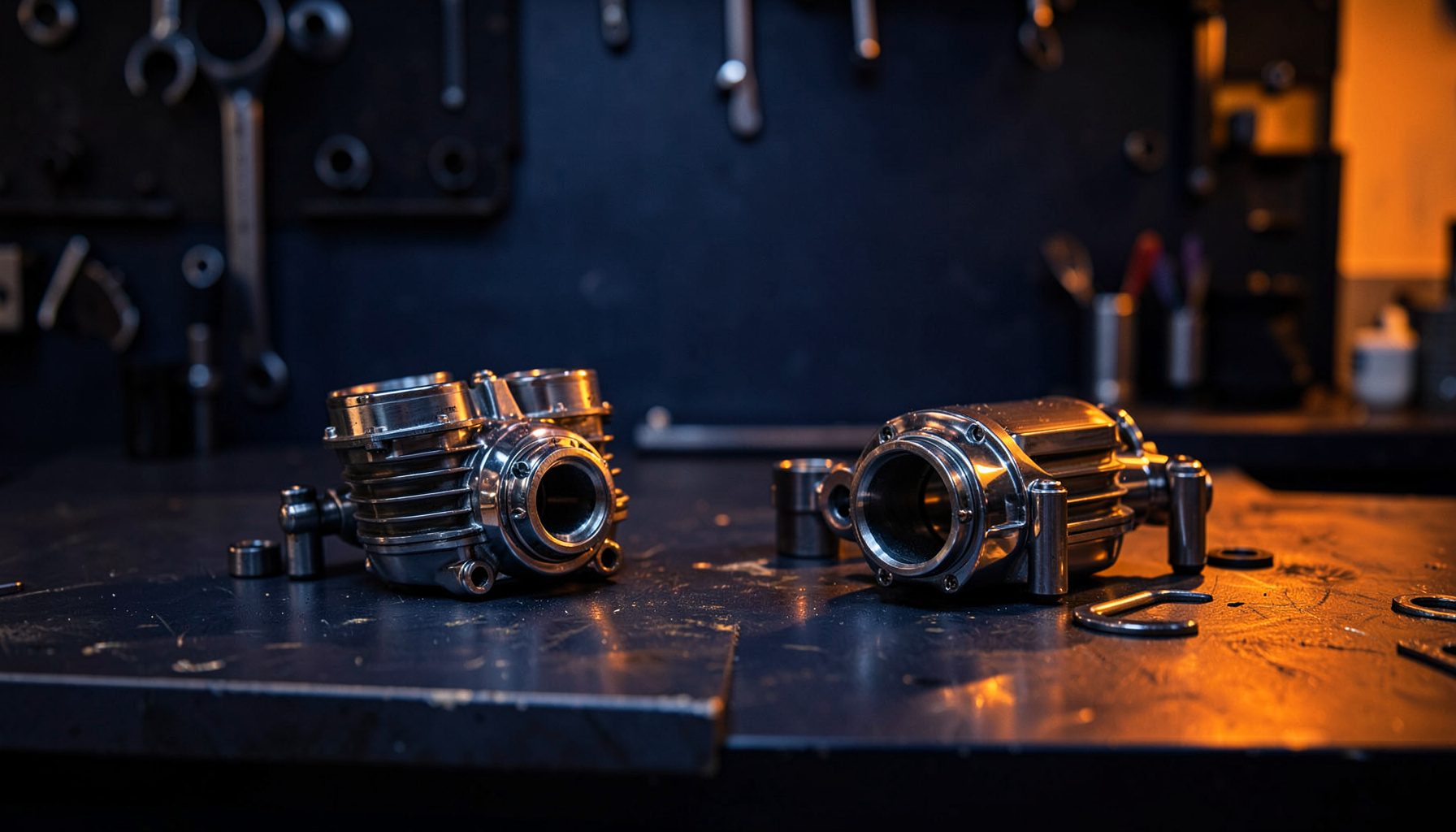
Upgrading Your Motorcycle Brake Lines To Stainless Steel Braided
Brake lines are easy to overlook until the lever starts feeling soft, inconsistent or vague. Standard rubber hoses gradually flex under pressure and can deteriorate with age, heat, ultraviolet exposure and brake fluid contamination. Replacing them with stainless steel braided motorcycle brake lines is a popular way to sharpen braking control and refresh an ageing braking system.
The upgrade uses a flexible inner hose, usually made from PTFE, covered by a woven stainless steel outer braid. That braid limits expansion when hydraulic pressure rises, helping more of your lever effort reach the caliper pistons. The result is usually a firmer lever and more predictable feedback, particularly during repeated braking.
For Australian riders, the change can make sense on everything from a commuter dealing with Sydney traffic to a touring bike crossing the Nullarbor. High temperatures, long distances and steep roads such as the Great Ocean Road or the Blue Mountains can expose weaknesses in an old brake system.
Braided lines are still a safety-critical modification, so correct fitment matters more than appearance. A line that is too short, poorly routed or incompatible with an ABS system can create serious problems. Choose parts for the exact motorcycle model, year and braking configuration, then install and bleed them carefully.
What Stainless Braided Lines Change
A rubber hose expands slightly as brake pressure builds. This movement is small, but it can contribute to a softer lever, especially when the system is hot. Stainless braid resists that expansion, giving the lever a more direct feel and making it easier to judge how much braking force is available.
The upgrade does not automatically create shorter stopping distances. Tyres, road surface, pad compound, disc condition, suspension setup and rider technique remain decisive. A firm lever can improve confidence and modulation, but it cannot compensate for worn pads, contaminated discs or underinflated tyres.
Age is another reason to consider replacement. A rubber brake hose may look acceptable externally while its inner lining has degraded. Swelling, cracking, staining around fittings or a lever that slowly comes back towards the handlebar should be treated as inspection warnings rather than simple upgrade opportunities.
Selecting The Correct Brake Kit
Start with the motorcycle’s exact make, model, capacity and production year. Some machines changed from two front lines to a three-line arrangement, while others use a linked braking system, a rear master cylinder or ABS plumbing that requires a model-specific kit. Measure the existing routing and check whether the kit includes every required hose.
Look for lines with secure crimped fittings, abrasion-resistant covering and clear identification of front, rear and crossover sections. Black-coated braid can suit a standard road bike, while polished stainless fittings may appeal to a custom build. The finish is secondary to correct length, banjo angle and compatibility with the original calliper and master-cylinder connections.
Australian road use also calls for attention to certification and local rules. Modification requirements can vary between NSW, Victoria, Queensland, Western Australia and other jurisdictions, and a roadworthy inspection or safety certificate may apply when brake components are changed. Check the relevant state transport authority and use components suitable for public-road use, rather than assuming a race-only line is acceptable for rego.
Preparing For A Safe Installation
Before removing anything, photograph the original hose routing and note where clips, guides and brackets sit. The replacement line must avoid the exhaust, radiator, fork legs, tyre and steering stops. Turn the handlebars fully from lock to lock and compress the suspension where practical to confirm the hose does not pull tight or rub.
Use fresh brake fluid of the specification printed on the reservoir cap or in the workshop manual. Keep fluid away from paint and plastics because it can damage finishes quickly. New sealing washers are normally required at banjo fittings; reusing crushed copper washers risks leaks, even when the bolt feels tight.
After fitting the lines, bleed the system until the fluid runs clean and free of air bubbles. Follow the correct sequence for the motorcycle, particularly if it has ABS or linked brakes. Wipe every connection, apply pressure at the lever and inspect for seepage before riding. Any uncertainty is a good reason to have a qualified motorcycle technician complete the work.
Checking Performance On Australian Roads
Begin with a stationary check, then use a quiet road at low speed. Confirm that the lever remains firm, the brake light works and the motorcycle stops in a straight line. Gradually increase speed and pressure while listening for rubbing or checking that the line does not contact the wheel, fork or bodywork.
A ride through Adelaide Hills bends, Melbourne commuter traffic or Queensland’s warmer climate can reveal issues that are missed in the workshop. Heat can expose trapped air or incorrect fluid levels, while corrugated regional roads can test whether fittings and hose guides are secure. Recheck the system after the first ride and again after several heat cycles.
Brake performance also depends on the rest of the chassis. Worn fork seals, incorrect fork settings or unsuitable tyres can make a bike feel unstable under hard braking. For a broader look at how braking interacts with chassis control, this suspension setup guide provides useful background for road riders.
Practical Buying And Fitting Recommendations
A complete line kit is usually preferable to mixing hoses and fittings from different suppliers. Confirm whether the package includes banjo bolts, washers, brackets and any ABS-specific components. Check delivery times and product support when ordering from overseas, allowing for Australian freight, GST treatment and the possibility that a return may be more complicated than with a local supplier.
Before committing to the job, compare the kit against the motorcycle and its service information. A line upgrade is a sensible time to inspect pads, discs, caliper seals and fluid condition, since fitting fresh hoses will not correct faults elsewhere in the braking system.
- Match the kit to the exact year, model, ABS arrangement and brake layout.
- Replace sealing washers and use the manufacturer’s torque specifications.
- Route each line with full steering and suspension movement checked.
- Use the correct fresh brake fluid and bleed the system thoroughly.
- Verify state roadworthiness requirements before returning the bike to public roads.
A properly selected stainless braided kit can provide a more consistent lever, improved feedback and renewed confidence without changing the motorcycle’s basic character. It is especially worthwhile when the original rubber hoses are old, visibly damaged or giving an inconsistent feel.
Browse brake hoses, fittings and related motorcycle braking components at Pattern Parts, then check the specification carefully against your bike before ordering. If the installation involves ABS, linked brakes or any doubt about bleeding and routing, arrange professional fitting and make sure the finished motorcycle is safe and compliant for Australian roads.