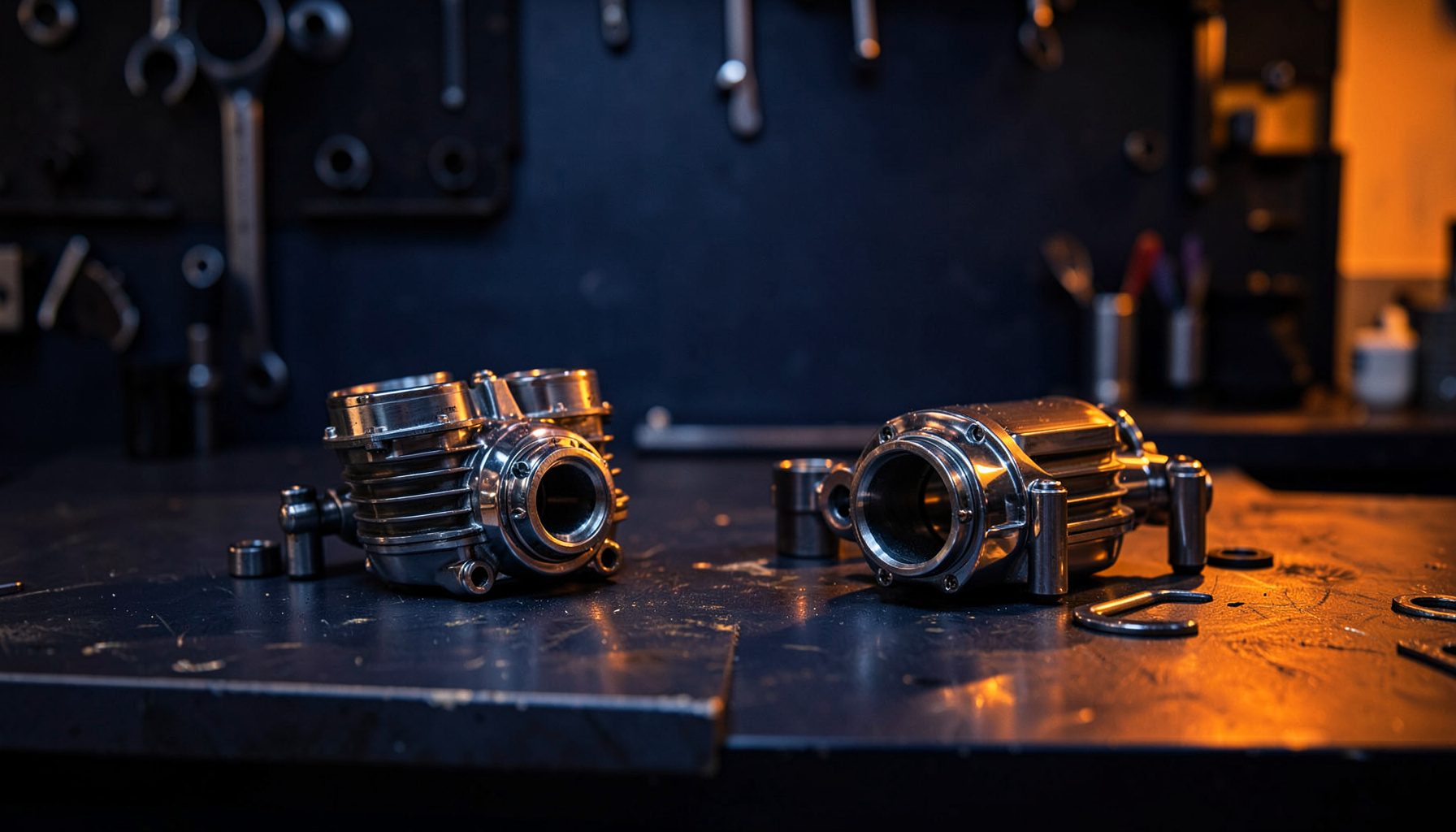
Common motorcycle electrical faults and practical fixes
Understanding the most common motorcycle electrical problems and fixes can save time, prevent roadside breakdowns and protect expensive components. A flat battery, failed regulator or corroded connector may look minor, yet each can leave a bike unable to start.
Australian riders face a broad range of conditions. Summer heat can shorten battery life, coastal air around Sydney, Brisbane and Perth encourages corrosion, while dust and vibration on regional roads can work plugs and terminals loose. Frequent short trips through Melbourne traffic can also prevent the battery from fully recharging.
The electrical system links the battery, alternator or stator, regulator-rectifier, starter motor, ignition, lighting and fuel-injection controls. A fault in one area can create symptoms somewhere else, so replacing parts without testing often leads to unnecessary expense.
Basic checks are suitable for many owners, but disconnect the battery before repairing wiring and use a multimeter rather than guessing. Any work affecting safety equipment, emissions systems or road-approved lighting should meet Australian Design Rules and the requirements of the relevant state or territory inspection scheme.
Battery and charging faults
A weak or dead battery is one of the most common motorcycle electrical faults. Typical signs include a slow starter motor, clicking from the starter relay, dim lights or an instrument display that resets when the ignition is switched on. Batteries can discharge quickly when a motorcycle spends several weeks parked, especially if an alarm, tracker or USB charger remains connected.
Start by checking the battery terminals for looseness, white residue or green corrosion. Clean the contacts, tighten them securely and inspect the earth cable where it joins the frame or engine. A fully charged 12-volt battery usually reads close to 12.6–12.8 volts at rest, although the precise reading depends on battery type and condition.
If the voltage falls sharply while cranking, the battery may need replacement. If a fresh battery repeatedly loses charge, test the charging system. With the engine running and the revs raised moderately, charging voltage is commonly around 13.5–14.8 volts. A low result can indicate a failed stator or regulator-rectifier; an excessive result may damage the battery and electronic components.
Starting and ignition electrical issues
When the engine does not turn over, inspect the simple interlocks first. The engine-stop switch, side-stand switch, neutral switch, clutch switch and starter button can all interrupt the starting circuit. A motorcycle left in gear with the stand down may appear to have a serious fault when the safety switch is operating normally.
A clicking relay with no crank can point to low battery voltage, poor terminal contact or a failing starter solenoid. If the relay clicks strongly but the starter motor remains silent, test voltage at the motor while pressing the starter button. No voltage suggests a relay, fuse or wiring issue; correct voltage with no movement points towards the starter motor itself.
For a crank-but-won’t-start problem, check whether the ignition system is receiving power and whether spark is present. Faulty ignition coils, damaged plug caps, worn spark plugs and broken crankshaft-position sensors can all prevent combustion. Keep a wiring diagram for the exact model nearby, since wire colours and connector layouts vary between manufacturers.
Lighting, switches and wiring
Headlights, indicators, brake lamps and the horn are essential for visibility in Australian traffic. A single failed bulb may simply need replacement, but multiple lights failing together often indicate a blown fuse, damaged earth connection or charging problem. LED conversions can also cause rapid indicator flashing if the original flasher relay is not compatible.
Water ingress is common after pressure washing, heavy rain or regular coastal riding. Inspect handlebar switches, lamp connectors, fuse boxes and areas beneath the seat for moisture, green corrosion or brittle insulation. Do not use household tape as a permanent repair; use suitable automotive wire, sealed connectors and heat-shrink protection.
| Symptom | Likely cause | Useful first check | Common repair |
|---|---|---|---|
| Starter clicks but engine does not turn | Low battery or poor connection | Measure battery voltage and inspect terminals | Charge or replace battery; clean connections |
| Battery keeps going flat | Charging fault or parasitic drain | Test running voltage and current draw | Repair regulator-rectifier, stator or accessory wiring |
| Headlight and indicators fail | Blown fuse or damaged earth | Check fuse and ground points | Replace fuse only after finding the cause |
| Engine cranks but will not fire | No spark, sensor fault or fuel-control issue | Test spark and ignition supply | Replace plug, coil, sensor or damaged connector |
| Lights flicker at speed | Loose connection or unstable charging | Inspect earth and charging voltage | Repair wiring or replace charging component |
Fuel injection and sensor faults
Modern motorcycles rely on electrical signals from the throttle-position sensor, engine-temperature sensor, manifold-pressure sensor and crankshaft-position sensor. A fault may cause difficult starting, uneven idle, hesitation, poor fuel economy or an illuminated engine warning light. On some models, a failed sensor also activates a reduced-power or limp-home mode.
Begin with the battery and main earth connections because low voltage can create several warning codes at once. Then inspect sensor plugs for water, bent pins and damaged locking tabs. A diagnostic scanner can identify stored fault codes, but a code usually indicates the circuit or system involved rather than proving that the sensor itself must be replaced.
Fuel-injected motorcycles are especially sensitive to poor electrical supply. Avoid repeatedly fitting larger fuses, bypassing a safety switch or connecting accessories directly to delicate sensor wiring. Heated grips, phone mounts and auxiliary lights should use a fused relay harness connected to an appropriate power source.
A practical diagnostic routine
A logical process is safer than changing several parts at once. Record the symptoms, note whether the fault occurs hot or cold, and check the motorcycle’s service information for resistance, voltage and continuity specifications. Generic internet figures are useful as a guide, but the manufacturer’s values take priority.
Australian road rules and inspection practices differ by location. A motorcycle in New South Wales may need a safety inspection or pink slip, while Victoria uses roadworthy certificates and Queensland uses safety certificates in relevant registration or transfer situations. Non-compliant lighting, exposed wiring or poorly installed electrical accessories can create problems during inspection and on the road.
Use these habits when diagnosing or repairing a motorcycle electrical system:
- Fully charge and load-test the battery before testing other components.
- Check fuses, earth points and connector condition before replacing sensors or control units.
- Route accessory wiring away from steering movement, hot exhaust parts and sharp frame edges.
- Use a correctly rated fuse close to the power source for every added circuit.
- Retest charging voltage and all affected lights after completing the repair.
For riders in Adelaide, Canberra or regional areas, carrying a compact multimeter, spare fuses and basic terminal tools can be worthwhile. Long distances between workshops make early detection valuable, while extreme heat, dust and vibration can expose weak connections faster than occasional urban use.
Pattern Parts provides access to motorcycle electrical components alongside maintenance parts and replacement hardware for a wide range of models. Choosing an OEM-equivalent component or a reputable aftermarket upgrade, then confirming model compatibility before ordering, helps restore dependable starting, lighting and charging performance.
A sound electrical system improves reliability and safety every time the bike leaves the garage. Check the battery, charging circuit and connectors regularly, and use the suitable replacement electrical parts from Pattern Parts to keep your motorcycle ready for Australian roads.