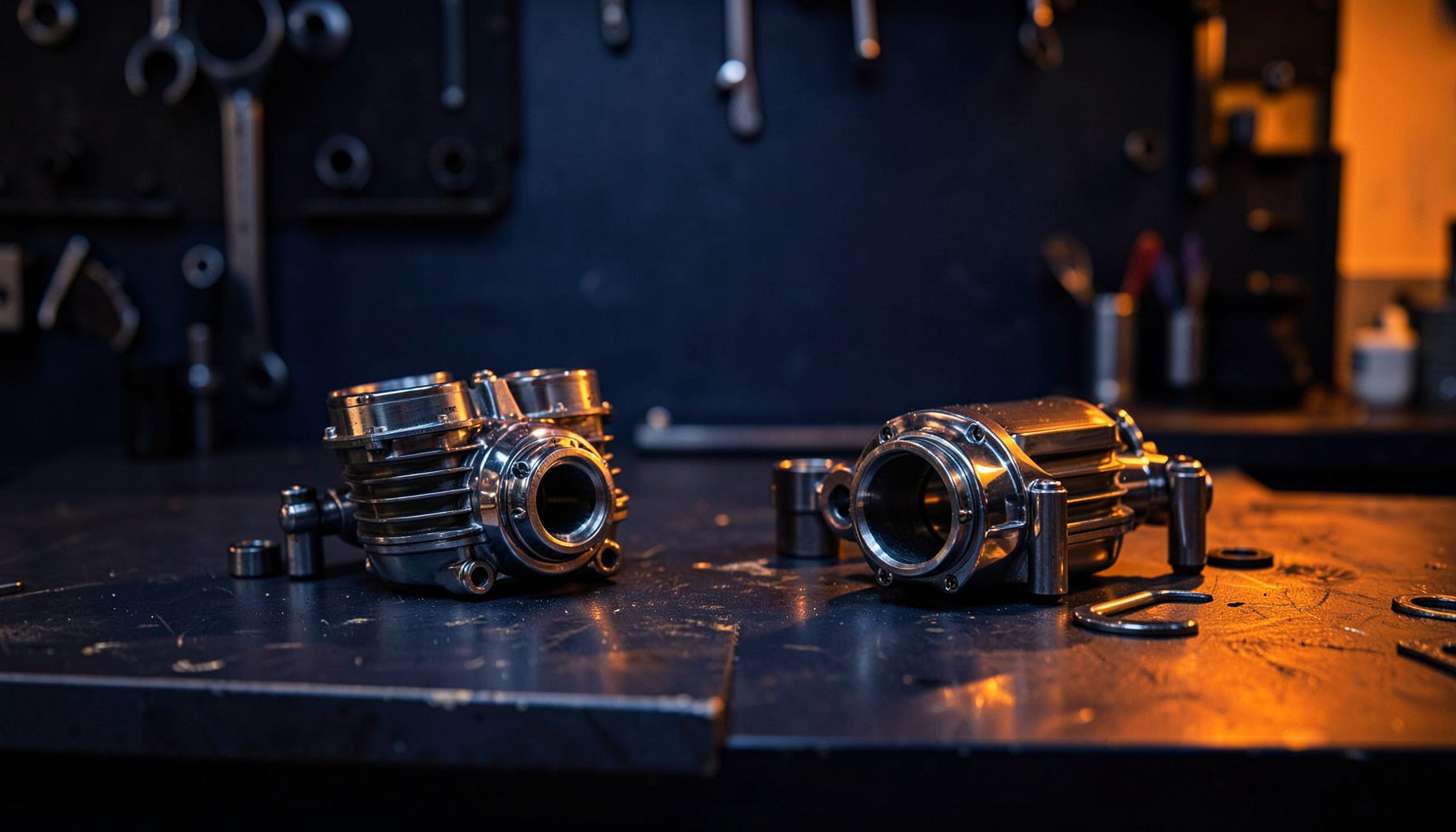
What To Consider When Upgrading Motorcycle Pistons For More Power
A piston upgrade can transform the character of a motorcycle, giving an engine stronger acceleration, improved throttle response and a more purposeful feel through the mid-range. The right combination of bore size, compression ratio, piston design and supporting parts can release worthwhile performance without turning a reliable road bike into a temperamental project.
The piston itself is only one part of the equation. Australian riders also need to consider fuel quality, climate, registration requirements, workshop expertise and the way a motorcycle is actually used. A commuter in Melbourne, a weekend rider in the Gold Coast hinterland and an adventure rider crossing long distances will have different priorities when choosing an engine upgrade.
Choose The Right Piston Design
A forged piston is generally preferred for serious performance work because it is stronger and better suited to high cylinder pressures and elevated engine temperatures. Cast pistons can offer excellent service life in standard or mildly tuned engines, and they may provide quieter operation with suitable clearances. The best choice depends on the intended power level rather than the assumption that one construction method suits every motorcycle.
Piston shape also matters. A domed crown can raise compression, while valve pockets and squish areas must match the cylinder head and camshaft timing. The piston must have enough clearance from the valves at full lift and from the cylinder head at operating temperature. A seemingly small mismatch can lead to contact, damaged components and an expensive rebuild.
Weight deserves attention as well. A lighter piston reduces reciprocating mass, helping the engine rev more freely and reducing stress on the connecting rod and crankshaft. However, removing too much material can compromise strength. Reputable piston manufacturers provide specifications for skirt clearance, ring gaps and installation direction, so these details should be followed precisely.
Match Bore Size And Compression
A big bore kit can increase displacement by fitting a larger piston and, in some cases, a replacement cylinder or re-sleeved barrel. More displacement usually brings stronger torque, especially at low and medium revs. This can make a single-cylinder trail bike more responsive on hills or improve the roll-on performance of a twin used for touring.
Before ordering, check the exact engine code, model year and cylinder dimensions. Motorcycle manufacturers often change piston sizes, pin diameters and compression heights during a production run. Pattern Parts carries a broad range of engine components and replacement parts, but accurate fitment information remains essential before purchasing a performance piston or big bore package.
Higher compression can improve combustion efficiency and power, yet it also increases heat and detonation risk. Many Australian riders use 98 RON premium petrol for high-compression builds, particularly in hot areas such as Western Australia or Queensland. A piston designed around premium fuel may run poorly or suffer damage if it is regularly fed unsuitable fuel during remote trips.
Plan The Supporting Modifications
A performance piston may require changes to the fuel system. The engine could need larger injectors, revised carburettor jetting, a higher-flow fuel pump or a recalibrated ECU. An aftermarket exhaust and less restrictive air filter can complement the extra displacement, but they also alter the air-fuel mixture. Installing parts without correcting fuelling can cause lean running, overheating and poor piston crown condition.
Camshafts, ignition timing and cylinder head work should be considered as part of the same package. Increasing compression while retaining unsuitable ignition settings can promote knock, especially under heavy load. A programmable ECU or a properly tuned fuel controller gives greater control over ignition and fuelling than relying on a generic map.
Cooling capacity is another practical concern. Check the condition of the radiator, hoses, thermostat and water pump before increasing output. Air-cooled motorcycles may need careful jetting, improved oil cooling or more frequent oil changes. Riders in the Northern Territory or inland New South Wales should take high ambient temperatures and long stretches between service facilities seriously.
Check Clearance And Installation Details
Correct piston-to-wall clearance is vital because forged pistons expand differently from cast pistons. Too little clearance can cause the skirt to seize as the engine warms, while too much can produce noise, accelerated wear and unstable ring sealing. Cylinder honing must create the specified surface finish so the rings bed in correctly.
Ring end gaps need to suit the intended use and power level. A gap that is too tight may close as the engine reaches operating temperature, forcing the ring ends together and damaging the cylinder. A gap that is too wide can increase blow-by and oil consumption. Measure every ring in the actual bore rather than relying on a general assumption.
The connecting rod, wrist pin, circlips and crankshaft should be inspected during the rebuild. It makes little sense to install a high-performance piston on a worn bottom end. A competent motorcycle engine builder will also check deck height, squish clearance, bearing condition and crankshaft runout before final assembly.
Consider Road Legality And Reliability
In Australia, a substantial engine modification can affect registration, insurance and roadworthiness. Rules vary between states and territories, and a big bore conversion, altered exhaust or emissions-related change may require engineering approval. Before beginning the build, check the requirements applying in Victoria, New South Wales, Queensland or your home state, especially if the motorcycle is used on public roads.
Noise and emissions rules can also affect the choice of exhaust and intake components. A dyno-tested setup that performs well on a track may be unsuitable for daily riding or roadside inspections. For a registered bike, retaining sensible noise levels and using quality components is often a better long-term decision than chasing a small peak-power figure.
Reliability should guide the compression ratio and rev limit. A touring motorcycle used for long highway runs around Australia needs a different setup from a short-distance drag or track bike. Conservative tuning, high-quality oil and regular inspections can protect the piston, rings and bearings when the engine is exposed to heat, dust and heavy loads.
Tune And Maintain The Finished Build
Run-in procedure matters after a piston replacement. Follow the piston manufacturer’s guidance, vary engine speed and load, and avoid extended idling or constant highway cruising during the early kilometres. The aim is to help the rings seal without creating excessive heat. Change the oil and filter at the recommended early interval, then inspect the drained oil for unusual metallic debris.
A dyno session is one of the most useful investments after fitting a high-compression piston or big bore kit. The technician can verify air-fuel ratios, ignition timing, throttle response and engine temperature under load. This is especially valuable when combining an aftermarket exhaust, intake system and ECU tuning from different brands. Riders searching for specialist performance hardware can also review racing engine parts when planning a more comprehensive build.
Keep records of valve clearances, oil consumption, spark plug condition and compression readings. A gradual change in these figures can reveal ring wear, detonation or a developing cooling problem before it causes major damage. In dusty areas, shorten air-filter service intervals, and carry out inspections more frequently if the bike sees gravel roads or outback travel.
A successful piston upgrade begins with a clear target: stronger street performance, improved track output, better touring torque or a complete competition engine. Match the piston to the bore, fuel, cylinder head, fuelling system and riding conditions, then have the clearances and tune checked by a qualified motorcycle specialist. Browse Pattern Parts for compatible pistons, gaskets, filters, engine components and supporting equipment before committing to the build.