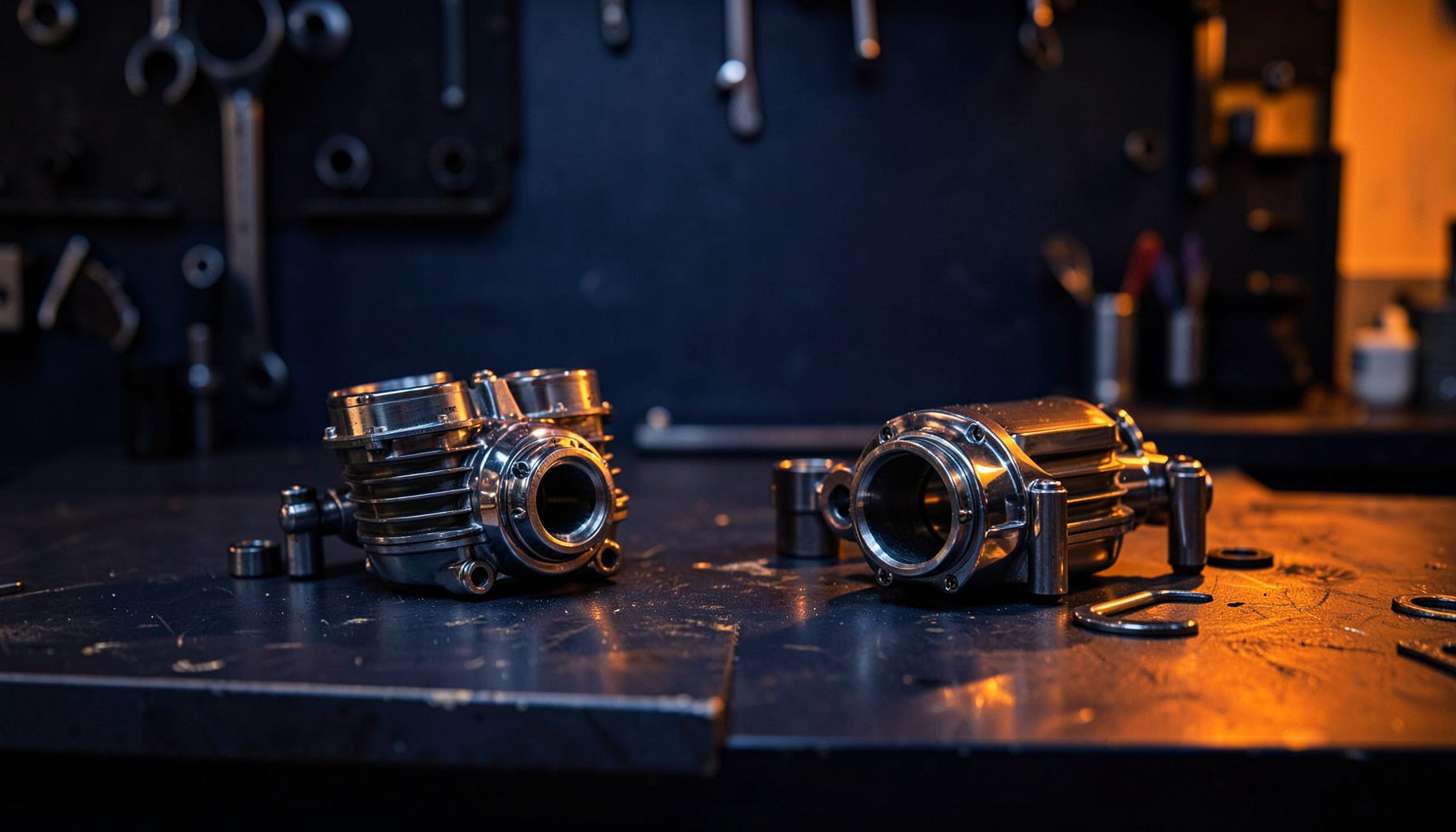
Motorcycle Chain Care for Long Australian Rides
A well-maintained motorcycle chain can make a long ride smoother, quieter and safer. It transfers engine power to the rear wheel, so its condition affects acceleration, fuel use, handling and the life of related parts. A neglected chain may develop tight spots, excessive slack or damaged links far from the nearest workshop.
Long-distance riding in Australia adds extra strain. Red dust, fine sand, heavy rain, extreme heat and long stretches between towns can all affect a motorcycle’s final drive. A chain that seems acceptable during a short commute may need more frequent cleaning and inspection on a trip from Melbourne to Adelaide or along the Stuart Highway.
Before leaving, check the chain against the motorcycle manufacturer’s specifications rather than relying on a general measurement. Different bikes use different slack settings, and the correct figure may change with the rider’s weight, luggage and suspension position. The owner’s manual remains the best reference for adjustment and lubrication intervals.
It also pays to match replacement parts carefully. Pattern Parts supplies chains, sprockets, chain cleaning products and related motorcycle components for many makes and models. Confirm the exact year, engine size, chain pitch and number of links before ordering, especially when choosing an OEM-equivalent replacement or a performance upgrade.
Inspect The Drive Chain Before Departure
Start with the motorcycle on level ground, ideally with the engine switched off and the transmission in neutral. Rotate the rear wheel slowly and inspect the entire chain run. Look for stiff links, rust, damaged rollers, missing O-rings and sections that appear tighter or looser than the rest. A tight spot often indicates uneven wear rather than a simple adjustment issue.
Check the front and rear sprockets at the same time. Healthy teeth have a consistent shape, while worn teeth may look hooked, pointed or sharply angled in the direction of rotation. Replacing a worn chain while leaving damaged sprockets in place can accelerate wear on the new component. Chain and sprocket kits are often a sensible option when all three parts have covered substantial kilometres together.
Measure chain slack at the position where the chain is tightest. Do not assume that pulling the chain firmly by hand gives an accurate result. Excessive tension can overload the countershaft bearing and rear suspension, while too much slack may cause snatch, noise or contact with the swingarm. Make adjustments in small, even steps using the axle blocks.
Clean Without Damaging The Chain
A clean chain is easier to inspect and holds lubricant more effectively. Place the bike securely, use a rear paddock stand if appropriate, and move the wheel by hand. Apply a motorcycle-specific chain cleaner, then work around the chain with a soft brush. Avoid aggressive wire brushes that can damage seals or the surface of the rollers.
Rinse away residue according to the cleaner’s instructions and dry the chain thoroughly. Water left between the plates and seals can encourage corrosion, particularly after riding through coastal humidity or rain. Riders travelling near the Great Ocean Road, for example, may encounter salty air, spray and wet roads that deserve prompt cleaning once the bike is parked.
Avoid spraying cleaner directly onto brake discs, pads, tyres or electrical components. Overspray on the rear brake rotor can reduce braking performance, while lubricant on the tyre can create an immediate safety risk. A piece of cardboard behind the chain helps contain mess and protects nearby components.
Choose And Apply Chain Lubricant
Use lubricant designed for the type of chain fitted to the motorcycle, including sealed O-ring, X-ring or Z-ring designs. A quality product reduces friction and helps protect metal surfaces, but applying too much can attract grit. Spray the inner run of the chain while turning the rear wheel by hand, allowing the lubricant to reach the rollers and pins.
The best time to lubricate is usually after a ride, once the chain has cooled and been cleaned. This gives the product time to settle before the motorcycle is used again. If you apply lubricant immediately before setting off, centrifugal force can fling it onto the wheel, swingarm and brake area.
Conditions determine how often to reapply it. A dry sealed road may require less attention than a dusty gravel section or a wet crossing. On a trip through the Queensland outback, inspect the chain at each fuel stop when practical. A quick look for dry plates, packed dust or unusual noise can identify a problem before the next remote stretch.
Adjust For Touring Loads
Luggage, a pillion and extra fuel change how the rear suspension settles. Because the relationship between the countershaft, swingarm pivot and rear axle changes as the suspension moves, chain tension must be checked using the manufacturer’s touring or loaded-rider guidance where provided. Setting the chain too tightly for an unloaded bike can create excessive tension once the motorcycle is carrying camping gear.
After adjustment, confirm that both axle blocks are aligned and tighten the rear axle to the specified torque. Recheck the slack after a short ride. If the adjustment marks are near the end of their range, the chain may be stretched beyond its service limit. Frequent readjustment is a warning sign, not a substitute for replacement.
Carry a compact way to measure slack, such as a small ruler, and make a habit of checking at fuel stops. Australian distances can make minor faults significant: a noisy chain outside Coober Pedy or between roadhouses on the Nullarbor may leave limited repair options. A simple inspection routine is easier than arranging recovery in an isolated area.
Handle Problems On The Road
A chain that develops a sudden tight spot, produces repeated knocking or visibly throws lubricant should be treated seriously. Stop in a safe location, allow hot parts to cool and inspect the chain, sprockets and rear wheel alignment. Do not continue at highway speed if a link is cracked, a seal is missing or the chain is contacting the swingarm.
A small roadside kit can help with cleaning and inspection, though it cannot replace proper repairs. Pack items that suit the motorcycle and the route:
- A compact chain cleaner or suitable degreasing wipe
- Motorcycle chain lubricant in a travel-size container
- Nitrile gloves, a small brush and absorbent rags
- A ruler or chain-slack gauge
- Basic tools for axle and chain-adjuster fasteners
If the chain breaks, do not attempt to ride the motorcycle. A temporary master link repair may be possible only with the correct chain type, tools and experience, and it must be checked carefully before use. For remote Australian travel, confirm recovery options and workshop locations before leaving mobile coverage.
When replacing parts, verify compatibility with the motorcycle’s make, model and year. Changing sprocket sizes can alter gearing, acceleration, engine speed and speedometer behaviour, so it should be treated as a considered modification rather than a quick fix. Ordering the right chain, sprockets and fitting hardware together can prevent delays when a bike is being prepared for a major tour.
Clean, lubricate and inspect the chain before departure, then build brief checks into every riding day. Browse Pattern Parts for motorcycle chains, sprockets, cleaning supplies and maintenance components suited to your bike, and use the available fitment information to prepare your next Australian ride with greater confidence.