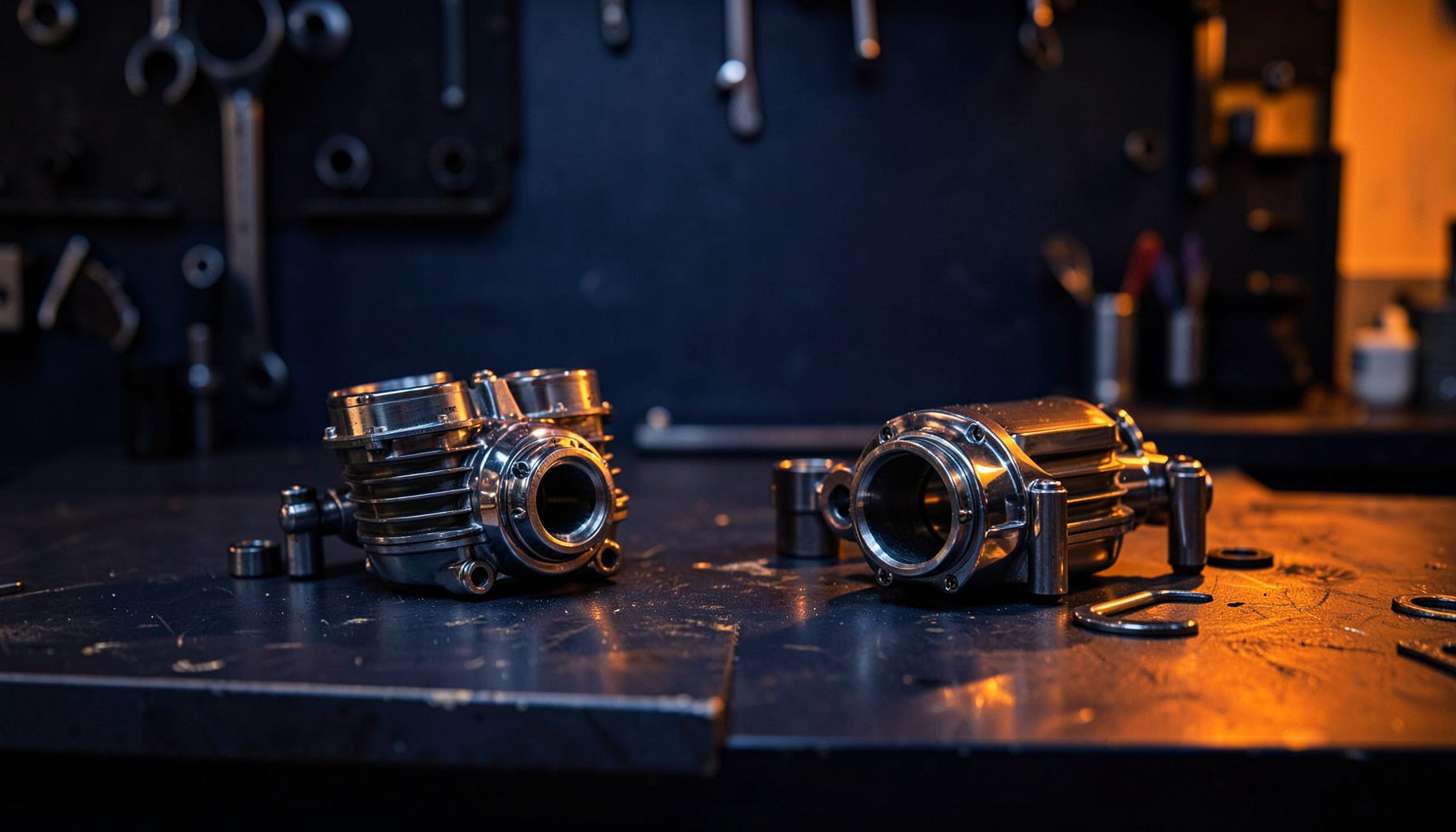
What to look for when buying a used motorcycle engine
Buying a used motorcycle engine is easier when you know exactly what the seller is offering. A complete, running unit with its electrics and accessories is worth more than a bare engine, and both differ from a cheap project that needs an overhaul. Match the engine to the motorcycle first, then judge its condition and calculate the full cost.
Across Australia, second-hand engines pass through dealers, workshops, private sellers and project bikes. Local weather, freight distances and import rules can change their value, so the asking price tells only part of the story. The checks below cover fitment, condition, running tests and the costs that often appear after the sale.
Start with the motorcycle’s original specification
Find the exact year, model and engine code from the motorcycle’s manual, data plate or existing components. The code often appears on a casting or sticker and can be checked against the manufacturer’s parts catalogue. Similar-looking engines may differ in compression ratio, ignition system, fuel injection, gearbox or exhaust mounting.
Compatibility reaches beyond the cylinder head. Confirm the intake and throttle-body layout, cooling requirements, wiring and immobiliser, engine cases, starter, alternator, radiator and exhaust ports. Ask whether the seller’s motorcycle used the same engine; a genuine fitment should be verifiable by part numbers, not appearance alone. If major changes are planned, speak with an insurer and the relevant state authority before purchase.
Check the history and the paperwork
Look for dated service records, workshop invoices, previous replacement engines and records of overheating, flooding, racing or track use. A low reading on the odometer is less persuasive than a consistent service trail, while some older motorcycles have hour meters rather than reliable distance records. Engine swaps may explain a different serial number, but they should come with documentation.
Ask the seller to explain what is included, known faults and recent work. Cold-start footage and a running demonstration can support the story, although they cannot reveal a cracked case, worn gearbox or poor oil pressure. Have a motorcycle mechanic inspect an engine that will not start, especially if the seller calls it a “runner” without providing evidence.
Inspect the internals and the leaks
A compression test compares cylinder pressure with the maker’s specification, while a leak-down test helps show where escaping air goes. Neither result stands alone: readings can reflect worn rings, valves or a head gasket. Inspect the spark-plug holes with a borescope if possible, looking for scoring, cracks, piston damage and combustion deposits.
Check the crankcase, cylinder base, cam covers, coolant lines and joints for fresh or old seepage. Metallic debris in the filter or oil drain plug, or oily coolant, can point to a failed gasket or a damaged liner. Listen for mechanical noise and have the oil-pressure system checked on a warm engine. A clean exterior can conceal a lubrication problem, so inspection matters more than cosmetic tidiness.
Look for corrosion and heat damage
Around Brisbane, salt-laden sea air and humidity encourage corrosion in cooling passages, mounting points and fasteners. Surface rust may be superficial, but pitting, crusting around coolant joints or threads that crumble under a spanner are stronger warnings. Do not scrub away corrosion before photographing and assessing it.
Heat damage leaves its own clues. Look for scorched fins, brittle hoses, cracked cooling fans and bubbling coolant. A head that has overheated may be warped even if it starts and idles normally. Engines recovered from floodwater, mud or a seizure can look surprisingly presentable, so their history deserves the same scrutiny as the visible parts.
Price the engine with its hidden extras
Melbourne’s established dealer and project-bike market gives buyers plenty of choice, but compare what the seller calls an engine against what a motorcycle actually needs to run. A “complete” engine may exclude the engine control unit, injection hardware, wiring loom, throttle bodies, airbox, fuel tank, radiator, exhaust, clutch, gearbox, starter, alternator, pulleys, hoses and engine mounts. Missing accessories can cost more than the engine itself.
Get a written list of included components, then price replacement parts and consumables such as gaskets, seals, oil, coolant and filters. Freight can alter the equation between Australian cities. Moving a heavy engine from Melbourne to Perth may require insured transport, a suitable pallet and careful loading, so obtain a door-to-door quote before agreeing on the price.
For an imported engine, ask a customs broker to confirm the tariff classification, applicable GST, clearance paperwork and whether biosecurity cleaning is required. Check current requirements with the broker or Australian Border Force before paying.
Test it cold, hot and under load
The most useful demonstration starts with a cold engine. Watch for hard starting, warning lights, unstable idle, hesitation, irregular revs and unusual mechanical noise. Check that oil pressure and charging come into range, then let the engine reach operating temperature. A hot restart can reveal problems that disappear once everything is warm.
Listen for knocking, rattling or a harsh exhaust note, and watch for smoke, coolant loss and shifting heat. Some faults appear only when the motorcycle is ridden rather than idled in the yard. Ask the seller to take it onto a suitable road or provide a comparable loaded test where legal and safe. Never run an engine with a fuel leak, loose component or missing cooling-system part.
Agree the purchase and plan the installation
Put any engine number, condition, included components and known faults on the sale agreement. For a non-running engine, consider a written inspection arrangement and have the mechanic quote the likely rebuild before money changes hands. A discount is useful only if the savings survive the necessary work. Photograph the engine, fasteners and packaging before collection so transit damage is easy to document.
The installation budget should cover labour, fresh gaskets and seals, fluids, filters, hoses, batteries and electrical repairs. If the motorcycle will be off the road during the work, temporary car rental may help cover local transport needs. Use the correct procedures for valve clearances, ignition timing, torque settings and the first fill of oil and coolant.
After installation, arrange any required roadworthy certificate and keep the paperwork with the service records. If the engine has been rebuilt, follow the service manual’s running-in guidance. A sensible owner treats a used engine as a known quantity with a documented service plan, not as a guarantee disguised as a bargain.
Before committing, write down the engine code, the motorcycle’s requirements and the seller’s missing parts. Browse the Pattern Parts catalogue for filters, chain and sprocket sets, electrical items, exhausts, big bore kits and engine components, then price those items against the chosen engine. Start with the engine code and complete rebuild quote, and purchase only when the fitment, condition and full cost all make sense.