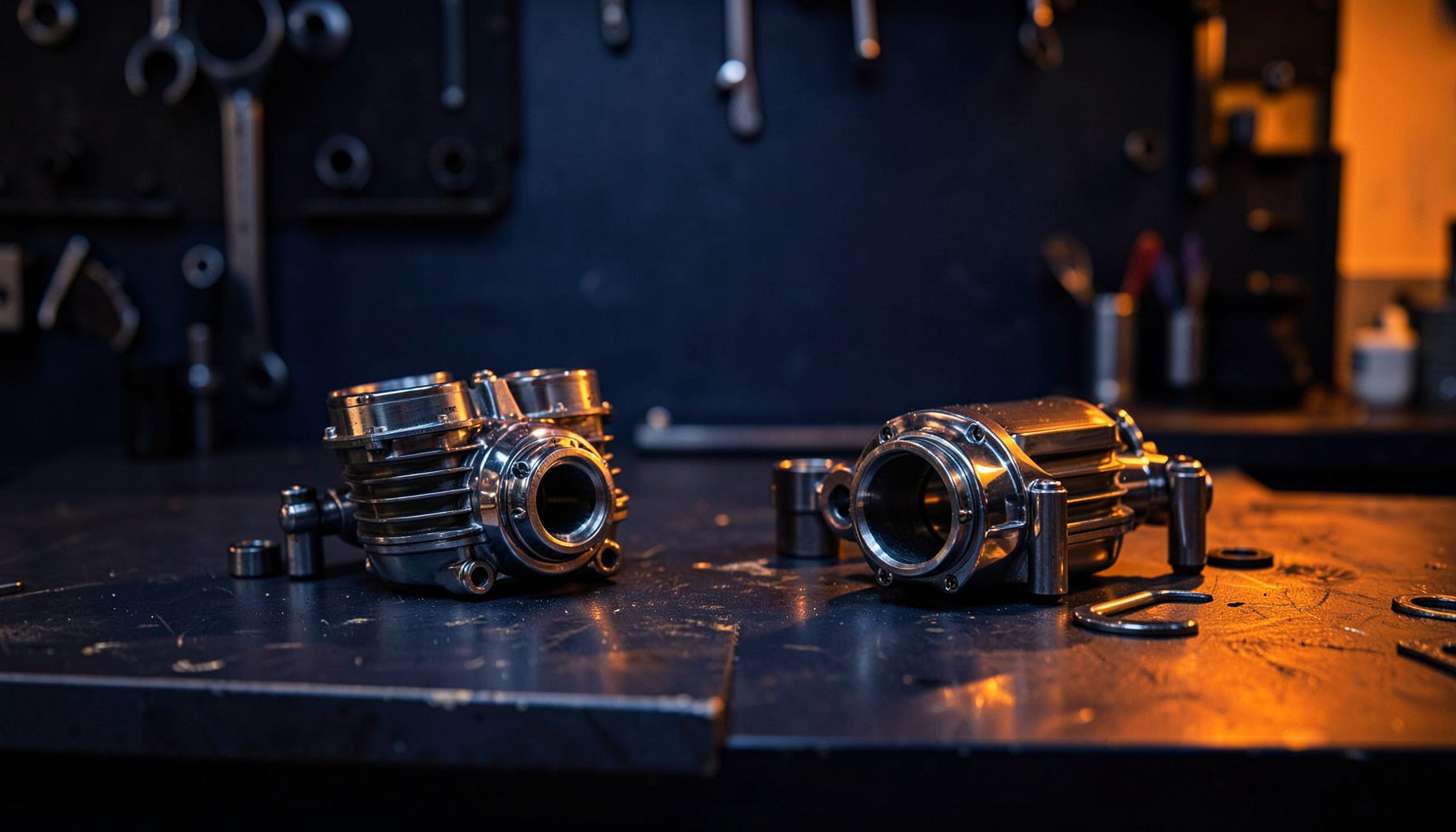
Why Your Motorcycle Might Need An Oil Cooler Upgrade
Motorcycle engine oil does much more than lubricate moving parts. It carries heat away from bearings, pistons, clutch components and the gearbox, then releases that heat through the engine cases and sump. When temperatures climb beyond the oil’s comfortable working range, lubrication can deteriorate and engine wear may accelerate.
An upgraded oil cooler can provide a useful thermal safety margin for riders who spend long hours in traffic, tour through hot regions or have modified engines. It is not an automatic requirement for every motorcycle, though. The right solution depends on the bike’s standard cooling system, riding conditions, engine specification and the quality of the installation.
When Engine Oil Runs Too Hot
Oil temperature rises quickly when an engine is under sustained load. Slow-moving traffic around Sydney, Brisbane or Melbourne can leave a motorcycle producing heat without much airflow across its cases. Long climbs, heavy luggage, a pillion passenger and high-speed motorway riding add further stress.
Australian conditions can be especially demanding. A rider crossing the Hume Highway in summer, travelling through inland New South Wales or riding around the Northern Territory may experience ambient temperatures well above those found in the climate where the motorcycle was designed. Dust, low-speed trail work and extended idling can make heat management harder still.
Oil that becomes excessively hot may thin beyond its ideal viscosity and lose some resistance to oxidation. Over time, this can contribute to sludge, varnish, degraded additives and increased wear. A hotter engine may also feel rougher, suffer from clutch hesitation or show signs of reduced performance during a long ride.
Signs Your Motorcycle Needs More Cooling
A high oil temperature reading is the clearest warning, provided the motorcycle has a reliable gauge or sensor. Some riders notice the engine becoming less smooth after an hour in traffic, while others may experience harder gear changes, clutch drag or a smell of overheated oil after stopping.
Repeated oil degradation is another clue. If fresh oil turns very dark quickly, develops a burnt smell or loses its normal consistency before the recommended service interval, excessive heat may be part of the problem. These symptoms can have other causes, so checking oil level, air-fuel settings, engine condition and cooling-system operation remains important.
Modified motorcycles deserve closer attention. Big bore kits, higher-compression pistons, performance camshafts, turbocharging and aggressive tuning can generate more heat than the original oil system was designed to manage. A freer-flowing exhaust or remapped fuel system may also change combustion temperatures and engine load.
Benefits Of An Aftermarket Oil Cooler
An oil cooler uses airflow to reduce the temperature of circulating engine oil. Most systems place a compact stacked-plate or tube-and-fin heat exchanger in a position where it receives clean air, then connect it to the engine through purpose-made hoses, fittings and an adapter plate.
Lower oil temperature can help the lubricant maintain a more stable viscosity during demanding riding. This supports a consistent oil film around high-load components and may reduce thermal stress on piston skirts, crankshaft bearings and the clutch. The benefit is usually greatest during sustained riding rather than short trips.
A suitable motorcycle oil cooler can also improve confidence on touring routes. Riders heading from Perth towards the heat of the Pilbara, tackling Queensland’s inland roads or crossing the Nullarbor may value extra protection when service facilities are far apart. It will not repair a worn engine, correct an overly lean tune or replace regular oil changes, but it can complement a sound maintenance routine.
Choosing The Right Oil Cooler Kit
Compatibility should come before cooler size. Check the motorcycle’s make, model, year, engine configuration and existing oil plumbing before buying. The kit should include suitable mounting hardware, lines and fittings, with enough clearance from the exhaust, front wheel, suspension movement and steering components.
A thermostat-controlled system is often a sensible choice for road motorcycles. It allows the oil to warm to an appropriate operating temperature before directing flow through the cooler. This matters in cooler conditions, including winter mornings in Tasmania, the Victorian High Country or the Blue Mountains, where excessive cooling can be as unhelpful as excessive heat.
Large is not automatically better. An oversized cooler can add unnecessary weight, increase vulnerability to stone damage and make hose routing difficult. Look for a reputable unit with a robust core, dependable seals and a design suited to the motorcycle’s normal oil pressure and flow. Confirm whether the engine requires a specific adapter or bypass arrangement.
Installation And Ongoing Checks
Mount the cooler where it receives direct airflow but remains protected from road debris. A guard may be worthwhile for adventure bikes and motorcycles used on unsealed roads. Hoses should follow a secure route away from hot headers, sharp edges and moving parts, with enough flexibility for vibration and steering movement.
After installation, fill the system according to the manufacturer’s instructions and inspect every connection carefully. Start the engine, allow it to circulate oil, then check for leaks before riding. Recheck the oil level once the motorcycle has reached its correct inspection condition, since the cooler and lines add to the total oil capacity.
Inspect the cooler during routine servicing. Mud, insects and road grime can restrict airflow, while a small stone impact can damage the core. Clean it gently rather than using excessive pressure that could bend the fins. When ordering parts or equipment, allow time for transport by checking the supplier’s delivery information, particularly before a planned trip across a large distance.
Practical Recommendations For Australian Riders
The best upgrade is one that matches the motorcycle and the way it is ridden. Before purchasing, consider whether the bike is genuinely operating at excessive temperature or whether another fault is creating the symptoms.
Keep these points in mind:
- Check oil level, oil grade, cooling-system operation and engine tuning before fitting an auxiliary cooler.
- Choose a model-specific kit where possible, with a thermostat for motorcycles used in varied Australian climates.
- Protect the cooler from stones and off-road debris without blocking its airflow.
- Use heat-resistant hoses and route them well clear of exhaust headers and moving suspension parts.
- Monitor oil temperature after installation and inspect for leaks at every early ride and service.
A cooler should support the original design rather than overwhelm it. On a standard commuter used for short suburban trips, the factory system may already be entirely adequate. For a tuned street bike, heavily loaded tourer or adventure motorcycle crossing hot and remote country, additional oil capacity and airflow can be a worthwhile investment.
When engine temperatures remain controlled, oil can perform its protective role more effectively and the motorcycle is better prepared for demanding conditions. Review your bike’s symptoms, modifications and usual routes, then select a compatible oil cooler and installation hardware from a specialist motorcycle parts supplier. Make the upgrade before the next long run, rather than waiting for heat-related problems to interrupt it.