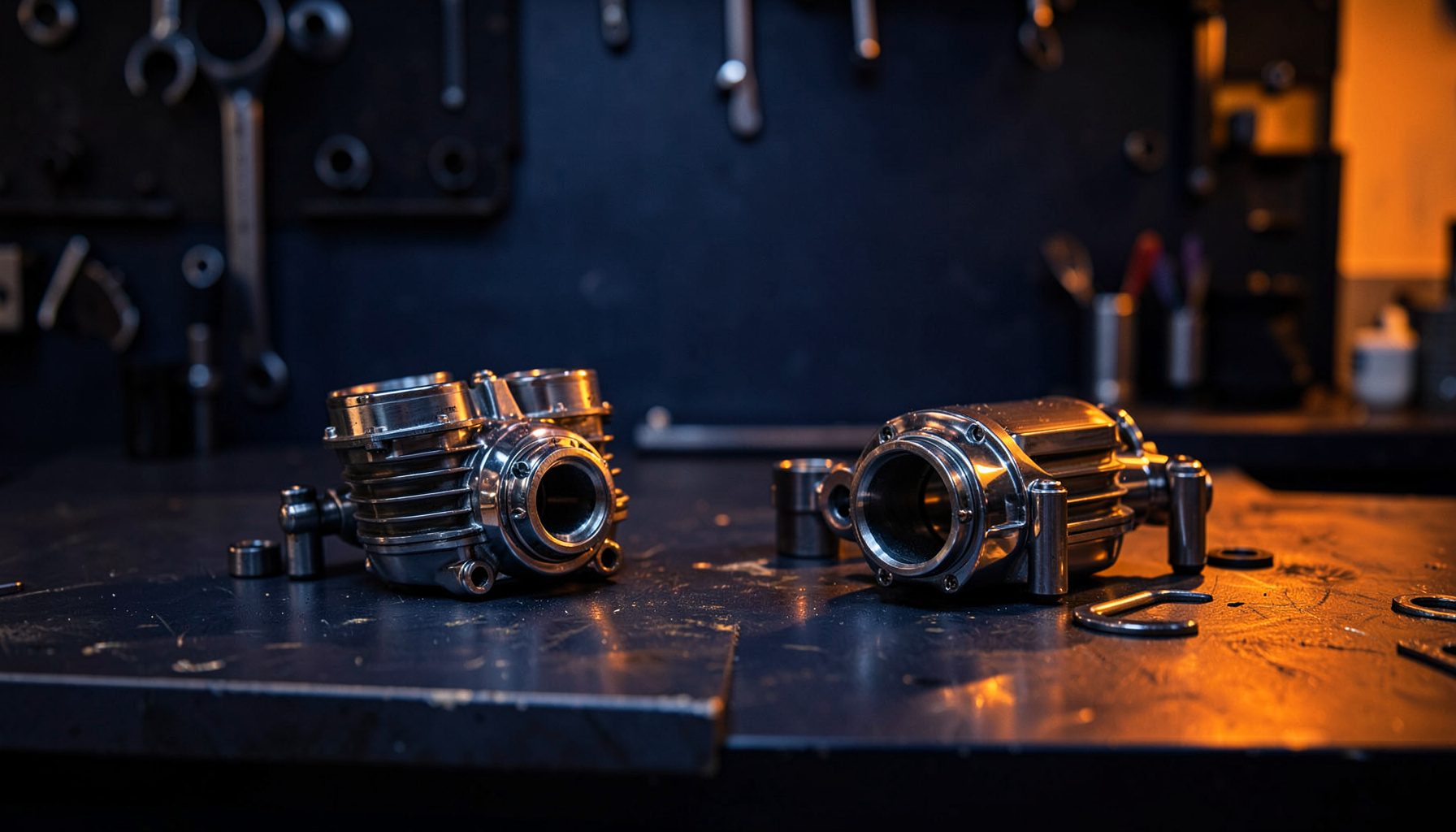
Why a Fresh Air Filter Matters Before Winter Riding
Most Aussie riders clock plenty of kilometres through the warmer months, bombing down the Great Ocean Road or cutting through the bush on a weekend trail ride. By the time the cooler weather rolls in from June, the motorcycle's air filter has usually copped a beating from dust, insects, and debris. A clogged or dirty filter quietly saps performance right when you need your bike running at its sharpest.
Winter down under is a different beast depending on where you live. In Hobart or the Victorian Alps, temperatures can drop well below freezing, and snow is common around Mt Buller, Falls Creek, and Hotham. Up in Cairns or Brisbane, you might still ride in a t-shirt through July. Either way, swapping out a tired air filter before the cold snap keeps the throttle responsive, protects the engine internals, and often shaves a bit off the fuel bill.
Australian conditions throw a few unique curveballs at filters. Red bulldust out in the Simpson or the Red Centre is finer and more abrasive than typical city grime. Coastal salt spray near Byron Bay or along the Mornington Peninsula corrodes paper elements faster. Even the gum leaves dropping through Sydney's inner west can mat down a foam filter surprisingly quickly.
The fix is straightforward and cheaper than a rebuild. With more than 30,000 products listed at Pattern Parts, finding the right replacement for a Honda CRF, a BMW R 1250 GS, or a Yamaha MT-07 takes a few clicks. Here's everything worth knowing before you pull out the old filter and slot in a new one.
How an Air Filter Protects Your Engine
The filter sits between the intake and the throttle body, trapping dust, sand, moisture, and organic matter before they reach the combustion chamber. A clean element lets the engine breathe properly, keeping the air-fuel ratio balanced. Once the filter starts clogging, the bike has to work harder to gulp in the same volume of air, and the engine management system compensates by dumping in more fuel.
That compensation shows up as poor throttle response, rougher idle, and a small but noticeable drop in kilometres per litre. Over time, a heavily restricted filter also raises intake temperatures, which can accelerate wear on pistons and cylinder walls. Riders tackling corrugated outback tracks or sandy fire trails around Wonnangatta are particularly prone to seeing filters block up well before the service interval.
A good filter doesn't just keep junk out. It also helps maintain cold-weather starting reliability. When the mercury drops, a slightly restricted filter combined with thicker oil can leave you turning the key far longer than you'd like on a frosty Thredbo morning.
Winter Riding Conditions Across Australia
The alpine regions of New South Wales and Victoria pull in adventure riders every winter. Snow gums, icy corners, and freezing fog demand reliable kit. Heated grips, good tyres, and a properly tuned engine become essentials, not luxuries. A dirty filter in those conditions can leave the bike hesitant when the road climbs sharply through the mountains.
In the suburbs of Melbourne, Adelaide, and Perth, winter still means wet roads, cold morning commutes, and salt gritted onto the bitumen after July frosts. That salt finds its way onto the bike, including the airbox, and a saturated paper filter holds moisture against the intake, which is never a good combination for longevity.
Up north, the dry season brings its own headaches. Fine topsoil from grazing land drifts across the Stuart Highway, coating everything in a pale film. Filters on long-haul rides between Alice Springs and Tennant Creek often need attention more frequently than manufacturer schedules suggest. Tropical humidity in Darwin also encourages mould and mildew to colonise foam elements if the bike is stored outside.
Signs Your Filter Needs Swapping
Most manufacturers recommend inspecting the air filter every 5,000 to 10,000 kilometres, but Australian riding often shortens that window. Visible grime, dark staining on the element, or a noticeable drop in performance are the obvious giveaways. If you hold the filter up to a strong light and can't see much through it, replacement time has arrived.
Reduced acceleration under load is another classic symptom. The bike may feel sluggish when overtaking on the Pacific Motorway or pulling up a steep grade near Bathurst. Fuel consumption creeping up without any change in riding style points the same direction. A rough or hunting idle at the lights, particularly when the engine is cold, is also worth checking.
Some riders also report a faint exhaust smell that's stronger than usual. A blocked filter forces the mixture richer, leaving unburnt fuel passing through the exhaust. That wastes petrol and can slowly contaminate the catalytic converter or coat the spark plugs with soot.
Filter Types and What Suits Australian Riding
Paper pleated filters are the standard for most street bikes and offer excellent filtration for the price. They cope well with suburban commuting and the occasional gravel detour. Foam filters, often oiled, are the go-to for serious off-roaders tackling the Victorian High Country or the Cape York tracks. They filter finer particles and can be washed, re-oiled, and reused, which suits riders who clock high hours in dusty terrain.
Cotton gauze filters from well-known performance brands allow higher airflow than paper, which can marginally boost horsepower. They're popular for sportsbike owners chasing a bit more response from a Suzuki GSX-R or a Kawasaki ZX-6R. They're not the best choice for anyone riding regularly through bulldust or coastal salt, though, as the gauze can hold fine particles and moisture.
OEM-equivalent replacements from suppliers like Pattern Parts guarantee the correct fit and filtration rating for each specific model. Aftermarket performance filters are a worthwhile upgrade for many riders, provided the bike is mapped appropriately and the riding conditions justify the extra airflow.
Replacement Basics and What to Check
Before pulling the old filter, give the airbox a quick vacuum or wipe-down to stop loose debris falling inside when the element is removed. Most bikes use clips, screws, or a single bolt to hold the airbox cover in place. A Phillips or Torx driver is usually all that's needed, though some models hide fasteners under the seat or behind fairing panels.
Always compare the new filter against the old one before fitting it. The dimensions, gasket position, and airflow direction arrow should match. Reusing an old gasket is fine if it's still soft and seated cleanly, but a cracked or hardened gasket will leak unfiltered air past the filter, defeating the purpose of the swap.
Refit the cover firmly and double-check any intake hoses or breather pipes that were disconnected. A loose boot or pinched breather can draw air straight from the engine bay, bypassing the filter entirely. Once everything is buttoned up, a short ride around the block confirms the throttle response and idle have returned to crisp.
Pre-Winter Filter Checklist
- Inspect the current filter for staining, matting, or visible holes before the first cold snap.
- Choose a filter type suited to your usual terrain, whether that's foam for dirt, paper for commuting, or gauze for performance.
- Stock a spare if you ride remotely, particularly across the Top End or through the Flinders Ranges.
- Replace the gasket or use fresh sealant if the existing parts show signs of hardening.
- Reset the service reminder on bikes with electronic logs after the swap.
Stocking up on a fresh filter now beats being stranded halfway between Lightning Ridge and the next town with a choked engine. Pattern Parts carries filters for virtually every popular motorcycle sold in Australia, with same-week dispatch for most metro and regional postcodes. Pull up the website, punch in your bike's make and model, and have a new element sitting on the bench before the mercury starts dropping.