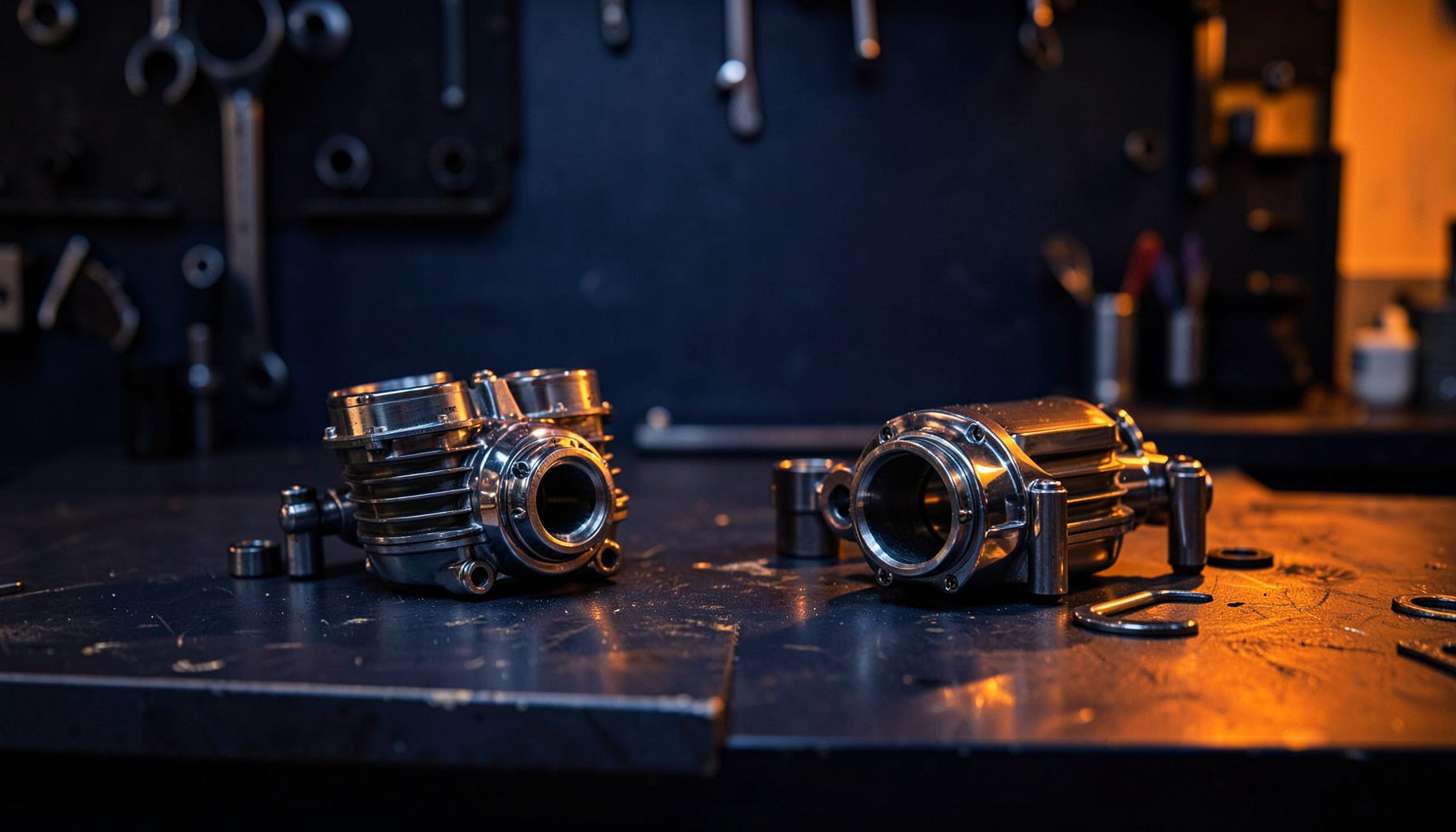
Why Regular Motorcycle Timing Chain Replacement Matters
A motorcycle timing chain synchronises the crankshaft and camshaft, allowing the valves to open and close at the correct moment. It works inside the engine under constant heat, pressure and friction, so its condition has a direct effect on starting, performance, fuel use and engine safety.
Timing chains are often described as maintenance-free, but that does not mean they last forever. Wear develops gradually, and a chain that has stretched beyond its safe operating range can cause poor running or severe internal damage. Regular inspection and replacement at the interval recommended for your motorcycle is a sensible way to protect the engine.
For Australian riders, this matters across a wide range of conditions. A commuter in Melbourne may spend hours in stop-start traffic, while a rider crossing long distances between regional towns may place sustained load on the engine. Heat, dust and limited access to workshops in remote areas make preventive motorcycle maintenance especially valuable.
How A Timing Chain Wears
A timing chain gradually lengthens as its links, pins and rollers wear. The chain may still look intact, but its increased slack can alter camshaft timing. The tensioner and guide rails compensate for some movement, although they have a limited adjustment range.
Engine oil quality has a major influence on service life. Old, contaminated or incorrect oil can increase friction around the chain, camshaft sprockets and tensioner. Short urban trips, neglected oil changes and long periods of high engine temperature can accelerate deterioration.
The chain is only one part of the timing system. Worn guides, a weak tensioner or damaged sprockets can create similar symptoms, and fitting a new chain to severely worn components may provide only a temporary fix. A complete timing chain kit is often the more reliable repair.
What Happens When Replacement Is Delayed
A stretched chain can produce a rattling or slapping sound, especially during cold starts or at idle. The noise may disappear as engine speed rises, which can make the problem easy to dismiss. A mechanic should investigate any new metallic rattle coming from the camshaft or cylinder-head area.
As valve timing moves away from specification, the motorcycle may become harder to start or develop uneven idle, reduced throttle response and weaker acceleration. Fuel consumption can increase as the engine struggles to burn the mixture efficiently.
The most serious risk is chain jumping or breaking. If the camshaft loses its correct relationship with the crankshaft, valves can contact the piston in many interference engines. Repair may then involve bent valves, damaged pistons or a complete cylinder-head rebuild, costing far more than scheduled replacement.
Recognising The Warning Signs
Listen for rattling on start-up, particularly when the noise is new or becoming more frequent. Pay attention to rough running, misfiring, sluggish response and an engine warning light. Some motorcycles may store camshaft timing or crankshaft synchronisation fault codes, although a diagnostic scan does not replace a mechanical inspection.
A timing chain problem can resemble a worn cam-chain tensioner, poor fuel delivery, an ignition fault or incorrect valve clearances. Avoid replacing parts based on sound alone. A workshop can check tensioner extension, timing marks, camshaft alignment and chain deflection according to the manufacturer’s procedure.
Riders should also check the service history before buying a used motorcycle. If there is no record of timing chain inspection on a high-mileage bike, allow for that work when assessing its value. This is especially useful in Australia’s large second-hand market, where motorcycles may have travelled extensively between cities or rural areas.
Choosing The Right Replacement Interval
There is no universal timing chain replacement mileage. Some manufacturers specify inspection intervals rather than a fixed replacement date, while others provide a service limit based on chain stretch, tensioner travel or camshaft timing. Always start with the owner’s manual or workshop manual for the exact engine.
Usage affects the practical interval. Frequent track riding, high-rpm touring, towing a small trailer where permitted, dusty off-road riding and neglected oil changes can justify earlier checks. A motorcycle used gently for occasional weekend rides may experience less wear, though age and oil contamination still matter.
A scheduled inspection is particularly worthwhile before a long ride across the Nullarbor, through the Queensland outback or along remote stretches of Western Australia. A minor timing-system noise near a major city may be inconvenient; the same fault far from a populated area can become a serious recovery problem.
Selecting A Quality Timing Chain Kit
Use a chain and related components that match the motorcycle’s exact year, model, engine version and market specification. Model names can cover several generations, and small differences in camshaft sprockets, guide design or tensioner fitment can make an apparently suitable part incorrect.
A reliable kit may include the timing chain, guides, tensioner and required joining link or gasket. Reusing a stretched guide or a weak automatic tensioner can undermine the repair. On some engines, replacing the complete set is more efficient because much of the labour involves accessing the same components.
Pattern Parts supplies motorcycle spares and engine components for a broad range of brands and models, including OEM-equivalent replacements and performance-focused aftermarket parts. Check the listing carefully, compare engine codes where available and use the manufacturer’s specifications before ordering.
| Situation | Sensible action | Main risk if ignored |
|---|---|---|
| New start-up rattle | Arrange a timing-system inspection | Guide or tensioner failure |
| High mileage with no service record | Check chain stretch and tensioner travel | Unexpected breakdown |
| Worn chain with damaged guides | Replace the complete timing set | Rapid repeat wear |
| Regular dusty or high-temperature riding | Inspect earlier and maintain oil changes | Accelerated chain wear |
| Preparing for remote touring | Service before departure | Recovery costs and engine damage |
Fitting And Maintaining The New Chain
Timing chain replacement requires accurate crankshaft positioning, correct cam timing and careful tensioner installation. A small error during reassembly can cause poor running or internal damage. Unless you have the service manual, locking tools and the right experience, this is work for a qualified motorcycle technician.
After installation, the mechanic should rotate the engine by hand where specified, confirm timing marks and check for abnormal resistance before starting it. The correct chain tension and fastener torque are essential. A new chain should never be treated as a substitute for proper assembly.
Continue with the correct grade and quantity of motorcycle engine oil, replace it at the recommended interval and keep the oil filter fresh. Avoid repeatedly postponing maintenance because the engine still runs smoothly; timing-system wear can progress quietly until the available adjustment is exhausted.
Protect your engine before a worn timing chain becomes an expensive failure. Find the correct chain, guides, tensioner or complete timing kit for your motorcycle through Pattern Parts, then arrange professional fitting where required. A carefully matched replacement and consistent oil maintenance can keep your bike dependable for daily riding, weekend trips and long Australian touring distances.