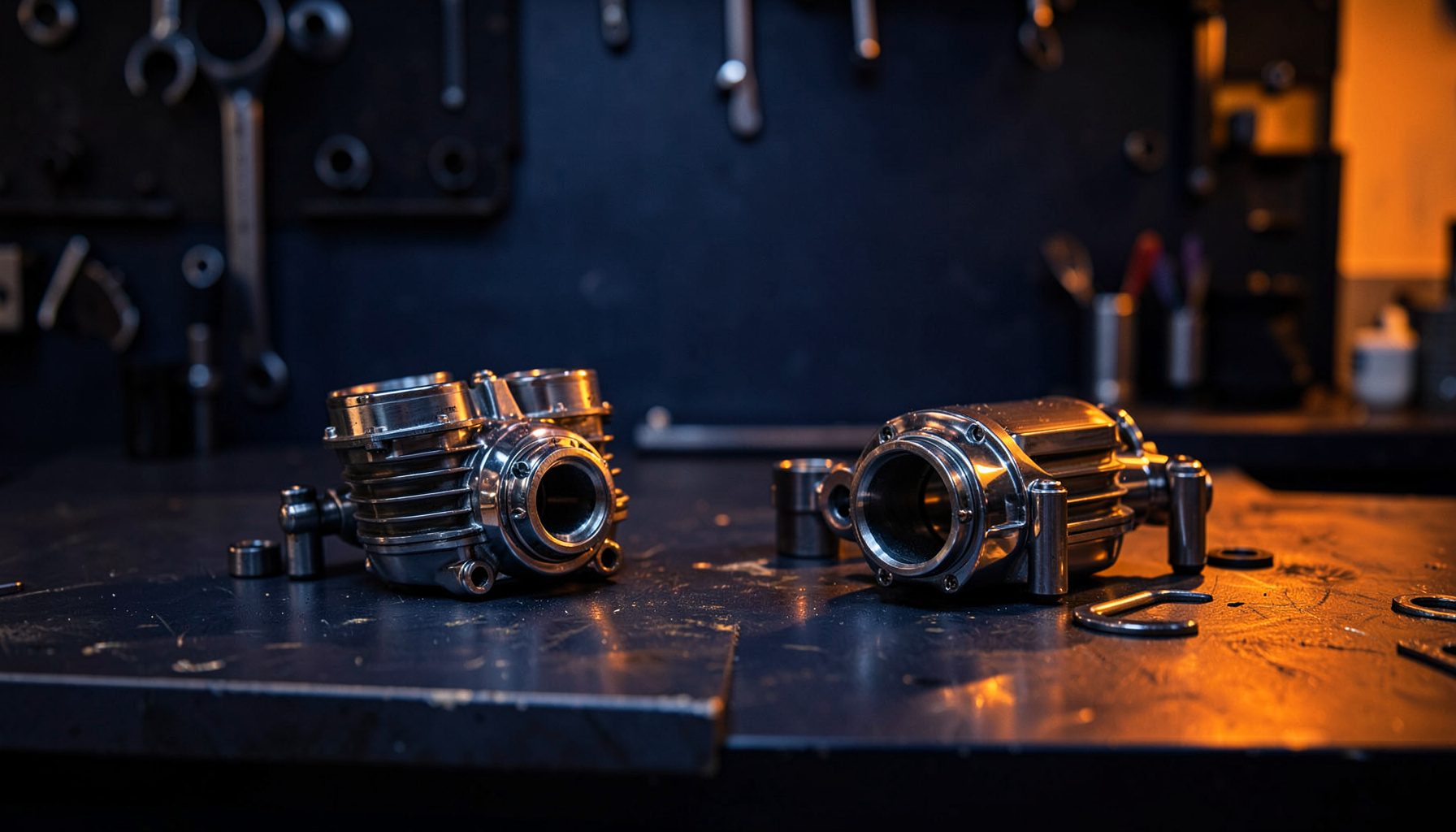
Motorcycle Overheating: Causes, Checks, And Practical Fixes
A motorcycle running warmer than usual can be unsettling, particularly when you are crawling through Melbourne traffic, climbing a pass outside Brisbane, or crossing a long stretch of road in Western Australia. Some heat is normal, especially on liquid-cooled bikes in slow traffic, but a rising temperature gauge, flashing warning light, boiling coolant, or sudden loss of power needs prompt attention.
The cause may be simple, such as blocked radiator fins or a low coolant level. It can also point to a failed thermostat, damaged water pump, cooling fan fault, lean fuelling, or a head gasket problem. Finding the cause early helps prevent warped cylinder heads, seized pistons, and an expensive engine rebuild.
Recognising Dangerous Engine Heat
Temperature gauges often rise when a bike is stationary because there is little natural airflow through the radiator. The cooling fan should normally switch on before the engine reaches a critical temperature and bring the reading back down. If the gauge continues climbing while the fan runs, the issue is likely more serious than normal summer heat.
Warning signs include coolant dripping beneath the bike, a sweet smell, steam, bubbling in the expansion tank, or a radiator hose that becomes excessively hard. Poor running, pinking under acceleration, sluggish performance, and an engine that cuts out when hot can also accompany an overheating problem.
Pull over safely if the warning light comes on or steam appears. Switch off the engine and allow it to cool naturally. Never remove a radiator cap while the system is hot, as pressurised coolant can cause severe burns. Moving the bike into shade is useful in the Australian sun, but avoid pouring cold water over a hot engine because sudden temperature changes can damage components.
Low Coolant And Airflow Problems
Check the coolant level only when the engine is cold. The expansion reservoir should sit between its marked limits, while the radiator itself should be full if the model allows direct access. Use the coolant specification listed in the owner’s manual; mixing incompatible types can reduce corrosion protection and create deposits.
Look for wet areas around hose joints, the radiator, water pump seal, and overflow pipe. A small leak may only appear when the system is hot and pressurised, so dried coloured residue around a connection is worth investigating. A pressure test can reveal leaks that are difficult to spot at home.
Mud, insects, dust, and road debris can restrict radiator airflow, especially after gravel-road riding or regional touring. Clean the fins gently from the rear with low-pressure water and a soft brush. Do not flatten the delicate fins with a pressure washer. If you are organising a tidy garage area for maintenance, these workshop storage ideas can help keep cleaning tools, coolant, and spare parts away from the bike’s working area.
Fans, Thermostats, And Water Pumps
A cooling fan that never starts may have a blown fuse, failed relay, faulty temperature switch, damaged wiring, or a worn fan motor. Check the fuse and listen for the fan when the temperature rises, but do not bypass safety circuits unless you are following a proper wiring diagram. Electrical testing with a multimeter can identify whether power is reaching the motor.
The thermostat controls when coolant flows through the radiator. If it sticks closed, the engine may warm quickly and overheat while the radiator remains relatively cool. If it sticks open, the engine may take too long to reach operating temperature. A replacement thermostat and seal are usually more reliable than trying to free a damaged unit.
The water pump circulates coolant through the engine. A worn impeller, damaged drive mechanism, or leaking mechanical seal can reduce circulation. Whining noises, coolant traces near the pump, or overheating that worsens under load can point in this direction. A qualified technician can confirm circulation and pressure before parts are replaced.
Engine Tuning And Internal Faults
An engine running too lean can create excessive combustion heat. Possible causes include a blocked fuel filter, restricted injector, intake leak, incorrect fuel mapping, or an airbox modification without suitable tuning. Aftermarket exhausts and high-flow filters may improve performance, but the fuelling setup must still suit the engine and the riding conditions.
Incorrect ignition timing can also raise combustion temperatures. On older carburetted motorcycles, a blocked jet, incorrect mixture adjustment, or a sticking choke mechanism can affect running temperature. Modern fuel-injected bikes may store fault codes that help identify sensor or fuelling problems, so diagnostic scanning is useful before dismantling the engine.
Persistent overheating with white exhaust smoke, milky engine oil, unexplained coolant loss, or bubbles entering the radiator may indicate a failed head gasket or a warped cylinder head. Compression testing, a cooling-system pressure test, and a chemical test for combustion gases can separate an internal engine fault from an ordinary cooling-system issue.
A Practical Diagnostic Routine
Work through the basic checks before buying a radiator, fan, or water pump. Record when the overheating occurs: at idle, under hard acceleration, on steep hills, or at highway speed. That pattern can narrow the fault. Heat in stop-start traffic often suggests airflow or fan trouble, while overheating at speed may indicate restricted coolant flow, low coolant, or an internal engine issue.
Use manufacturer-approved coolant and replace it at the recommended interval. Old coolant loses its protective qualities and may allow corrosion inside the radiator and water jackets. When refilling a system, bleed trapped air according to the workshop manual; an air pocket can prevent proper circulation and create misleading temperature readings.
- Inspect coolant level, leaks, hoses, and radiator fins with the engine cold.
- Confirm the cooling fan operates and check its fuse, relay, and wiring.
- Test the thermostat and water pump if temperature changes remain abnormal.
- Check fuel delivery, intake leaks, ignition timing, and fault codes.
- Stop riding and arrange professional testing if coolant disappears or steam returns.
Australian riding conditions make preventative maintenance especially valuable. A bike used around Darwin faces heat and humidity, while dust around Alice Springs can quickly clog airflow passages. Long distances between service points also make it sensible to carry approved coolant, check fluid levels before touring, and deal with a small leak before heading into remote areas.
A motorcycle that is overheating should not be treated as a nuisance to ride through. Inspect the cooling system, address airflow and electrical faults, and use proper diagnostic tests when the basic checks do not reveal the cause. Browse Pattern Parts for replacement filters, cooling-related service items, electrical components, engine parts, and upgrades suited to your motorcycle, then get the repair completed before the next hot commute or outback journey.