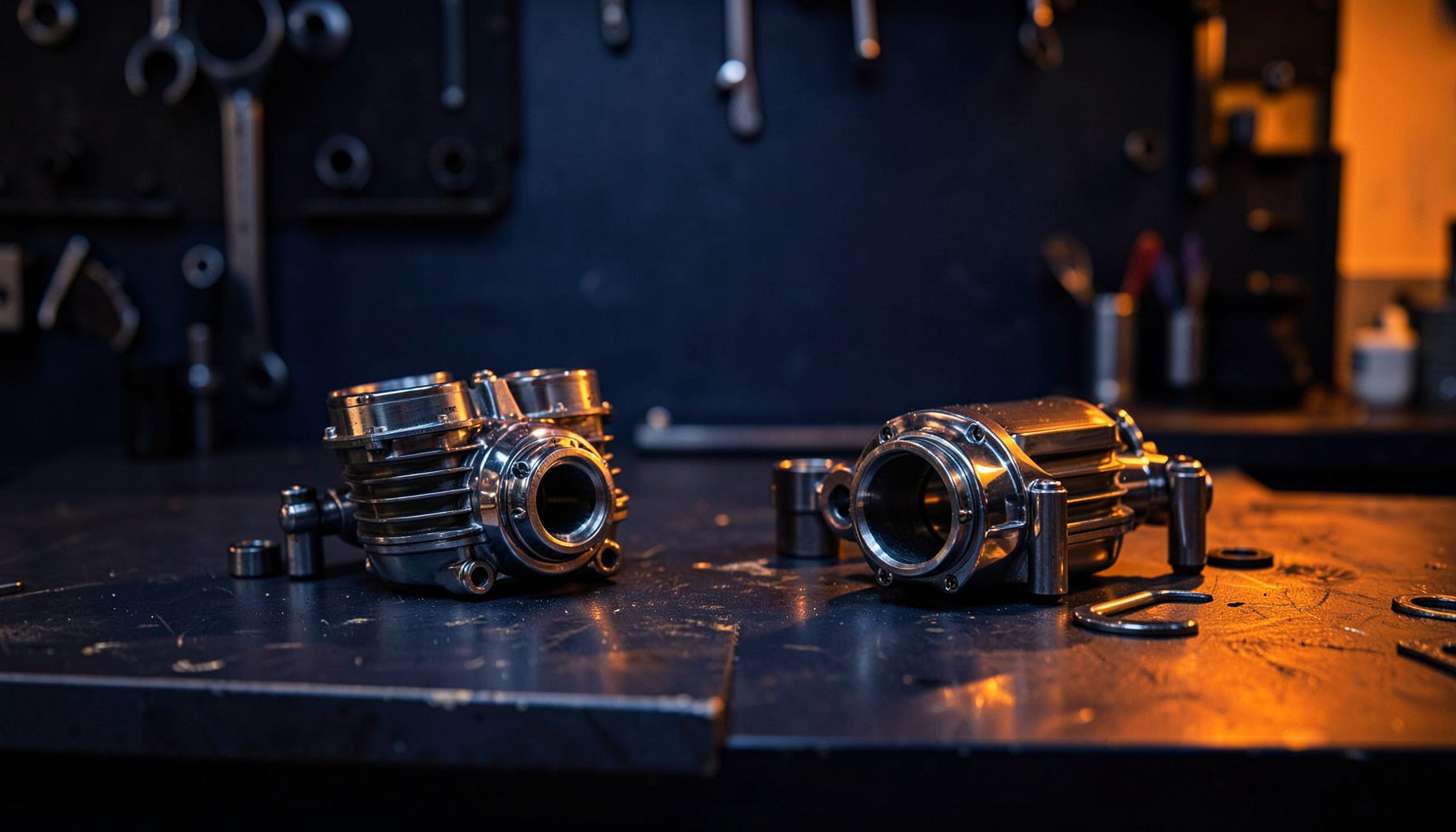
How To Break In A New Motorcycle Engine Or Rebuilt Top End
A new motorcycle engine or freshly rebuilt top end needs controlled running-in before it can deliver reliable power. Piston rings must bed against the cylinder wall, bearing surfaces need to settle, and components such as camshafts, valves and gears require time to establish their working patterns.
The correct method depends on the engine design, piston clearance, ring material, cylinder finish and the instructions supplied with the rebuild. A standard replacement piston may follow a different procedure from a high-compression piston, big bore conversion or competition engine. Always treat the builder’s specifications as the primary authority.
Australian riding conditions also affect the process. Summer heat in Brisbane, Perth or Adelaide can raise engine temperatures quickly, while stop-start traffic in Sydney or Melbourne provides little cooling airflow. A careful break-in routine helps prevent overheating, glazing, premature wear and oil contamination.
Confirm The Engine’s Break-In Requirements
Before starting the motorcycle, establish exactly what has been replaced. A complete new engine may need attention to crankshaft bearings, gearbox components and oil circulation. A top end rebuild usually focuses on the piston, rings, cylinder, cylinder head, valves, valve seats and camshaft.
Ask the workshop or check the service manual for the recommended maximum rpm, initial running period, oil grade and inspection intervals. Some manufacturers specify a gentle first 500 kilometres, while performance engine builders may recommend several short heat cycles followed by progressively harder acceleration.
If the rebuild includes increased displacement, confirm that the fuel system and ignition settings match the new configuration. A larger piston or big bore kit guide can require injector, carburettor, air filter or ECU changes. Running a modified engine too lean can create excessive combustion temperature and damage the piston.
Prepare The Motorcycle Before Starting
Use the correct engine oil and fill the system to the specified level. Prime the oil system where the manufacturer allows it, especially after an engine has been completely disassembled. On some motorcycles, cranking with the ignition or fuel disabled until oil pressure is established is appropriate; follow the workshop manual rather than guessing.
Check coolant level, hoses, radiator airflow, throttle operation, fuel connections and electrical plugs. Inspect the exhaust for leaks and confirm that the air filter is clean and properly seated. A loose intake connection can create an air leak and produce a dangerously lean mixture.
Fit a fresh oil filter if the engine has been rebuilt and use clean fuel from a reliable supplier. Australian riders should check whether the motorcycle is approved for E10, as some older fuel systems and motorcycles require premium unleaded such as 95 or 98 RON instead.
Use Controlled Heat Cycles
Start the engine and let it run only long enough to reach normal operating temperature. Do not leave a rebuilt engine idling on the stand for extended periods. Stationary idling provides limited airflow, particularly on fully faired motorcycles, and can cause heat to build faster than it would on the road.
Watch for oil pressure warnings, coolant leaks, unusual smoke, rattling, knocking or persistent mechanical noise. A small amount of assembly oil smoke may be normal, but blue smoke that continues after warm-up needs investigation. Shut the engine down immediately if the temperature rises abnormally or the oil warning remains illuminated.
Allow the motorcycle to cool completely, then repeat the heat cycle if recommended by the builder. These cycles let the piston, rings, cylinder and head expand and contract under controlled conditions. Recheck fluid levels and inspect for leaks before riding.
Vary Load And Engine Speed
The first road ride should take place on a quiet route where you can accelerate, decelerate and stop safely. Avoid long periods at a constant throttle position. Varying engine speed and load helps the rings seat against the cylinder without exposing the engine to sustained heat or high rpm.
Use moderate acceleration through the lower and middle part of the rev range, then close the throttle and allow engine braking. Do not labour the engine in a high gear at low rpm, as heavy combustion pressure can load the piston and bearings. Do not hold maximum rpm, perform repeated launches or use a dyno for full-power runs during the early stages.
A useful early ride might include several short acceleration and deceleration periods, followed by a complete cool-down. Increase the duration and load gradually over subsequent rides. On Australian roads, avoid starting the first run during the hottest part of the day or in congested city traffic where airflow is poor.
Follow A Practical Break-In Checklist
The following checks help catch problems before they become expensive failures. Record the mileage, oil changes and any symptoms in a service log, particularly if the engine was built with aftermarket parts.
Before the first ride
- Confirm oil, coolant and fuel levels
- Check for loose fasteners, leaks and intake gaps
- Verify throttle return, brake operation and chain adjustment
- Confirm the engine reaches normal temperature without overheating
During the first rides
- Vary rpm and throttle rather than cruising constantly
- Avoid sustained high speed, redline operation and heavy towing
- Stop for abnormal noise, smoke, warning lights or temperature changes
- Let the engine cool as recommended between early rides
These checks are especially useful for riders commuting around Melbourne or Sydney, where traffic can produce repeated heat soak. They also suit motorcycles used for weekend trips from Brisbane to the hinterland, where hills may place greater load on a fresh engine.
Change The Oil And Inspect The Results
Replace the oil and filter at the interval specified by the rebuilder. An early change may remove assembly residue, initial ring material and fine particles produced as components bed in. Do not assume that a high-performance synthetic oil is automatically the best choice during ring seating; some builders specify a particular mineral or semi-synthetic oil for the first period.
Inspect the drained oil and filter for unusual metallic flakes. A light grey sheen or very fine particles can occur during initial bedding, but large chips, copper-coloured material or magnetic fragments require professional assessment. Check the spark plug for signs of a rich or lean mixture, and inspect the air filter and breather system.
After the first service, gradually use more of the engine’s available rpm while continuing to monitor oil consumption, coolant level and starting behaviour. Recheck valve clearances, cam-chain tension, cylinder head fasteners and other items if the service schedule calls for it. Many modern engines use torque-angle procedures or one-time-use fasteners, so tightening by feel is not sufficient.
Adapt The Routine To Engine Type And Legal Use
A two-stroke top end has different requirements from a four-stroke because piston clearance, ring pins, fuel mixture and oil delivery work differently. Follow the manufacturer’s procedure for premix or oil-injection systems and avoid assuming that four-stroke advice applies. Competition motorcycles may also require a shorter, more controlled schedule than road bikes.
For a rebuilt motorcycle used on public roads, ensure modifications comply with Australian state or territory requirements. Exhaust noise, emissions equipment, lighting and registration rules can vary between jurisdictions. A motorcycle that is legal for track use may not be legal for road use, and removing emissions equipment can create inspection or registration problems.
Keep the first rides close to home and carry basic tools, a phone and recovery details. Once the engine has completed its prescribed running-in period and passed its inspections, it can be returned to normal service progressively. Choose replacement filters, brake parts, chains, sprockets and engine components that match the motorcycle and the way it is ridden.
Give a fresh engine the time, clean fluids and measured load it needs to settle correctly. Browse Pattern Parts for compatible motorcycle spares, maintenance components and performance upgrades, then follow the rebuild instructions carefully from the first start to the final inspection.