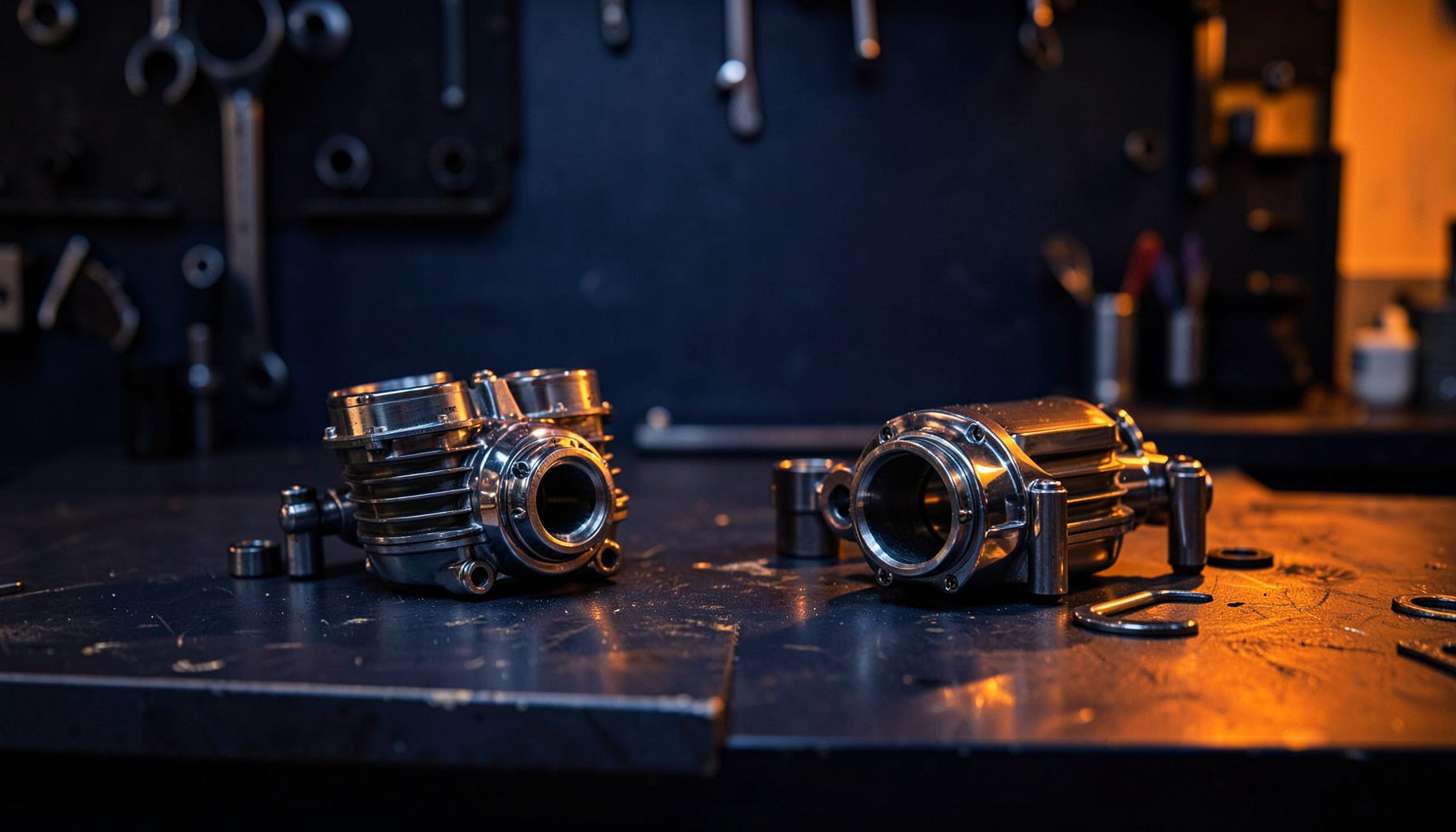
How V-Twin And Inline-Four Motorcycle Parts Differ
V-twin and inline-four engines create very different riding experiences, and that difference extends well beyond exhaust note and throttle response. Their internal layouts, firing patterns and cooling demands influence the shape, location and specification of many replacement parts.
For Australian riders, choosing the right component can be especially important. A bike used for commuting through Sydney traffic may need different priorities from one covering long distances across the Stuart Highway or climbing winding roads near Melbourne. Correct engine-specific parts help maintain reliability in heat, dust and varied riding conditions.
V-twins are commonly associated with strong low-to-mid-range torque, compact packaging and a distinctive pulse. Inline-fours generally deliver smooth power, high-rev performance and a broad operating range. Neither configuration is automatically better; the right choice depends on the motorcycle, its intended use and the rider’s maintenance habits.
The distinctions matter when buying filters, exhausts, ignition components, clutch parts, engine internals and tuning equipment. A part that appears similar in a product photo may have different dimensions, flow requirements or mounting points, so checking the exact make, model and year remains essential.
| Part Area | V-Twin Characteristics | Inline-Four Characteristics |
|---|---|---|
| Cylinder layout | Two cylinders arranged in a V, often at a manufacturer-specific angle | Four cylinders arranged in a single row |
| Power delivery | Strong pulses and useful low-speed torque | Smooth, progressive power with stronger high-rpm potential |
| Exhaust system | Often uses two primary headers and separate or paired outlets | Commonly uses four headers merging into one or two collectors |
| Intake system | Two throttle bodies or carburettors, with uneven airflow considerations | Four intake runners and throttle bodies requiring balanced airflow |
| Ignition | Usually two combustion events per crankshaft revolution, depending on crank design | Four cylinders require coordinated coils, plugs and injector signals |
| Common service focus | Belt or chain drive, rear cylinder heat, vibration control | Valve clearance, throttle synchronisation and high-rpm lubrication |
Cylinder Heads And Valve Train Differences
A V-twin has two cylinder heads, but their position in the frame can make access very different. The rear cylinder may sit beneath the rider or fuel tank, where heat builds up during slow traffic. Front and rear cylinders can also operate in noticeably different airflow conditions, so valve clearances, spark plugs and gasket kits must match the correct engine family.
Inline-four engines usually have one long cylinder head with four combustion chambers. This arrangement can make the head physically wider, while access may be restricted by the frame, airbox or fuel tank. Replacement camshafts, shims, valve-cover gaskets and timing components are designed around four-cylinder spacing and cannot be substituted with V-twin items.
Valve-train service also reflects the engine’s intended character. A high-revving sportbike inline-four may use lightweight components and close adjustment tolerances, while a large cruiser V-twin may prioritise torque, durability and accessible service. Always use the manufacturer’s clearance specifications rather than relying on a generic engine-size assumption.
Crankshafts, Pistons And Connecting Rods
V-twin crankshaft design varies widely. Some engines use a shared crankpin, while others use separate crankpins or a distinctive firing arrangement to create their characteristic rhythm. This affects connecting-rod design, balance shafts, crank bearings and vibration-control parts. Even two V-twins with the same capacity may require completely different internal components.
Inline-four crankshafts are usually built around four evenly spaced cylinder positions, although firing orders and crank angles differ between models. Their balance and rev range place specific demands on main bearings, con-rods, pistons and oil flow. Performance upgrades such as forged pistons or a big-bore kit must be matched to compression ratio, fuelling and intended rpm.
Australian owners travelling long distances between towns should give particular attention to oil quality and cooling condition. A bike crossing the Nullarbor or spending hours in Queensland summer traffic has little margin for poor lubrication. Correct engine oil, a clean filter and sound cooling-system parts are basic protection for either configuration.
Air, Fuel And Cooling Components
A V-twin’s two intake tracts may have different lengths or routing, especially where the rear cylinder is tucked close to the frame. Air filters, throttle bodies, carburettor diaphragms and injector components therefore need precise fitment. An aftermarket intake can improve response, but it may also require fuel mapping to prevent a lean mixture.
Inline-four motorcycles use four intake runners, and the throttle bodies must remain balanced. A clogged filter or air leak in one runner can cause rough idle, hesitation and uneven plug colour. Synchronisation equipment and replacement seals are important workshop items, particularly on older Japanese machines.
Cooling parts also differ in practical ways. V-twins may need careful attention to rear-cylinder heat management, oil coolers and exhaust clearance. Inline-fours often rely heavily on a radiator, thermostat, electric fan and unobstructed airflow. Riders in Perth, Darwin and inland areas should inspect hoses, coolant and fan operation before hot-weather trips.
Exhaust, Braking And Driveline Parts
Exhaust systems show one of the clearest contrasts. A V-twin commonly has two primary pipes, sometimes with separate mufflers, while an inline-four normally has four headers feeding a collector. Header length, collector volume and muffler design influence torque, noise and fuelling, so an exhaust made for one layout will not adapt meaningfully to the other.
The engine layout does not determine every chassis part, yet model-specific weight distribution can affect braking and suspension choices. A large V-twin cruiser may use a different front-disc arrangement from a lightweight inline-four naked bike. Brake pads, discs, chains, sprockets and wheel bearings must be selected by model rather than by cylinder configuration alone.
In Australia, tyre and brake upgrades also need to suit road use and local regulations. A part that works well on a track-prepared bike may be unsuitable for public roads or fail to meet the motorcycle’s original compliance requirements. Check fitment, load ratings and applicable state rules before fitting performance equipment.
Electrical And Ignition Components
V-twin ignition systems may use one coil per cylinder, a wasted-spark arrangement or coil-on-plug technology. The firing interval and crank-position signal are central to correct ignition timing. Spark plugs can look interchangeable across engine families, but heat range, reach and electrode design must match the specific motor.
Inline-fours often have four coils or a paired ignition system, along with four injectors and a more complex harness. A single weak coil can produce a misfire that becomes obvious under high load. Charging components such as stators, regulator-rectifiers and batteries also vary by model, even when the connectors appear similar.
When working in a home shed, label connectors before removing the tank or airbox and check voltage with a reliable multimeter. A late-night repair can be easier with online radio playing in the background, but careful wiring checks matter more than sound troubleshooting by guesswork.
Choosing Parts For Your Motorcycle
The safest buying process starts with the exact model code, production year and engine variant. Marketplace listings can blur differences between domestic and export versions, while a “universal” component may need adapters or may alter fuelling. Pattern Parts carries a wide range of OEM-equivalent replacements and aftermarket upgrades, making accurate vehicle selection especially valuable before ordering.
Look closely at dimensions, connector style, tooth count, filter shape, mounting points and material. For internal engine work, compare manufacturer part numbers and confirm whether the kit includes gaskets, circlips, bearings or seals. If the motorcycle has been modified, record the existing intake, exhaust and ECU changes before choosing another tuning component.
Checks Before Ordering
- Confirm make, model, year and engine capacity
- Match part numbers and mounting dimensions
- Check whether tuning or calibration is required
- Verify road-use suitability and delivery details
A V-twin or inline-four can also be made to look fresh after years of Australian sun and weather. Before refitting new components, consult this guide to restore faded plastics if the bodywork has lost its colour or finish.
Workshop Checks Before Fitting
- Inspect nearby hoses, seals and electrical connectors
- Replace worn fasteners rather than forcing old ones
- Use the specified torque and adjustment values
- Test the motorcycle carefully after reassembly
The key lesson is simple: engine layout affects part design, but the exact motorcycle remains the deciding factor. Select components by verified fitment, consider how the bike is ridden around Australia, and use quality filters, braking parts, ignition items and engine hardware to keep the machine dependable. Browse the relevant Pattern Parts range and match each component to your motorcycle before placing an order.