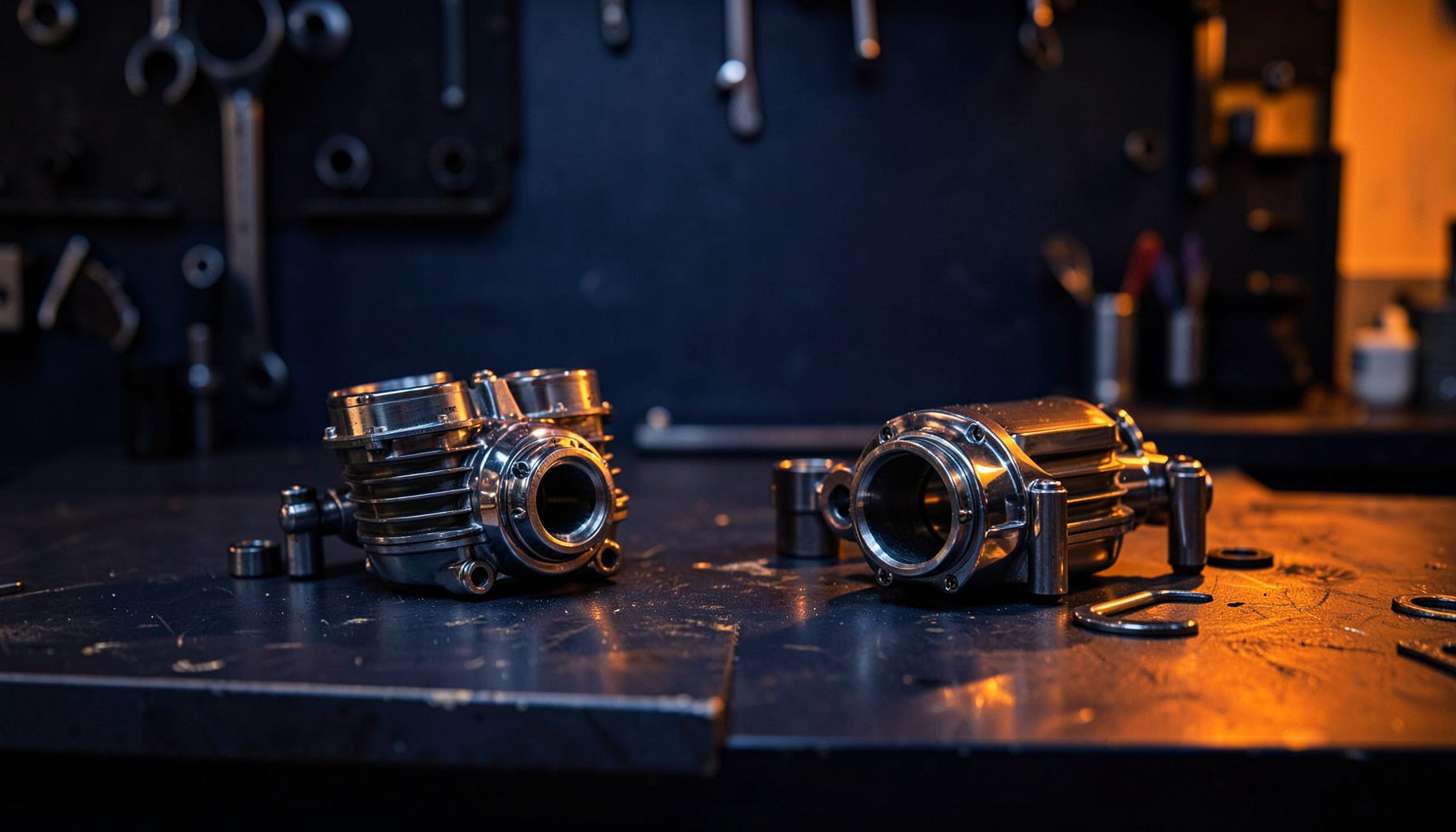
Motorcycle fuel systems: carburetors and fuel injection
Fuel-system faults are easy to misread because a motorcycle may hesitate, stumble or refuse to start for several reasons. A weak battery, dirty spark plug, blocked air filter or damaged ignition coil can imitate a carburettor or injection problem. Correct diagnosis saves money and prevents unnecessary replacement of components that are working as designed.
Carburettored motorcycles meter fuel mechanically, while fuel-injected models use sensors, an electronic control unit and injectors to calculate the mixture. Older carburettor bikes remain popular for their simplicity and repairability, but they are sensitive to fuel condition, temperature and altitude. Electronic fuel injection usually offers cleaner running and better cold starts, provided its electrical and pressure systems remain healthy.
Australian fuel conditions deserve particular attention. Regular unleaded commonly contains E10, while 95 or 98 octane fuel is also available in many metropolitan areas, including Sydney, Melbourne and Brisbane. Riders should follow the fuel grade and ethanol limits specified in the owner’s manual, since a higher compression engine designed for 95 octane may knock, overheat or lose power when given the wrong fuel.
Understanding the basic components is only the first step. A systematic inspection can identify whether the fault originates from the fuel supply, mixture control, air intake or ignition. Pattern Parts stocks filters, pumps, injectors, carburettor components, electrical parts and engine items for numerous motorcycle brands, giving riders access to OEM-equivalent replacements and suitable aftermarket alternatives. Australian buyers should also allow for GST, customs clearance and international freight when sourcing parts directly from the UK.
How carburetors and fuel injection work differently
A carburettor uses airflow to draw fuel through calibrated passages. Jets control the amount entering the engine, while the float valve maintains the correct fuel level in the chamber. A blocked pilot jet, incorrect main jet, faulty float or leaking needle can produce a rich running condition, lean hesitation, flooding or power loss. Choke controls and enrichment circuits also help the engine start from cold.
Fuel-injected motorcycles measure factors such as engine temperature, crank position, throttle position and airflow. Where fitted, oxygen-sensor feedback allows the electronic control unit to adjust the mixture continuously. The fuel pump supplies pressure, the regulator controls it, and the injectors spray the required quantity into the intake or combustion chamber.
Both systems depend on clean air and fuel, although electronic management can compensate for some changes in altitude and temperature better than a fixed-jet carburettor. Neither is immune to failure. Injectors can leak, pumps can weaken, pressure regulators can stick, sensors can drift and carburettor passages can become contaminated with varnish or debris.
Recognise symptoms before replacing parts
Carburettor symptoms often include a hesitant idle, difficult cold starting, flooding, uneven acceleration or a fuel smell from the exhaust. A bike may run well until the engine warms up, then surge or stumble. Black smoke usually indicates an overly rich mixture, while a weak or wandering idle may point to an incorrect jet, needle setting, ignition timing or airflow restriction.
Fuel-injected models may show warning lights, stored trouble codes, hard starting, limp mode, misfires or a sudden loss of power. Codes provide useful clues, but they identify a circuit or sensor problem rather than always revealing the failed component. Low fuel pressure can resemble a blocked filter, while an injector that remains open may create a rich, fuellogged engine.
Traffic in Sydney or Melbourne can make intermittent faults appear more frequent because the engine repeatedly idles and operates at low speed. Hills around Melbourne, Brisbane and Adelaide add load and reveal mixture or ignition weaknesses that remain hidden on a flat route. Before blaming the fuel system, check the plugs, coils, air filter, throttle operation and battery voltage.
Diagnose fuel faults in a logical order
Begin with the basics: confirm the fuel level, inspect the tank cap and vent, examine the fuel lines and connections, and check whether the battery holds sufficient charge. A worn ignition switch can disable the fuel pump on some models. Air leaks around the intake or carburettor throat can also pull in unfiltered air and produce a dangerously lean mixture.
For a carburettor, remove and inspect the jets rather than cleaning them blindly. Check float height, needle and needle jet operation, and look for varnish, rust or water in the float bowl. Replacement gaskets and a rebuild kit may be appropriate after the original parts have been cleaned and measured. Adjustments should follow the manufacturer’s service specifications.
On an injected motorcycle, use diagnostic codes and live data where available. Test fuel pressure, inspect the pump pickup filter, verify regulator operation and check injectors for leakage or poor spray. Electrical connectors and sensor signals should also be checked. Generic cleaning products can damage injector seals or precision components, so use only products approved for the relevant fuel-injection system.
Prevent fuel problems from returning
Use fuel within its recommended storage period, especially on bikes that stand unused during winter or wet weather. Water can enter tanks during heavy coastal rain, flooding or poor sealing, while condensation and old fuel accelerate corrosion inside carburettors. Periodic inspection, appropriate stabilisers for the fuel type and a clean, sealed tank reduce recurring faults.
Long-distance riding in northern Queensland or remote parts of Western Australia makes reliable fuel delivery and preparedness essential. Carry a usable phone, basic tools, a compact puncture-repair kit and an approved reserve of fuel where services are widely spaced. A dependable warning device adds safety when a motorcycle has to be stopped beside a road. Pattern Parts’ motorcycle horn upgrade guide explains the practical considerations involved.
Choose the right components and act
Part compatibility should be based on the exact motorcycle model, year, engine code and carburettor or injection system. An OEM-equivalent pump, sensor, filter or regulator may suit an original system better than a generic component. Major modifications can change fuel requirements; big bore kits, open-air filters and aftermarket exhausts often need revised jetting, fuel-pressure settings or electronic recalibration.
Model-specific references from established suppliers are useful when checking dimensions and fittings. The Joker Racing products catalogue provides another point of comparison for relevant motorcycle parts. Local motorcycle dealers and specialist workshops across Australia can also assist with diagnosis before a costly component is ordered.
Record the symptoms, operating conditions and recent maintenance before contacting a supplier. Include clear photographs, fuel-pressure readings or diagnostic codes when available, and ask for guidance based on the motorcycle’s exact specification. Check the Pattern Parts range, identify the likely fault and order the correct replacement with confidence.